.jpg)
Homestays in Nepal prove that protecting nature and making money do not have to be opposites. By using existing homes, local food, and community-managed forests, homestays create far less carbon pollution than hotels while giving families real financial reasons to protect wildlife, water, and forest
Most businesses make you choose: make money or protect nature. Factories pollute rivers. Big farms destroy soil. Hotels use tons of energy. Usually, countries grow first and clean up later, or stay poor to keep nature safe.
Homestays in Nepal are different. The environment isn't something to fight against. It's what you're selling. When a family's income depends on clean forests and beautiful mountains, protecting nature becomes good business, not a sacrifice.
This explains why homestays work where other conservation programs fail. It also shows why choosing a homestay over a hotel is one of the best environmental choices travelers can make.
How Homestays Actually Protect the Environment
The environmental advantage of homestays in Nepal isn't about being nice or using eco-friendly labels. It's built into how the business works. When nature is your product, you protect it.
When families run homestays, protecting the environment makes financial sense:
Forests stay standing because tourists come for beautiful landscapes, not cut-down hillsides, which means every tree is worth more alive than dead.
Water stays clean because guests notice dirty streams right away, and communities need clean water to keep tourists coming back.
Wildlife gets protected because villages with red pandas or rare birds attract visitors who pay good money, while killing animals destroys years of future income.
Traditional farms stay diverse because terraced fields and local crops are part of what tourists pay to see and experience.
Trash gets cleaned up because clean villages attract guests while dirty ones send them to competitor villages down the valley.
This is as simple as it gets. The market pays families to protect nature because nature is what tourists want to see.
Carbon Footprint: Hotels vs Homestays
Different types of accommodation create very different amounts of carbon pollution. These numbers come from real measurements of energy use and transportation.
Homestays create 6 to 10 times less pollution per guest than hotels for simple reasons:
Traditional village homes don't need air conditioning because thick walls and mountain air keep them cool naturally, cutting out the biggest energy user in hotels.
There are no elevators, heated pools, or gyms that suck up electricity constantly just to meet guest expectations.
Food comes from gardens and village markets within walking distance, not from trucks that burn diesel hauling ingredients from Kathmandu.
The building already exists as a family home, so there's no pollution from making cement, steel, and other construction materials.
Guests share family spaces instead of needing separate rooms and facilities that require energy to light and heat all day.
Many villages can only be reached by walking, which means zero vehicle pollution from getting to your accommodation.
If one million tourist nights shifted from hotels to homestays every year, Nepal would save about 21,000 tonnes of CO₂. That's the same as taking 4,500 cars off the road forever.
The Annapurna Model: When Tourism Pays for Conservation
The Annapurna Conservation Area covers 7,629 square kilometers and shows what happens when protecting nature and making money work together. This isn't a small project but one of the world's most successful conservation programs run by communities.
Every rupee tourists pay in entry fees goes back into conservation and helping local people. Not half. Not most. Every single rupee. Communities with homestays see that protecting forests brings trekkers who pay for rooms. Clean trails bring visitors back and get recommended to friends. Seeing wildlife creates free marketing that beats any advertisement.
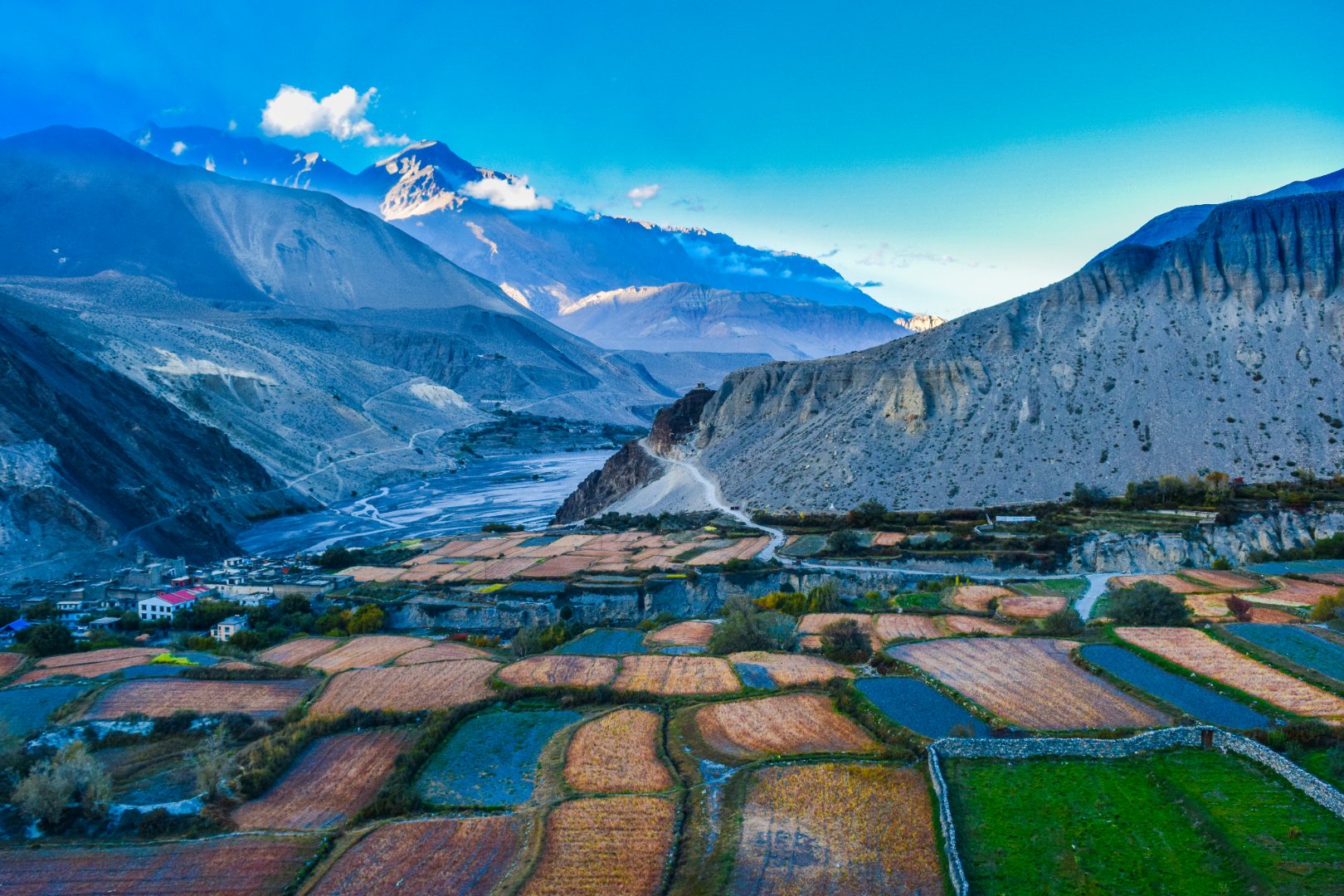
The money logic becomes obvious. Forest cover has stopped declining and even increased in some areas. Wildlife populations are recovering. Local communities make more money than before conservation started, proving you don't need poverty to protect nature.
This works through homestays because every family with tourism income wants to protect what brings them money.
How Homestay Income Saves Red Pandas
Red Panda Network works in eastern Nepal's forests where maybe 1,000 of the world's fewer than 10,000 red pandas still live. Their approach shows how homestay money saves endangered animals better than just protection rules.

The Forest Guardian program pays local people, including former poachers, to watch red panda populations and protect forests. But watching alone doesn't create money communities need. Tourism provides that money. Travelers who visit Ilam or Panchthar, stay in village homestays, hire local guides, and pay for red panda tours create the money reason to protect forests instead of cutting them.
A family making $1,000 per year from homestay guests who want to see red pandas has $1,000 worth of reasons to keep red pandas alive and forests standing. Multiply that by hundreds of families, and you've got hundreds of people who profit from conservation. When killing a red panda means losing years of income, the choice becomes obvious.
Why Homestay Villages Have More Trees
Nepal's community forest program is one of the world's best conservation successes. Over 850,000 hectares are now managed by 11,000 local forest groups. Tree cutting has dropped dramatically. Homestay villages have the lowest tree cutting rates of all.
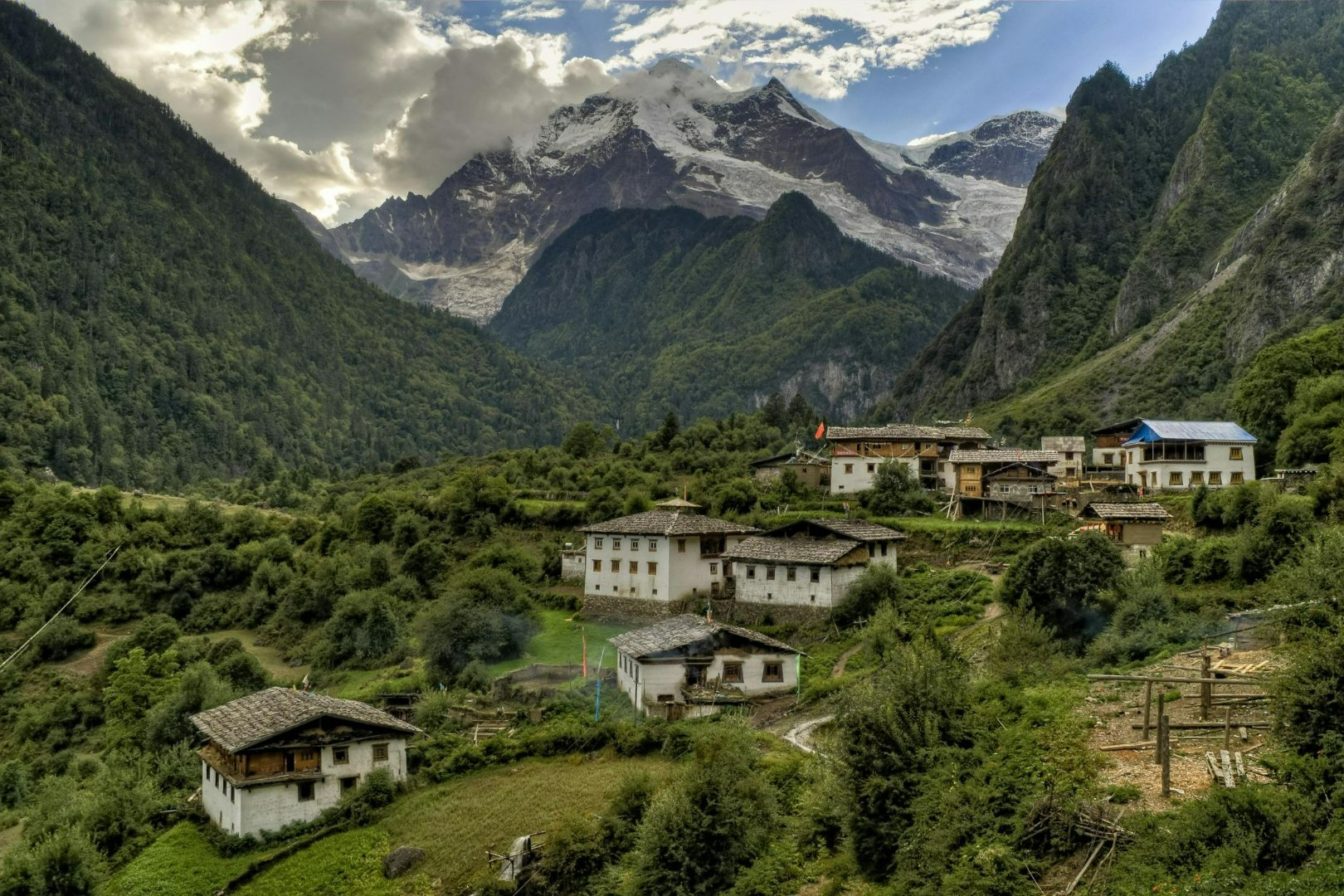
The reasons are pure economics. Trees become money-makers where forested hillsides attract guests, while bare slopes send them away. Tourism income lets families buy cooking gas instead of cutting trees for firewood. Conservation becomes everyone's strategy because everyone's income depends on it. Long-term thinking wins because tourism income comes year after year, while cutting trees gives you quick cash then nothing.
The government created the rules for community forests. Homestay tourism gave families the money to actually protect trees instead of cutting them.
The Waste Crisis and How Villages Solve It
Everest has a famous garbage problem. Decades of climbing expeditions left behind oxygen bottles, tents, human waste, and plastic that will last centuries. But homestay communities are fixing this through competition for tourist business.
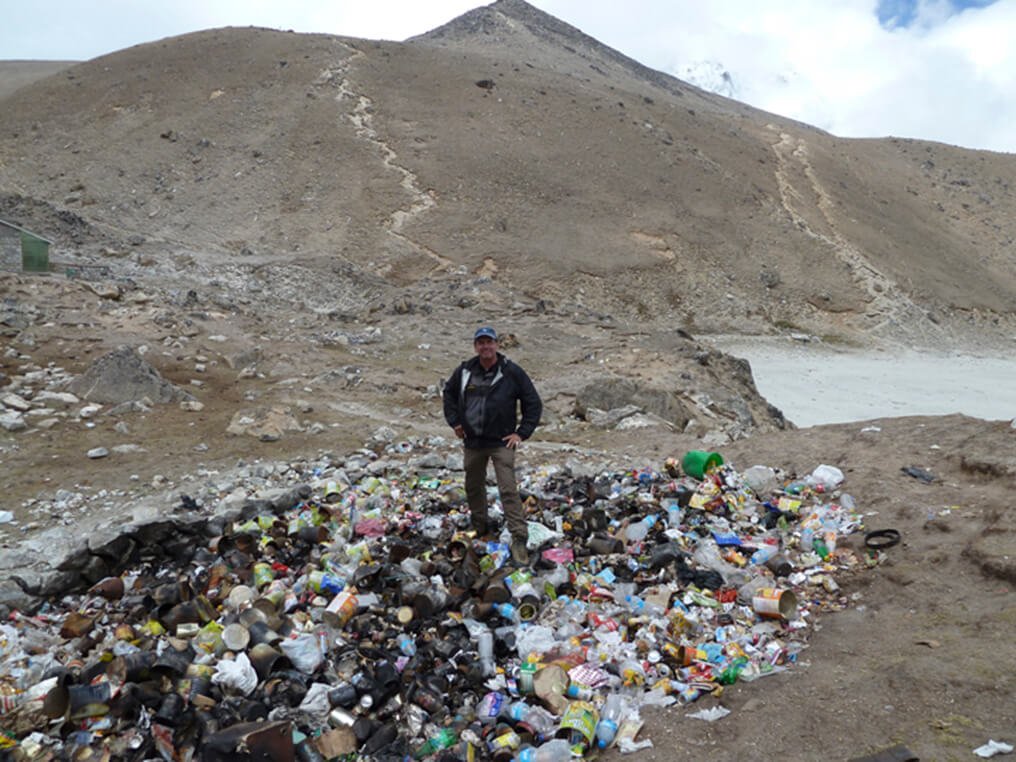
Villages competing for tourists have strong money reasons to stay clean. A dirty reputation sends guests to cleaner villages. A clean reputation attracts visitors willing to pay more. Smart homestay communities now run serious waste programs:
Organic waste from kitchens becomes garden fertilizer instead of trash, creating a loop where waste feeds gardens that feed guests.
Single-use plastics get banned because they wreck village reputations and stay in the environment forever, with many villages now refusing to sell plastic water bottles.
Refillable water bottle systems give trekkers bottles while villages provide safe water stations, cutting out thousands of plastic bottles every year.
Regular cleanup days keep trails and public areas clean through volunteer work that everyone sees as business investment, not charity.
Carry-out rules make trekkers take their trash with them, putting responsibility on the people who create the waste.
This works better than government rules because clean villages make more money. Nobody needs to enforce rules when following them increases income.
Carbon-Negative Tourism Is Possible
What if Nepal became the world's first tourism destination that removes more carbon than it creates? This isn't fantasy. It's a realistic path through homestay upgrades.
Better cookstoves cut fuel use by half while reducing smoke that hurts host families' health. Solar lights eliminate kerosene lamps and fire risks. Rain collection reduces pressure on water sources. Solar hot water eliminates burning wood for showers, one of the biggest fuel uses in mountain homes.
Biogas systems turn animal waste into cooking fuel and garden fertilizer. Composting toilets save water and create soil nutrients. Tree planting around homestays captures carbon while growing fruit. With 10,000 upgraded homestays, Nepal could capture over 13,300 tonnes of carbon per year and show the world how sustainable mountain tourism actually works.
Wildlife Tourism That Protects Animals
Nepal's wildlife brings serious tourism money. Tigers in Chitwan, rhinos in Bardia, snow leopards in mountains, red pandas in eastern forests all attract visitors. But wildlife tourism can either hurt animals or help them.
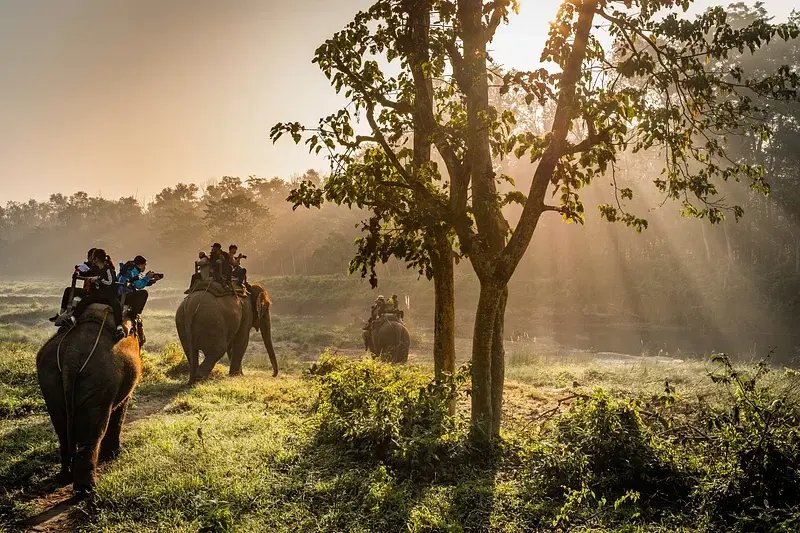
Homestay wildlife tourism helps for clear reasons:
Local families earn money directly from wildlife, creating hundreds of people who watch for poachers and report problems immediately.
Guests spread across many homestays instead of crowding into one lodge, reducing pressure on animal territories and giving wildlife space.
Village guides know where animals are from years of watching them, giving great experiences while keeping safe distances that don't stress wildlife.
Families with tourism income don't need to hunt for food or money, removing the economic pressure behind most poaching.
Homestay owners notice suspicious activity and report it because protecting wildlife protects their income stream.
WWF Nepal and Snow Leopard Conservancy use community approaches because they learned conservation fails without local economic benefit. Homestays deliver that benefit across entire regions.
Homestays Follow Leave No Trace Naturally
Leave No Trace means planning ahead, staying on trails, disposing waste properly, leaving things as you found them, minimizing fires, respecting wildlife, and being considerate. Homestays naturally follow these principles.
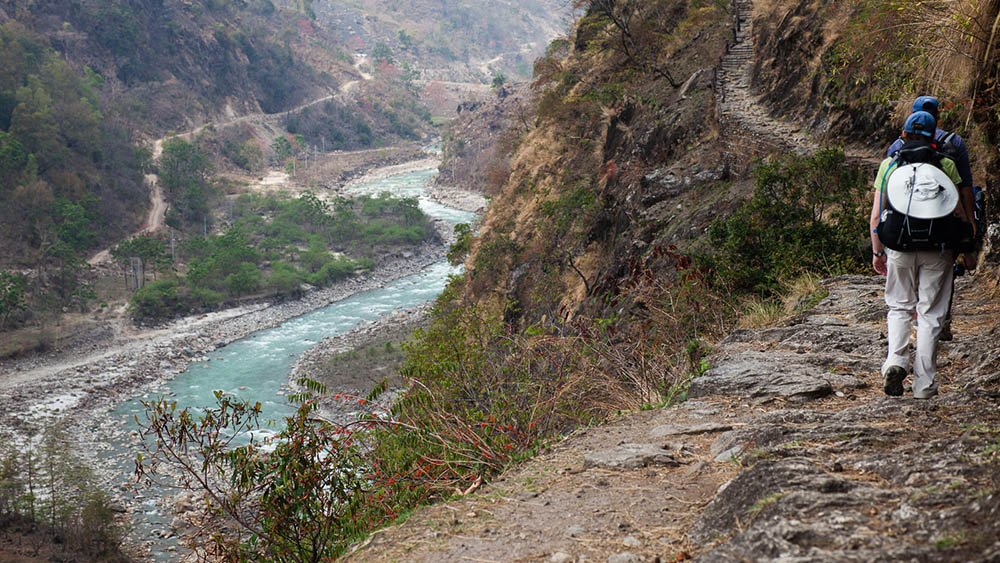
Homestay guests use existing trails to reach villages instead of making new paths that cause erosion. They sleep in existing homes instead of camping and damaging plants. They use village waste systems instead of leaving trash in nature. They experience living culture instead of taking artifacts.
Cooking happens in family kitchens instead of building fires that scar landscapes. Wildlife watching happens with guides who know safe distances. Guests join communities instead of demanding changes. Homestays make Leave No Trace automatic by using infrastructure that already exists.
Climate Change and Community Strength
Nepal faces serious climate threats. Glacial lakes could flood mountain communities. Monsoon patterns are changing. Landslides increase. Droughts affect water. Homestay communities can adapt better than others.
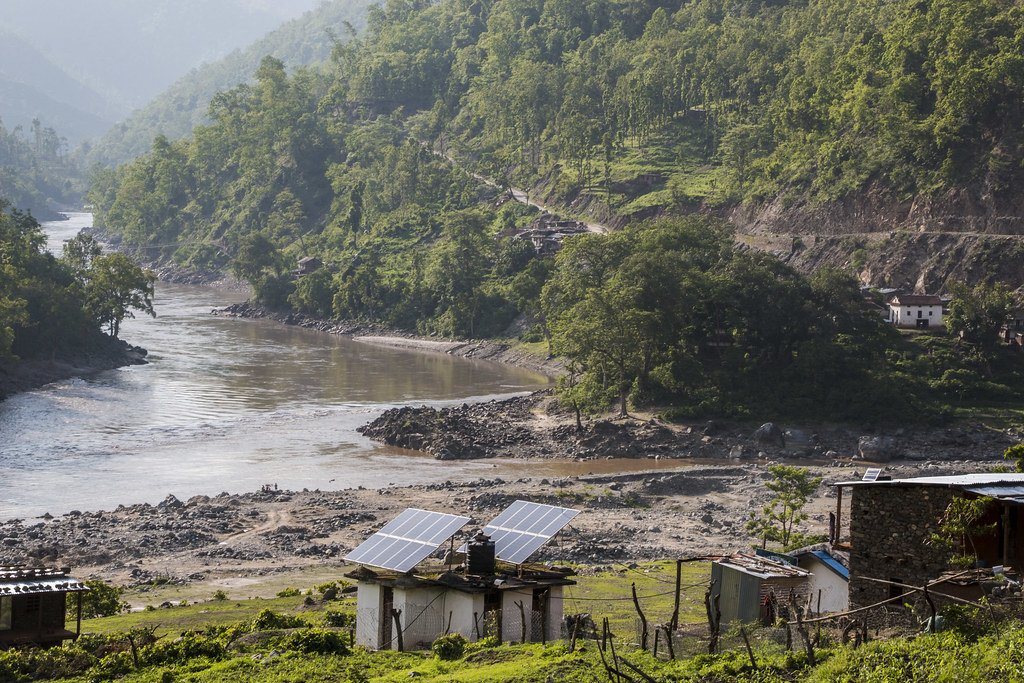
Tourism income creates savings for disaster recovery. Income diversity means not depending only on farming that fails when weather shifts. Families can invest in water systems, drought-resistant crops, and slope protection. Tourist connections bring early warnings and outside help. Forests kept for tourism also prevent landslides and protect water.
Communities with homestay income can prepare for climate problems. Communities without homestays can only react after disasters strike.
What Bad Tourism Looks Like
Not all tourism helps the environment. Bad tourism destroys faster than many other developments. Understanding what doesn't work shows why homestays succeed.
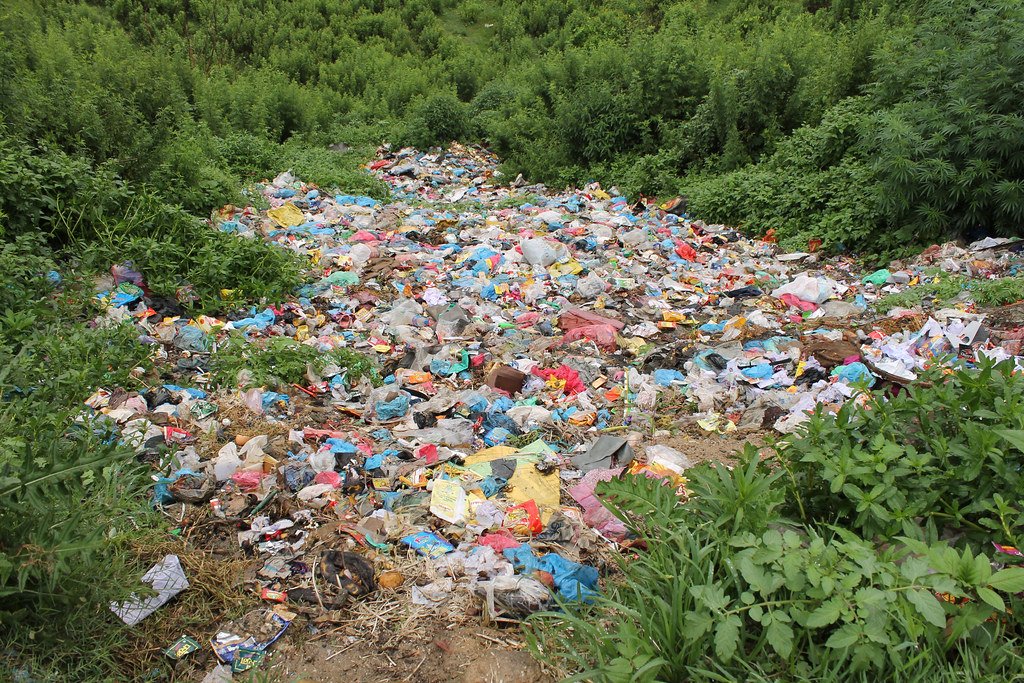
Resort building clears land, imports materials, and creates waste villages can't handle. Mass tourism overwhelms everything, ruins what tourists came to see, and drives away quality visitors. Tourism where money goes to cities and abroad leaves communities with pollution but no benefits. Tourists who never talk with locals have no reason to protect what they see.
Homestays aren't automatically perfect. But their basic structure including existing buildings, local food, community management, and direct benefits creates conditions where protecting nature and making money work together instead of fighting.
Every Booking Affects the Environment
Tourism usually makes you choose between growth and environmental protection. Build resorts or keep forests. Get more visitors or maintain quality. Make money or reduce pollution. This choice seems unavoidable.
Homestays in Nepal prove it's a false choice. The environment is what guests pay for. Conservation is the business plan. Sustainability isn't a limit but the advantage that makes homestays special.
When families depend on clean forests, pure water, wildlife, and beautiful landscapes for income, they protect nature because it's how they make money. Multiply this by thousands of families across Nepal, and you've built the strongest environmental protection possible, where protecting nature is literally how people earn their living.
Every hotel or homestay booking is an environmental choice about carbon, ecosystems, and community incentives. Hotels need high energy, create lots of waste, and concentrate pollution. Homestays use existing homes, source food locally, and spread conservation incentives.
The choice isn't between comfort and doing good. It's between supporting destruction or protection with your travel money. Homestays prove you can have real experiences, help communities, and protect Nepal's environment all at once.
Book Homestays, Protect Nepal
When you book homestays in Nepal through Nepal Homestays, you make an environmental choice that matters. Your accommodation decision affects carbon pollution, wildlife protection, forest conservation, and community ability to handle climate change.
Our platform connects you with homestays across Nepal's ecosystems, from mountain villages in conservation areas to forest communities protecting endangered animals. Every booking creates money reasons for environmental protection. Every night in a homestay produces 90% less carbon than hotels. Every dollar to homestay families strengthens conservation over destruction.
Browse our eco-friendly homestays, read about host families' environmental work, and book knowing your choice supports Nepal's environmental future.
Frequently Asked Questions
How much carbon do homestays actually save compared to hotels?
Homestays in Nepal produce 2 to 5 kg of CO₂ per guest night compared to 30 to 50 kg for big hotels. This 6 to 10 times difference comes from no air conditioning, existing buildings, local food, and shared spaces. If one million nights shifted from hotels to homestays yearly, Nepal would save about 21,000 tonnes of CO₂, equal to removing 4,500 cars permanently.
Do homestays really help protect wildlife in Nepal?
Yes, through direct money incentives. Families earning income from tourists interested in red pandas, birds, or other wildlife have financial reasons to protect instead of hunt. A homestay family can earn $1,000 yearly from wildlife tourists, making conservation profitable and hunting costly. Conservation groups build programs around this because it works better than rules alone.
What happens to waste in homestay villages?
Homestay communities run waste programs because cleanliness attracts tourists while garbage drives them away. Villages compost organic waste, ban single-use plastics, provide refillable water systems, and organize cleanup days. Competition for tourists creates incentive for environmental management that government rules struggle to achieve.
Are homestays comfortable enough for Western travelers?
Most homestays offer clean private rooms, comfortable beds, and Western bathrooms while having lower environmental impact than hotels. You trade amenities like air conditioning for authentic experiences, home-cooked meals, and knowing your stay supports conservation. Many travelers say homestays feel more comfortable because of the personal care.
How do homestays help communities handle climate change?
Tourism income creates savings for disaster recovery, enables investments in water systems and drought-resistant crops, and supports forests that prevent landslides. Communities with homestay income can prepare for climate risks while those without can only react after disasters.
Which conservation groups does Nepal Homestays support?
Nepal Homestays supports the National Trust for Nature Conservation, Red Panda Network, Annapurna Conservation Area Project, Sagarmatha Pollution Control Committee, Kathmandu Environmental Education Project, and Leave No Trace principles. We prioritize homestays in conservation areas.
Can homestays really achieve carbon-negative tourism?
Yes, through upgrades. Advanced eco-homestays with solar systems, biogas, and better stoves approach carbon-neutral. Adding tree planting makes them carbon-negative, removing more CO₂ than they produce. With 10,000 upgraded homestays, Nepal could demonstrate carbon-negative tourism at scale.
Company Admin
Travel writer sharing authentic stories and experiences from Nepal's beautiful homestays.