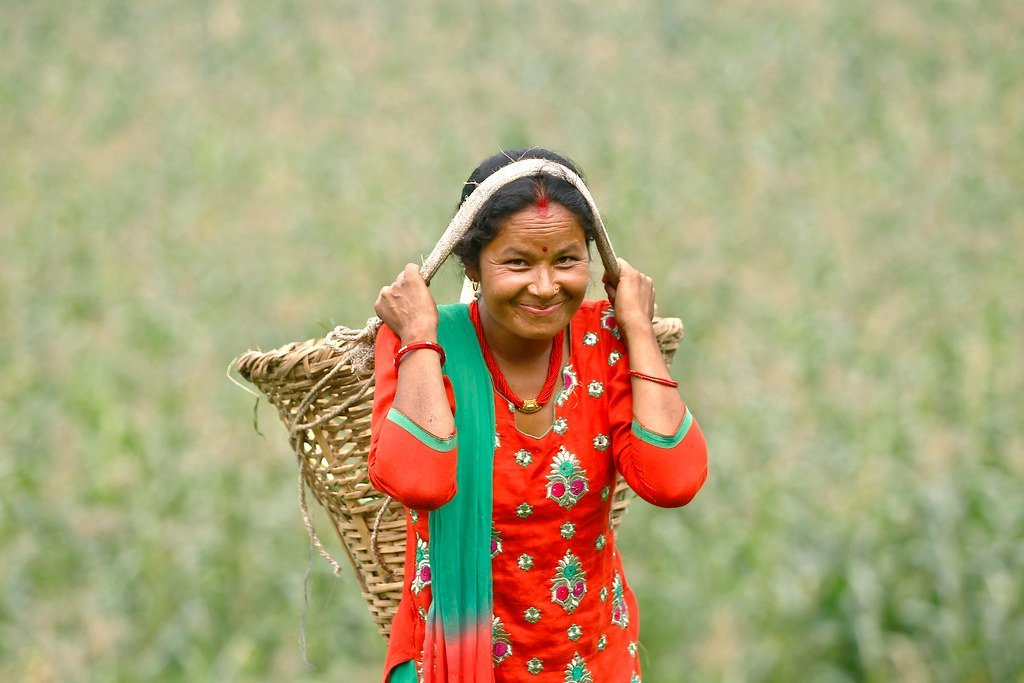
In a village near Ghanpokhari, Nanda, owner of Nanda Homestays, wakes at 5 AM to prepare breakfast for her family and three guests staying in her home. By 9 AM, she has earned 2,000 rupees, money that goes into a savings account she controls. Ten years ago, she worked just as hard, but that work earned nothing and gave her no say in household decisions.
This is what women-led homestays are changing across rural Nepal: not the amount of work women do, but whether that work counts as economic contribution. The shift is quiet and slow, but it is reshaping how rural families survive, how villages keep young people from migrating to cities, and how women gain influence in their own homes.
What Makes a Homestay Women-Led
A women-led homestay means a woman runs the operation. She welcomes guests, cooks meals, manages the rooms, handles bookings, and controls most or all of the income. In traditional family structures where men typically manage money, this represents a significant change.
These homestays look like regular village homes because they are. The difference is not in facilities but in who makes decisions and where the money goes. Most women-led homestays operate in rural areas as part of community tourism networks, hosting small numbers of travelers rather than running high-volume businesses.

Picture: Raspatiya Tharu, who started a homestay revolution in her village. She is the leader of Baghauda Community Homestays and runs 5 homestays under her management.
The Real Economic Impact
The change happens through simple math. When a woman hosts guests, she earns between 1,500 to 3,000 rupees per guest per night, including meals. In a good month with steady bookings, that adds 20,000 to 40,000 rupees to household income. In rural areas where cash is scarce and farming provides food but little money, this matters.
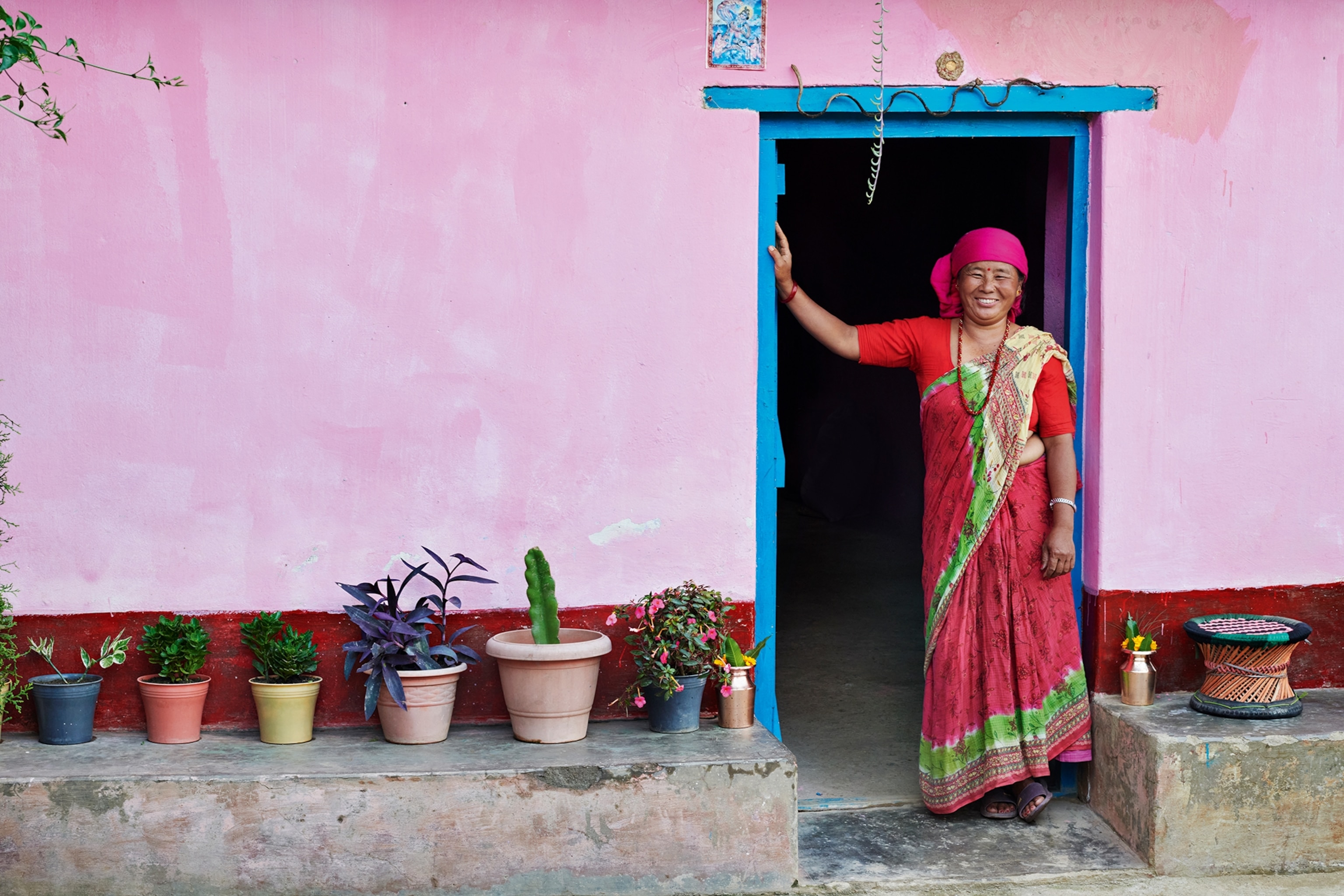
But the bigger change is not the amount. It is that the money comes from work she was already doing.
Cooking, cleaning, managing the household, these tasks happened before tourists arrived. Homestays did not create new labor. They created payment for existing labor. When payment appears, recognition follows. Work that was invisible becomes visible. Contribution that was assumed becomes valued.
This visibility changes household dynamics. Women gain voice in decisions about spending, saving, and investing because they bring in measurable income. The shift is gradual, but it is real.
Where the Money Actually Goes
Tourism money in large hotels often leaves the area. It pays corporate owners, supplies come from cities, profits go to investors. The local economy sees some jobs but limited overall benefit.
Women-led homestays work differently. Nearly all money stays local.
Food comes from village markets or family farms. Labor is household-based. Earnings get spent locally on school fees, medical care, home repairs, and daily necessities. Some women save for emergencies or small business investments.
Here is what that looks like in practice:
This local spending creates a ripple effect. The shopkeeper, the school, the health clinic, all benefit when homestay income circulates within the village rather than flowing out.
Reducing Migration Pressure
In many Nepali villages, men leave for months or years to work in Gulf countries, Malaysia, or Indian cities. The money they send back supports families but creates long separations. Women left behind manage farms, raise children, and handle all household decisions alone while waiting for remittances that may arrive late or not at all.
Homestays do not eliminate migration, but they reduce its urgency. When a household has steady income from hosting, families depend less on risky foreign employment. Men can stay home more, and families stay intact.
In Sirubari, one of Nepal's first homestay villages, several families report that men who once worked abroad now help run homestay operations locally. The income is lower than Gulf wages, but it is stable, safe, and keeps families together.
Skills Women Gain Without Leaving Home
Running a homestay builds practical skills through daily experience. Women learn to communicate with foreigners despite language barriers. They manage small budgets, track expenses, and plan for seasonal income changes. Hygiene and hospitality standards improve naturally when guests provide feedback.
These skills develop at home, at a manageable pace, without requiring women to travel to cities for training or leave their families. A woman in a remote village learns business management by doing business, not by attending workshops she cannot reach.
Over time, confidence grows. Women who rarely spoke to outsiders begin hosting guests from around the world. They negotiate prices, explain local culture, and make business decisions independently. This confidence extends beyond tourism into other areas of village life.
The Comparison That Matters
The table below shows why women-led homestays create different economic outcomes than conventional tourism:
Small scale means limited individual earnings, but broad community benefit. When 20 families in a village run homestays, tourism income spreads to 20 households instead of one hotel owner.
Social Changes Beyond Money
The economic impact is clear, but social changes run deeper. Hosting guests breaks isolation. Women who rarely left their villages suddenly host visitors from other continents. Conversations happen over meals, during cooking, while doing everyday tasks.
This interaction builds social confidence. Women become comfortable speaking their minds, sharing opinions, and making decisions publicly. They gain respect from family and community members who see them managing a business successfully.
For travelers, the benefit goes both ways. They see rural Nepali life as it actually exists, not through a tour bus window. They understand the work that goes into daily survival, the strength of community bonds, and the intelligence required to manage limited resources.
This mutual respect matters. It creates understanding that guidebooks and hotels cannot provide.
Real Challenges That Exist
Women-led homestays face real challenges. Initial investments for better facilities require funds most families lack, and banks rarely lend to women without land collateral. Workload remains heavy, and not all families share responsibilities equally, leading to burden during peak seasons.
Income fluctuates dramatically with tourism seasons. Monsoon months and political instability reduce visitors, requiring backup income sources. Language barriers challenge older women, though younger family members often help translate.
These challenges require ongoing support through community networks and fair tourism practices. Homestays help rural women gain economic ground, but they are not a complete solution to poverty or gender inequality.
What This Means for Rural Development
Women-led homestays offer something rare in development work: a model that grows from existing practices rather than imposing new systems. They do not require large investments, foreign expertise, or dramatic social changes. They take what women already do and make it economically visible.
This approach fits naturally within Nepal's community-based tourism framework. Villages control how tourism develops. Families decide whether to participate. Income stays local, and cultural practices continue without commodification.
The results accumulate slowly. One family starts hosting, then neighbors follow. Income grows gradually but steadily. Children attend school longer. Health improves. Migration decreases slightly. Women gain influence in local decisions.
None of this happens overnight, but it builds a foundation that lasts.
How Travelers Support This Model
When you stay in a women-led homestay, your money goes directly to the woman hosting you. You are not supporting a distant company or funding an investor's profit. You are paying for her work, in her home, under terms she controls.

This creates tourism that benefits communities directly. It gives travelers authentic experiences while supporting livelihoods in a transparent way. You see exactly where your money goes because you hand it to the person whose work you are paying for.
Choosing women-led homestays signals what kind of tourism you value: small-scale, community-controlled, economically fair. The more travelers make this choice, the more families can rely on homestay income as a stable livelihood.
Looking Forward
Women-led homestays will not transform Nepal's rural economy overnight. They will not solve all problems facing women in patriarchal societies. They will not make everyone wealthy.
What they do is provide steady income, increase women's economic participation, reduce migration pressure, and keep tourism benefits local. They create gradual, stable improvement rather than dramatic but unsustainable growth.
If you want to stay in a women-led homestay, Nepal Homestays connects travelers with vetted families across rural Nepal. Look for homestays certified by community tourism programs or listed by local women's cooperatives. Avoid intermediaries who take large commissions that reduce income reaching the women actually hosting.
Frequently Asked Questions
How much do women actually earn from homestays in Nepal?
Income varies significantly by location and season. In established villages like Sirubari or Ghalegaun, women earn 1,500-3,000 rupees per guest per night including meals. During peak seasons (October-November, March-April), a homestay hosting 3-4 guests regularly can generate 20,000-40,000 rupees monthly. Off-season income drops considerably. Most women treat homestay income as supplementary rather than sole household earnings.
Do husbands and male family members support women-led homestays?
Support varies by family and community. In established homestay villages, men generally support the model because it benefits the whole household. In newer programs, some men resist women controlling income or interacting with foreign guests. Community training and peer influence from successful homestay families help reduce resistance over time. The economic benefits usually convince skeptical family members.
Can staying in women-led homestays actually help rural women, or is it just tourism marketing?
The impact is real but gradual. Multiple studies of Nepal's community homestay programs show measurable improvements in women's economic decision-making, educational investments in daughters, and reduced migration when homestay income stabilizes. However, outcomes depend on genuine women's control of income, not just marketing claims. Book through verified community networks that ensure women actually manage operations and finances.
Are women-led homestays safe and comfortable for solo travelers?
Women-led homestays in established community programs are generally very safe. The family environment provides natural security, and many programs have safety standards. Facilities are simple but clean, with basic beds, shared or attached bathrooms, and home-cooked meals. Comfort is basic compared to hotels, but hospitality is strong. Solo female travelers often report feeling safer in homestays than guesthouses because of the family presence.
How can I find legitimate women-led homestays in Nepal?
Book through verified tourism networks rather than random online listings. Programs like Sirubari Homestay, Ghalegaun Homestay, and Astam Community Homestay have established women-led operations. Nepal Homestays and similar organizations connect travelers with vetted families. Look for homestays certified by community tourism programs or listed by local women's cooperatives. Avoid intermediaries who take large commissions that reduce income reaching the women actually hosting.
Company Admin
Travel writer sharing authentic stories and experiences from Nepal's beautiful homestays.