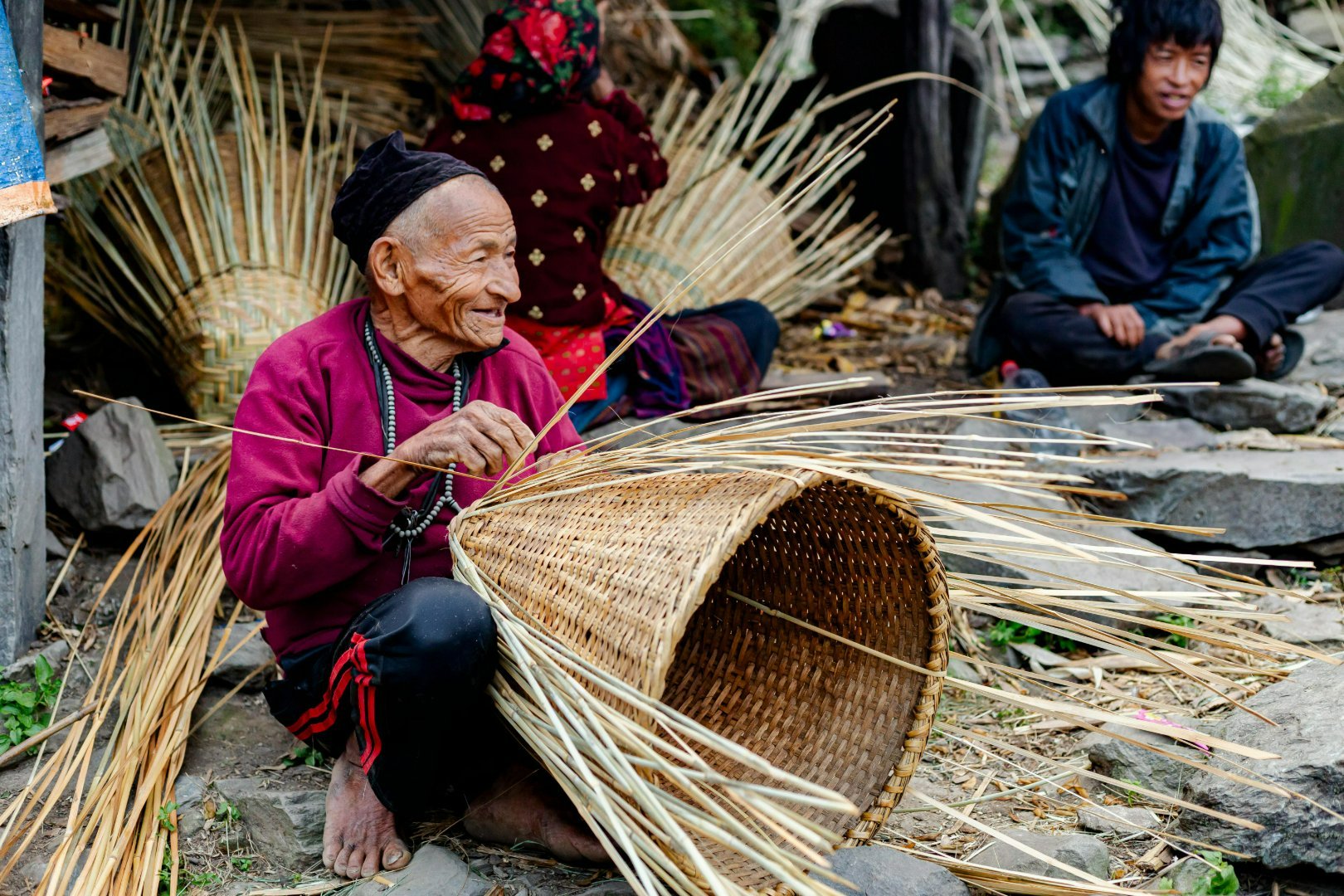
Homestay income in Nepal quietly supports family life by helping with daily expenses, education, and stability. This blog explores how small earnings from hosting guests create meaningful change inside rural households.
In many parts of Nepal, families depend on small and steady income sources. Farming, daily labor, and seasonal work often give just enough money to meet basic needs. Homestays have become an important way to help families within this reality. They do not replace traditional work, but they help families manage daily life with more stability and confidence.
Homestay income may look small from the outside, but within a household, it plays a big role. It supports education, reduces the need to leave home for work, strengthens family bonds, and allows people to continue living in their villages with dignity.
Income That Reaches Families Directly
One of the most important things about homestays in Nepal is that income reaches families directly. Unlike large hotels or tour companies where profits go through many business layers, homestays allow households to earn from hosting guests without anyone in between. This direct income creates immediate and real benefits for rural families.
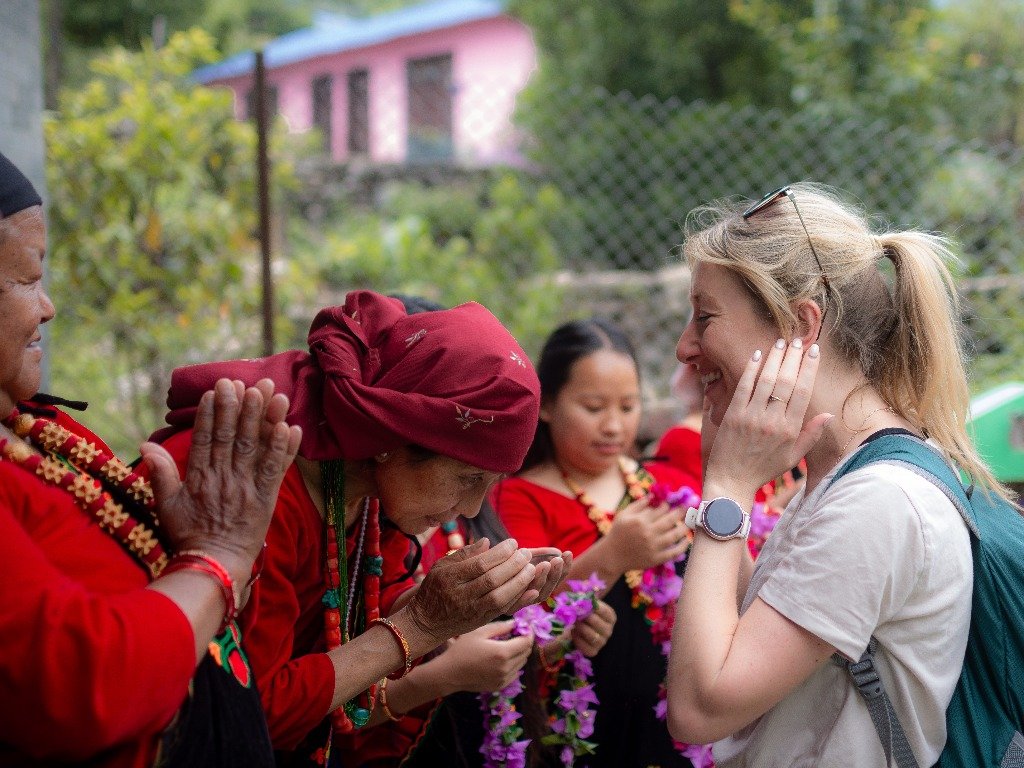
When travelers choose homestays in Nepal, the money goes directly where it helps:
Payment goes straight to the household, so families get the full benefit of their hospitality work.
Families decide how to use the money based on what they need most right now and in the future.
Benefits are immediate and easy to see within the household, creating a clear connection between hosting guests and better life quality.
For many visitors, these money realities stay hidden beneath the cultural exchange. This is often what travelers often miss when they skip homestays in Nepal, especially the quiet but real ways tourism supports everyday family life.
Supporting Daily Household Expenses
Daily life in rural Nepal involves many small expenses that add up over time. Even families who grow their own food need cash for important items and services. Homestay income gives families a reliable way to cover these regular costs without money stress.
Common Household Expenses Supported by Homestay Income
Homestay income is regularly used for daily needs:
Families buy food items they cannot grow at home, like rice in wheat-growing areas or special ingredients for different meals.
Families pay for electricity, water, or cooking gas to keep basic household services running.
Families manage small house repairs and maintenance to keep homes comfortable all year.
These costs may look simple, but they need steady cash. Having extra income from homestays helps families manage daily needs without constant money worry or going into debt.
Helping With Children's Education
Education is one of the biggest priorities for families across Nepal. It represents hope for better opportunities and a better future. School fees, uniforms, books, and transportation all need regular spending that can be hard for families with limited money. Homestay income often makes the big difference in keeping children in school.
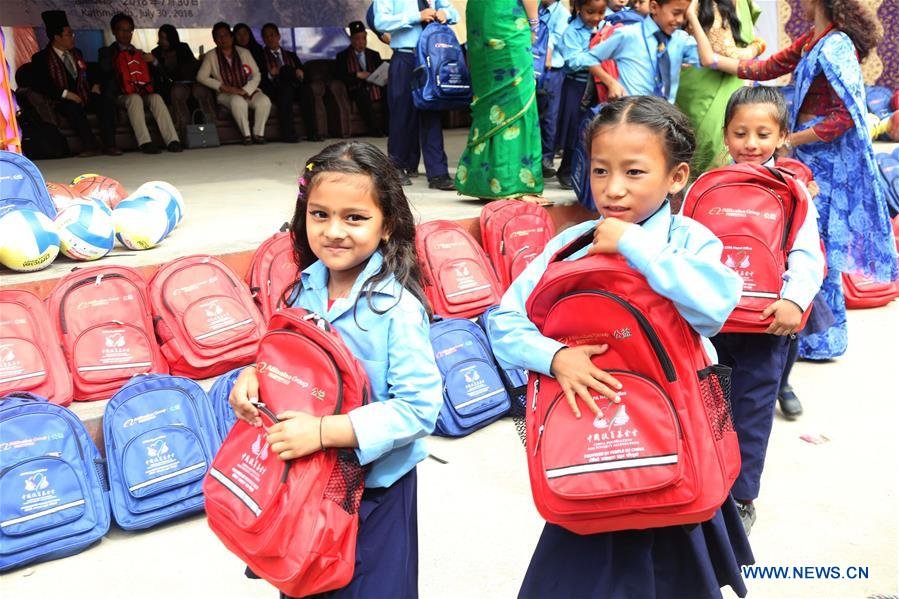
Homestay income helps families invest in their children's future:
Families pay school fees on time, avoiding late fees and making sure children stay enrolled.
Families buy uniforms and learning materials that are required but often too expensive.
Families support children continuing education beyond basic levels, making high school and sometimes college possible.
Education Costs Covered by Homestay Income
For some households, hosting guests can make the difference between a child staying in school or leaving early to work. This long-term impact on education and future opportunities is one of the most important ways homestays in Nepal support family life and break cycles of limited opportunity.
Reducing the Need for Migration
In many villages across Nepal, limited local income forces family members to leave home to find work in cities or foreign countries. This move creates deep emotional costs and breaks up family structures. Parents miss watching their children grow, children grow up without parental guidance, and elderly family members lack proper care and companionship.
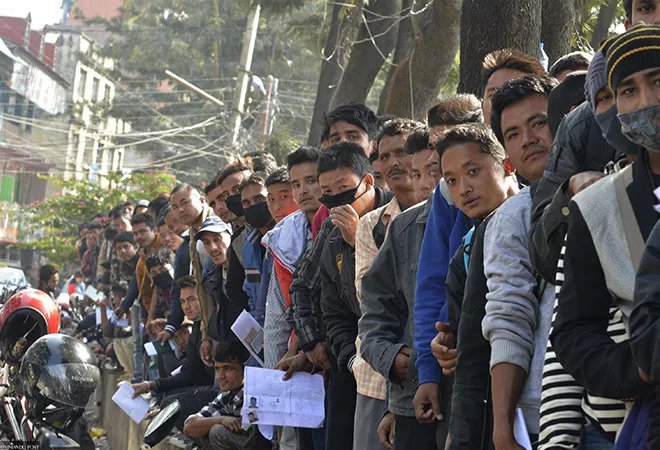
Homestays in Nepal help reduce this pressure by creating local income opportunities:
Homestays create income opportunities within the village, so families can earn without leaving their community.
Homestays allow families to stay together, keeping relationships and family structure strong across generations.
Homestays support work that fits local life, working alongside farming cycles and cultural practices.
When families can earn at home through hosting guests, children grow up with parents present to guide them, elders get better daily care and attention, and communities stay active and lively instead of emptying out. This social benefit is as valuable as the money earned.
Sharing Responsibility Within the Family
Homestays in Nepal are rarely run by one person alone. Instead, they usually involve the entire household working together. This teamwork strengthens family bonds and creates opportunities for each family member to help based on their skills and interests.
Different family members help with homestay work in different ways:
Mothers and daughters usually prepare meals using family recipes and traditional cooking methods that guests love.
Fathers and sons often host guests through conversation, share local knowledge, and handle physical tasks around the property.
Younger family members help with cleaning and keeping rooms tidy, learning hospitality skills through hands-on experience.
Extended family manages farming and food supply, making sure fresh ingredients are available for guest meals.
This shared effort brings families closer through working toward a common goal. Income is seen as something earned together rather than by one person, which creates a sense of shared responsibility, mutual pride, and joint accomplishment in giving quality hospitality.
Empowering Women in Everyday Life
In many homestays across Nepal, women play a central and often leading role. They manage hosting tasks, coordinate cooking for guests, and handle day-to-day household work that makes stays comfortable and welcoming. This visible work creates opportunities for women to gain recognition and influence within their families and communities.
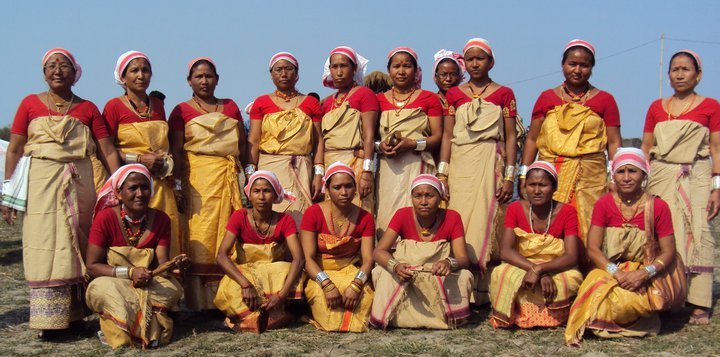
Homestay income often creates positive changes in women's household status:
Income increases women's involvement in money decisions, giving them a voice in how household money is spent and saved.
Earning strengthens confidence and independence as women see the direct value of their traditional skills in making income.
Hosting gives money value to skills already practiced at home, like cooking, cleaning, and hospitality, that were not paid before.
When women's work directly contributes to family income through homestays, household dynamics often become more balanced and respectful. Husbands and other family members see women's money contributions, leading to fairer decision-making and appreciation of home work.
Keeping Farming and Traditional Skills Alive
Homestays in Nepal usually work alongside farming rather than replacing it. Families continue to grow food, care for animals, and keep traditional skills that have been passed down through generations. This combination preserves cultural knowledge while giving extra income.
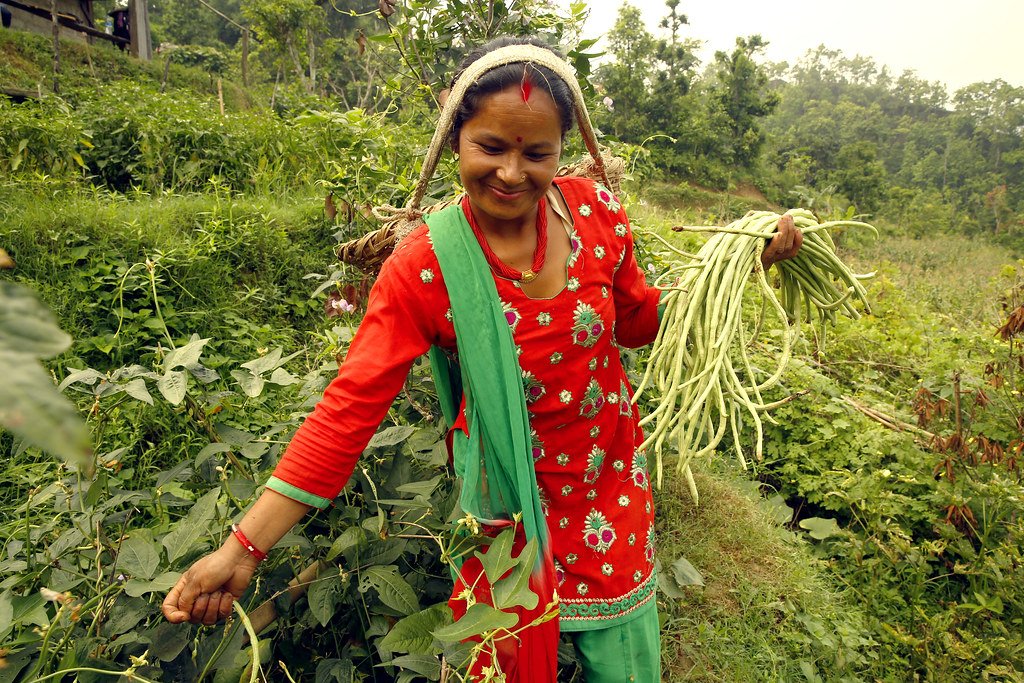
Income from hosting guests helps families keep their connection to the land:
Families continue farming without being forced to give up land due to money pressure from more profitable uses.
Families use local produce in daily meals served to guests, creating demand for traditional crops and farming methods.
Families pass down traditional cooking and farming knowledge to younger generations who might otherwise lose interest in agriculture.
This balance shows living with the land through farming-based homestays, where income supports tradition instead of replacing it. The homestay model shows that rural families don't need to choose between tradition and money security, they can honor both at the same time.
Improving Homes Without Changing Their Character
Many families use homestay income to improve their homes in simple, thoughtful ways that make things more comfortable without changing the basic character of traditional homes. These upgrades help both guests seeking real experiences and family members in their daily lives.
Common Home Improvements Funded by Homestay Income
Common improvements families make include practical upgrades:
Families repair roofs or floors to fix weather damage and improve safety for everyone.
Families improve bathrooms with better fixtures and cleanliness that serve both guests and household members.
Families add bedding or storage that makes hosting easier while helping the family all year.
These changes improve comfort for both guests and family members without turning homes into commercial spaces that lose their real character. The house stays a home first, with hospitality as part of it rather than the main purpose.
Creating Financial Confidence and Stability
Homestay income may not come every day like a regular salary, but it is often more reliable than seasonal farm work or uncertain daily wage jobs. This relative stability creates mental benefits beyond the actual cash earned.
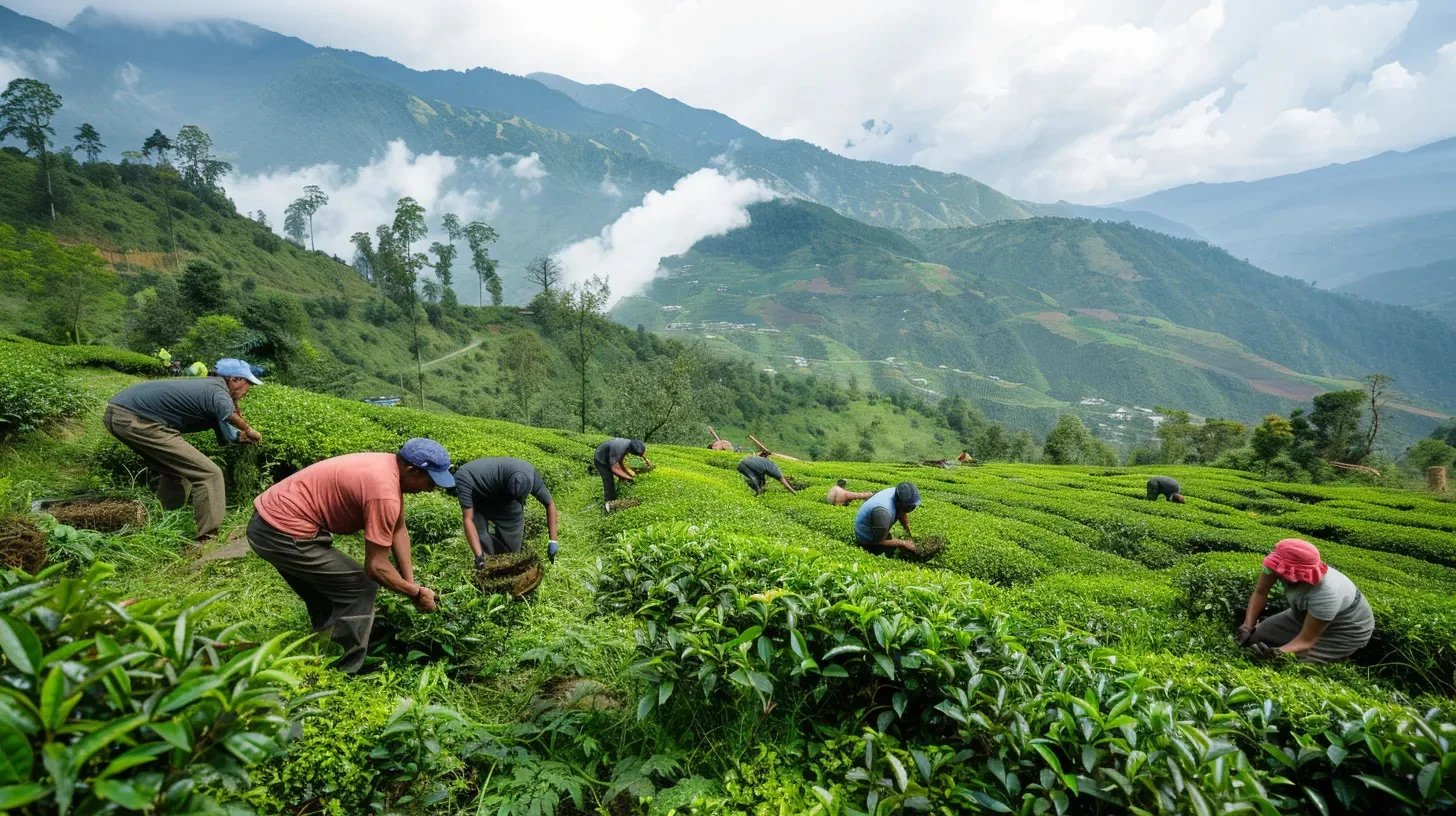
Money benefits of homestay income include better household planning:
Families plan expenses more confidently, knowing they have income beyond unpredictable harvests or irregular labor opportunities.
Families handle health emergencies or unexpected costs without going into debt or selling important things.
Families feel more secure about money, reducing the constant stress and worry that comes with extreme income uncertainty.
Even small, steady earnings can greatly reduce uncertainty and improve overall quality of life. The mental relief of having a backup income source creates space for families to think beyond immediate survival and plan for longer-term goals and investments.
Strengthening Community Life
When many families in a village host guests, income circulates locally rather than leaving the community entirely. This creates multiplier effects that help even households not directly hosting guests. The money impact spreads through local buying and shared improvements.
Community-wide benefits come from homestay tourism:
Local shops and services get more business as homestay families buy supplies and hire local labor for improvements.
Shared progress across households happens as multiple families earn income, reducing money inequality within villages.
Stronger cooperation within the community grows as families share tips, help each other, and coordinate guest experiences.
Homestays in Nepal help villages stay active, connected, and strong rather than declining as younger generations leave. The money foundation supports community institutions, cultural events, and social connections that might otherwise weaken under money pressure.
Why This Kind of Income Matters
Homestay income supports more than just money, it supports choice, dignity, and stability in ways that change family life. The value goes far beyond the money transactions to include social, cultural, and mental benefits that improve overall wellbeing.
Families are not forced to change their basic way of life or give up cultural identity. They do not need to leave their land or traditions behind to achieve money security. Instead, they share their daily life and earn in a way that fits naturally with who they are and how they want to live.
This match between money opportunity and cultural preservation is also why homestays are the best way to experience rural Nepal,, for both families who keep their heritage and travelers who value real exchange over surface-level tourism.
A Sustainable Way to Support Family Life
Homestays in Nepal show that tourism does not need to be big or transformative to be effective and helpful. Small, family-run stays can create real, lasting impact when they are respectful, community-centered, and designed to support rather than replace existing work.
Sustainable Benefits of Homestay Tourism
For families across Nepal, homestays provide important support:
Homestays give extra income without disrupting existing farming and cultural practices.
Homestays create opportunity without forcing migration or basic lifestyle changes.
Homestays offer stability without creating unhealthy dependence on tourism or outside forces.
This careful balance makes homestays a sustainable way to support family life over the long term, adapting to changing money conditions while keeping what matters most to rural communities.
Plan a Stay That Supports Local Families With Nepal Homestays
For travelers who want their visit to make a real difference beyond personal enjoyment, choosing homestays in Nepal is a simple but meaningful decision. Every night spent in a family home directly helps household stability, children's education, and community strength.
Through Nepal Homestays, travelers can find trusted family-run and community homestays across Nepal, helping support households, traditions, and village life in a respectful way that honors local independence and cultural integrity.
Frequently Asked Questions About Homestay Income in Nepal
1. How does homestay income reach families directly in Nepal?
Homestay income usually goes straight to the host family without anyone in between, allowing them to decide how it is used based on their needs and priorities. There are no corporate layers, franchise fees, or outside profit-taking, every rupee helps the household directly.
2. Is homestay income enough to fully support a family in Nepal?
Homestay income usually supports families alongside farming or other work rather than being the only income source. It adds important stability and extra earnings rather than replacing all income. Most families see it as an important addition to existing work.
3. How do families commonly use homestay income?
Families often use homestay income for daily expenses, children's education, small home improvements, healthcare costs, and emergency situations. The flexibility of this income allows families to address their most pressing needs as they come up.
4. Does homestay income help reduce migration from villages?
Yes, significantly. By creating viable income opportunities at home, homestays in Nepal help families stay together and reduce the money pressure to leave for work. This keeps family structures intact and communities populated with working-age adults.
5. Who benefits most from homestay income within a family?
The entire household benefits in different ways. Women often gain stronger decision-making roles and money empowerment, children benefit through improved access to education, and elders get better care as families stay intact. The benefits spread across generations.
6. Can homestay income support multiple families in one village?
Yes. When multiple families participate in homestay tourism, income circulates throughout the community. Local shops, services, and farm suppliers all benefit from increased activity, creating multiplier effects beyond the hosting families themselves.
7. How stable is homestay income compared to other rural income sources?
Homestay income tends to be more stable than seasonal farm labor or daily wage work, though it varies with tourism seasons. The combination of some predictability and being extra income makes it valuable for household money planning and reducing stress.
8. Do homestays require families to stop farming?
No. Homestays in Nepal typically work alongside farming rather than replacing it. Families continue farm work, often using their own produce to feed guests. This integration keeps farming traditions alive while adding income diversity to household money.
Company Admin
Travel writer sharing authentic stories and experiences from Nepal's beautiful homestays.