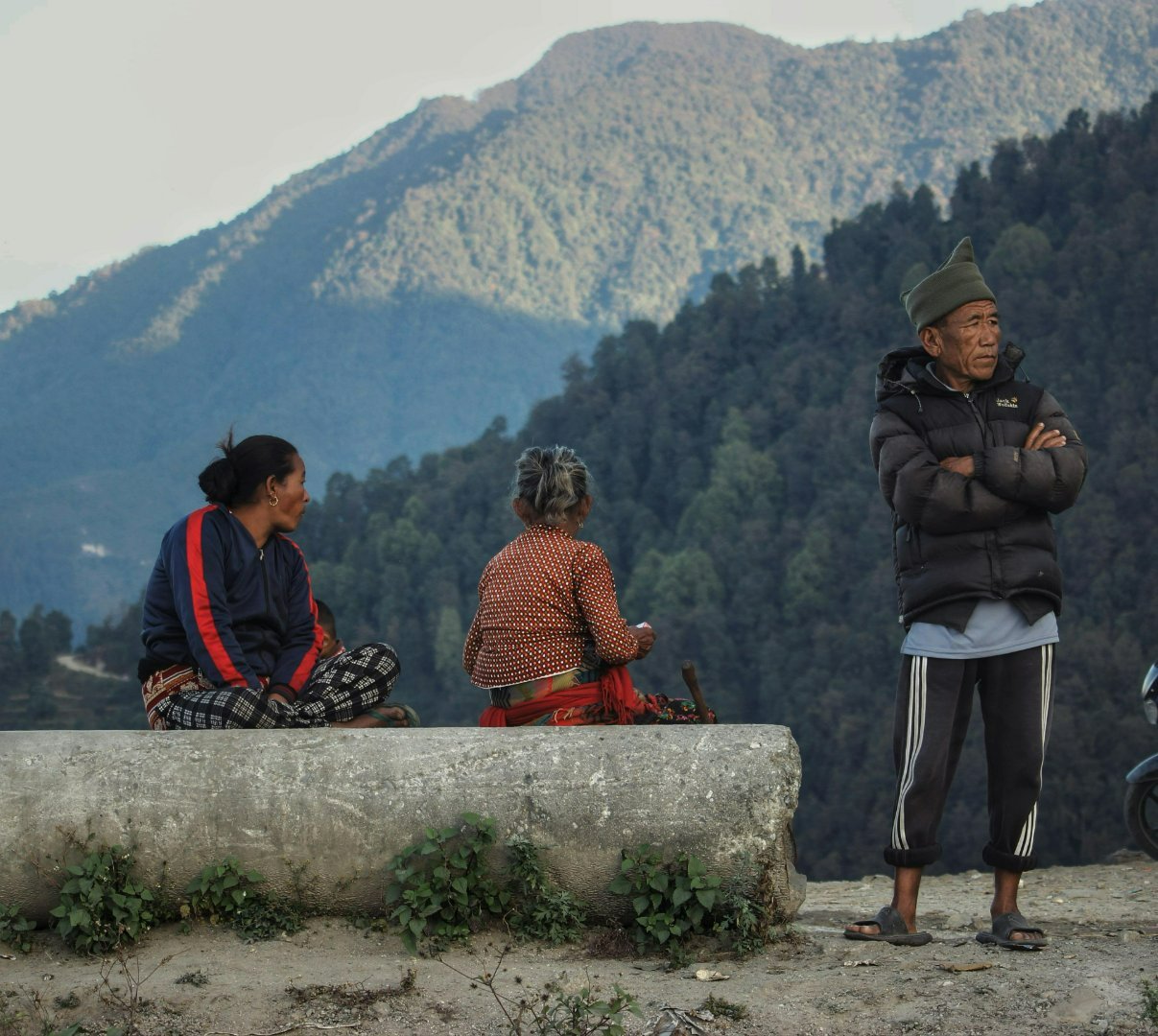
Staying in a homestay changes travel from sightseeing to shared living. This blog explores how slowing down, human connection, and daily life create deeper and more meaningful journeys.
Most people begin a trip with a clear idea of how travel should look. There is a place to stay, a list of things to see, and a rough plan for each day. Hotels and guesthouses make this easy. They are familiar, predictable, and separate from daily life.
Homestays quietly change that pattern.
When travelers stay in a homestay, travel becomes less about moving through places and more about spending time in one place. Without trying to, the journey slows down, becomes more personal, and starts to feel different in a way that is hard to explain at first.
The Pace of Travel Changes
One of the first things that changes in a homestay is the pace. Days no longer feel rushed or packed.
Instead of waking up and immediately heading out, travelers often wake up to the sounds of a household starting its day. Meals happen at certain times. Evenings are quieter. There is less pressure to fill every hour.
Travelers may not cover as much distance, but they often feel more present. Many later realize how much they were missing before, especially what travelers often miss when they skip homestays in Nepal, where everyday moments are just as important as famous places.
Daily Life Becomes the Experience
Homestays do not offer activities or schedules. Life simply continues.
Travelers notice small things:
Someone preparing tea in the morning
Children leaving for school
A family sitting together in the evening
Quiet conversations after dinner
These moments are not designed for visitors. That is what makes them meaningful. Instead of watching local life from the outside, travelers experience it from within.
Culture Is Learned Without Effort
In a homestay, culture is not explained. It is lived.
Travelers learn through observation. They notice how people speak to elders, how guests are treated, how meals are shared, and how decisions are made within families. No one sits them down to teach these things.
Over time, understanding grows naturally. This everyday sharing is also why homestays play an important role in keeping Nepal’s cultural identity alive, by allowing traditions to continue as part of daily life rather than turning them into displays.
Food Feels Different
Food in a homestay is not something ordered. It is something shared.
Meals are cooked in the same kitchen the family uses every day. Ingredients are local and often seasonal. Everyone eats together, usually at the same time.
Travelers often find that food tastes better when it is eaten slowly and shared with others. Sitting at the same table creates space for conversation and connection. In rural areas, this experience reflects a lifestyle closely tied to land and seasons, similar to what is seen in homestays connected to farming life and living with the land in Nepal.
People Stay in the Memory Longer Than Places
After returning home, travelers who stayed in homestays often talk less about places and more about people.
They remember:
A conversation in the evening
Laughter during a meal
A small gesture of care
A story shared quietly
These moments leave a deeper impression than landmarks. Travel becomes something felt, not just seen.
Comfort Is Understood Differently
Homestays change how comfort is defined.
Comfort is no longer about facilities or luxury. It comes from feeling welcome, being looked after, and knowing someone is there if help is needed. Rooms may be simple, but they feel warm and personal.
Many travelers find they sleep better and feel calmer in these settings than they expected.
Travel Becomes More Respectful
Living in someone’s home naturally encourages respect.
Travelers become more aware of their actions. They listen more, observe before acting, and adjust to household routines without being told to. This awareness often carries beyond the homestay into how they move through villages and communities.
This shift helps explain why homestays are the best way to experience rural Nepal, where respect and relationships shape everyday life.
The Impact of the Stay Becomes Visible
Another quiet change is awareness of impact.
In a homestay, travelers can see who benefits from their stay. Income goes directly to families. Traditions are valued because people care about them, not because they attract visitors.
Travel begins to feel more meaningful when its impact is clear and personal.
Travel Feels Deeper, Not Busier
Staying in a homestay does not add more activities to a trip. It removes some of the noise.
Travelers:
Visit fewer places
Stay longer in one location
Spend more time simply being present
This slower approach often leaves them feeling more satisfied and less tired than fast-paced travel ever did.
Who This Kind of Travel Suits Best
Homestays tend to change travel most for people who are curious about daily life, open to simple living, and comfortable slowing down. It may not suit those looking for luxury or strict schedules, but for many, it becomes a turning point.
Once experienced, travel often never feels the same again.
Seeing Nepal Through Its Homes
When travelers stay in homestays, Nepal feels less like a destination and more like a place where real lives are lived. The country is no longer just something to pass through. It becomes something to spend time in.
That change stays with travelers long after the journey ends.
Plan a More Thoughtful Journey With Nepal Homestays
For travelers who want their journeys to feel personal, grounded, and real, homestays offer a different way to travel.
Through Nepal Homestays, travelers can find trusted family-run and community homestays across Nepal, making it easier to experience the country through its homes and everyday life.
Travel slowly.
Live locally.
Experience Nepal through its homes.
Frequently Asked Questions
1. Does staying in a homestay really change how people travel?
Yes. Staying in a homestay often shifts travel from moving quickly between places to spending time with people and daily life. Many travelers find the experience more personal and meaningful.
2. Are homestays suitable for first-time travelers to Nepal?
Yes. Homestays are usually welcoming and supportive. Hosts help guests understand daily routines and local customs, making the stay comfortable even for first-time visitors.
3. Is staying in a homestay uncomfortable compared to hotels?
Homestays are simpler than hotels, but comfort comes from cleanliness, warm meals, and personal care. Many travelers find them more relaxing than expected.
4. Do homestays limit freedom while traveling?
No. Homestays do not limit where travelers go. They simply change the pace, encouraging longer stays and deeper connection rather than constant movement.
5. Who benefits most from staying in a homestay?
Homestays suit travelers who value culture, human connection, and slow travel. They are ideal for those who want to understand Nepal beyond tourist attractions.
Company Admin
Travel writer sharing authentic stories and experiences from Nepal's beautiful homestays.