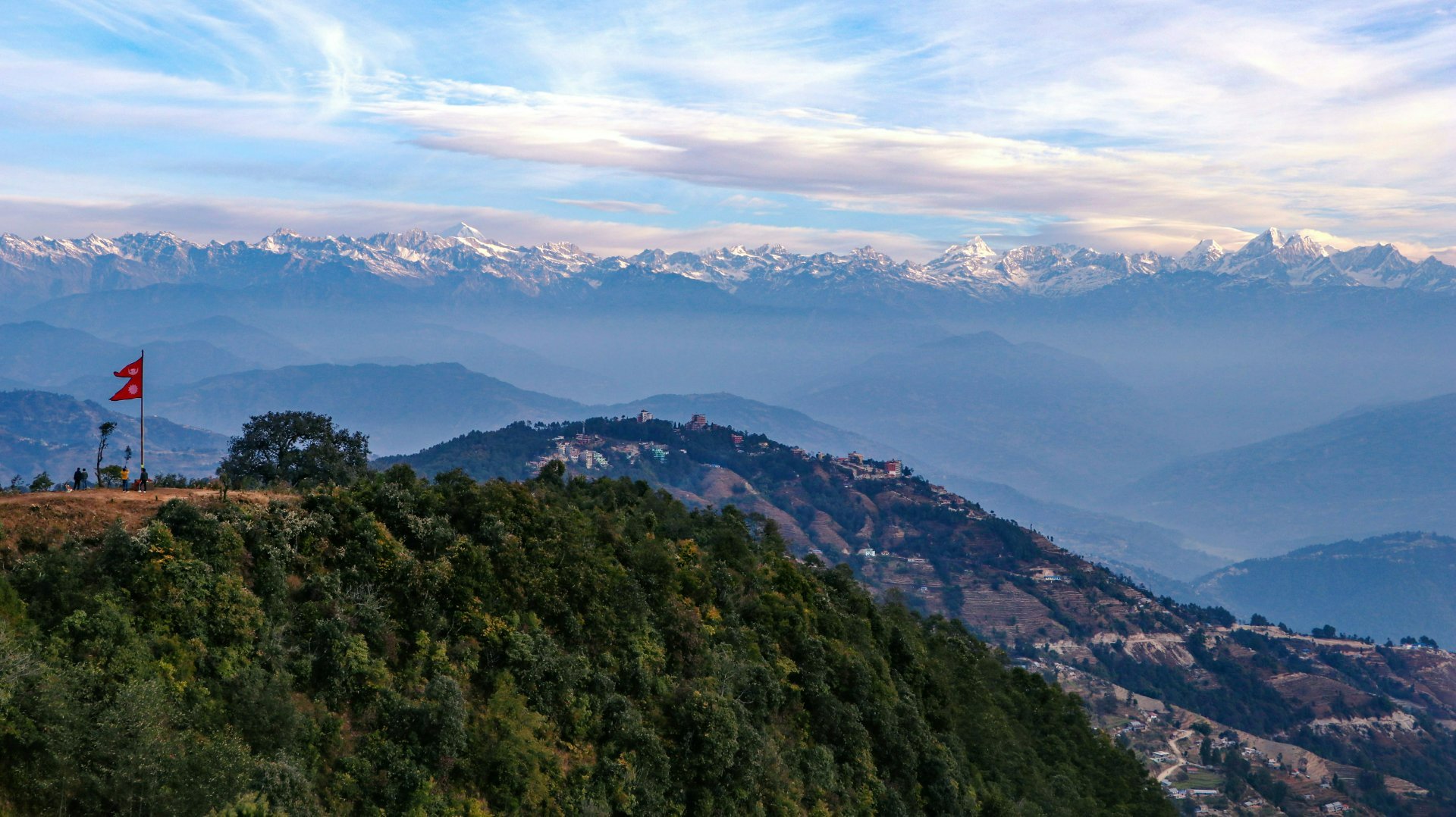
The view doesn't care what you paid. A $25 homestay and a $150 resort sit on the same Nagarkot ridge. The real difference? Who wakes you at 5am, what's on the breakfast table, and whether a second night (in case clouds roll in) breaks the bank.
Most people searching for accommodation in Nagarkot are really asking one question: will I actually see the sunrise from here?
The view depends almost entirely on the weather, not on how much you paid. A USD 25 homestay and a USD 150 resort sit on the same ridge. The difference shows up in who wakes you up at 5am, what you eat before you go, and how much a second night costs if the first morning is cloudy.
Here is what you will find below:
A price comparison between homestays and hotels in Nagarkot, including meals
What each type of stay actually gives you for the sunrise specifically
Which one makes more sense depending on what you want from the trip
One Thing That Surprises Most First-Time Visitors
Nagarkot is a small ridge village and the accommodation options here are not as far apart as the price gap suggests. Most properties, from a family homestay to a four-star resort, sit on or near the ridge with some kind of mountain-facing aspect. A USD 25 homestay and a USD 150 resort can be 300 meters apart on the same road.
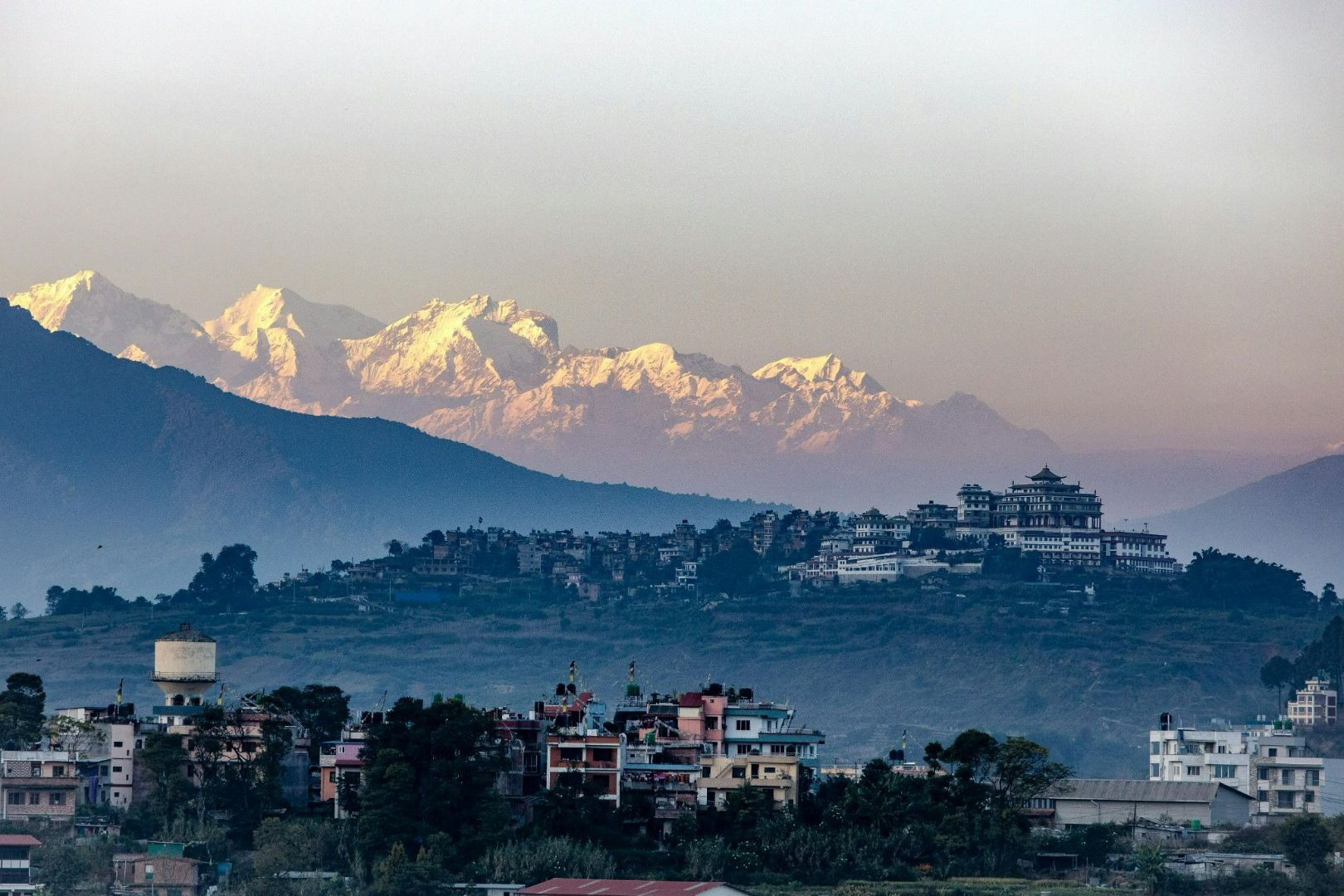
The view itself is not what you are paying for. It is everything around it.
The Price Reality in 2026
Here is what you actually pay per night across the main options in Nagarkot, based on current booking data:
A homestay at Nagarkot with two meals included at USD 25 to 50 per night compares very well against a mid-range lodge at USD 60 to 80 where you pay separately for dinner. When you factor in meals, the real cost gap between a good homestay and a mid-range hotel is much smaller than the nightly rate suggests.
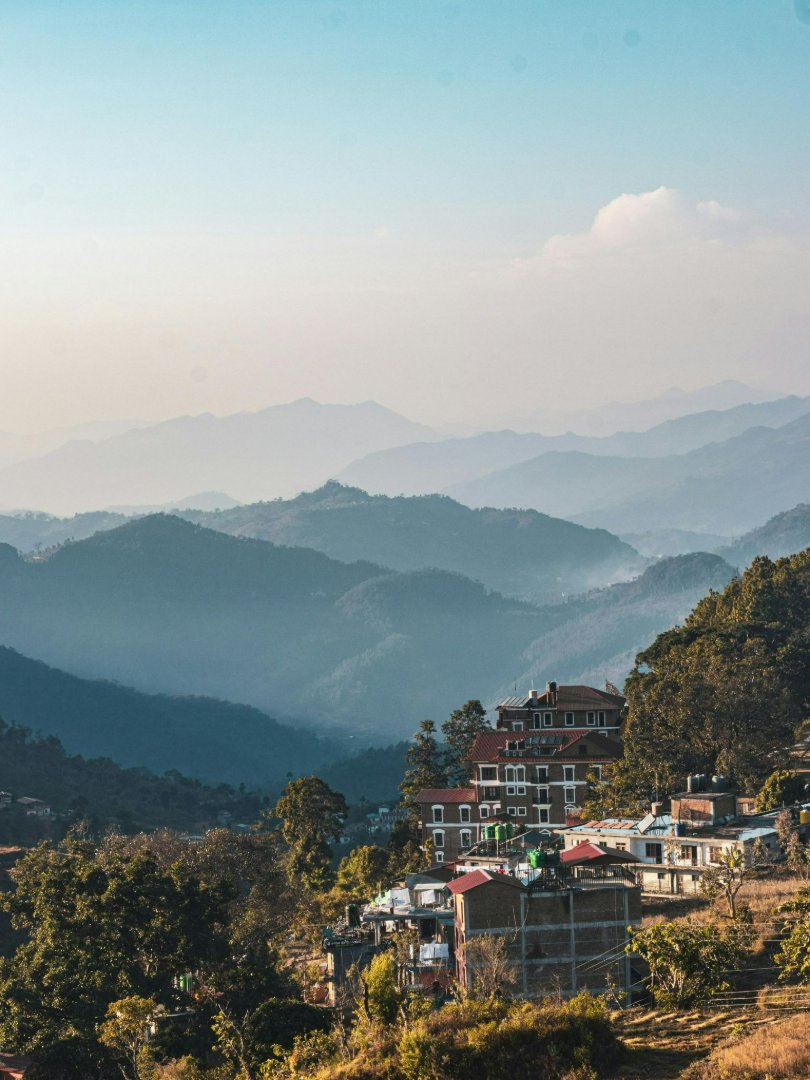
The gap between a homestay and a place like Club Himalaya is real and mostly comes down to amenities: Club Himalaya has an indoor heated pool, a spa, a full restaurant, and 70 rooms with private balconies. A homestay has a family kitchen, a terrace, and one or two guest rooms. If you need the pool and spa, a homestay cannot give you that.
What Each Type of Stay Gives You for the Sunrise
Here is how the two options actually differ on the one thing most visitors come to Nagarkot for.
Staying in a Homestay
Most homestays in Nagarkot are run by families who have lived on this hill for a long time. They know the weather patterns, they know which morning is likely to be clear, and they will wake you up without being asked if you tell them the night before that you want to catch the sunrise.
That last point matters more than it sounds. A hotel front desk at 5am is a different experience from a host who knocks on your door at 5am, hands you a cup of tea, and points you toward the viewpoint while it is still dark.
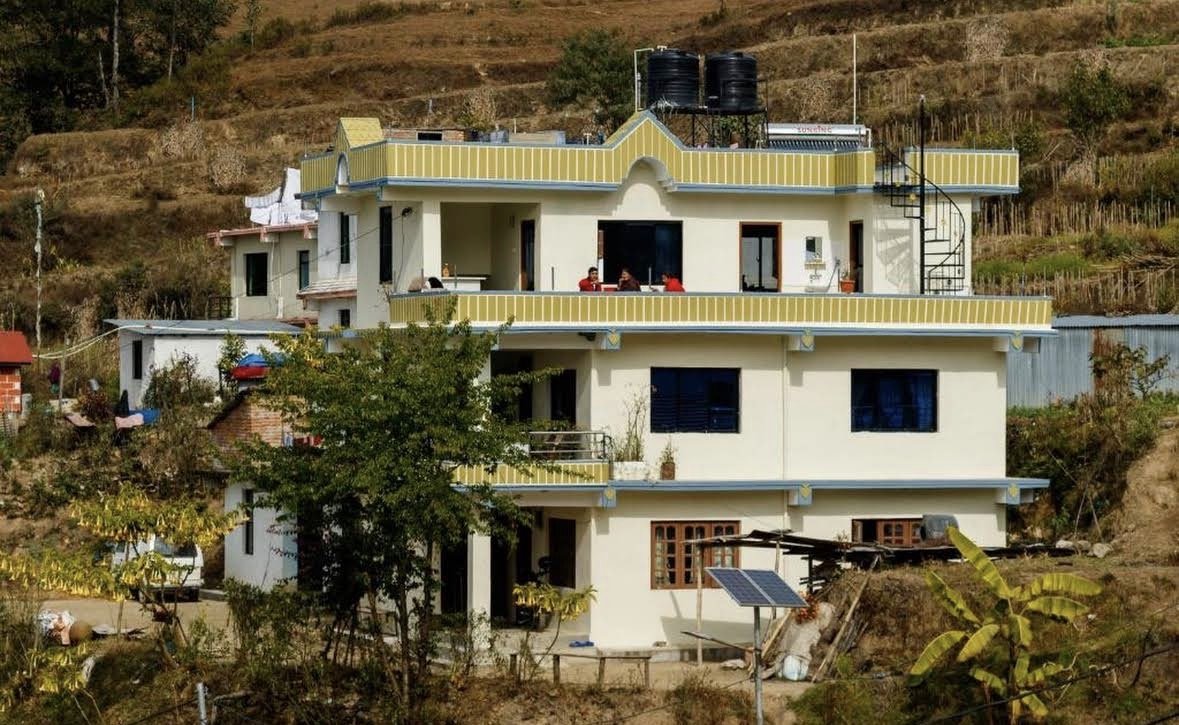
Most homestays also sit in the village area or slightly off the main road, which means the walk to the ridge viewpoints takes 10 to 20 minutes on foot. You are already on the hill. There is no driving required.
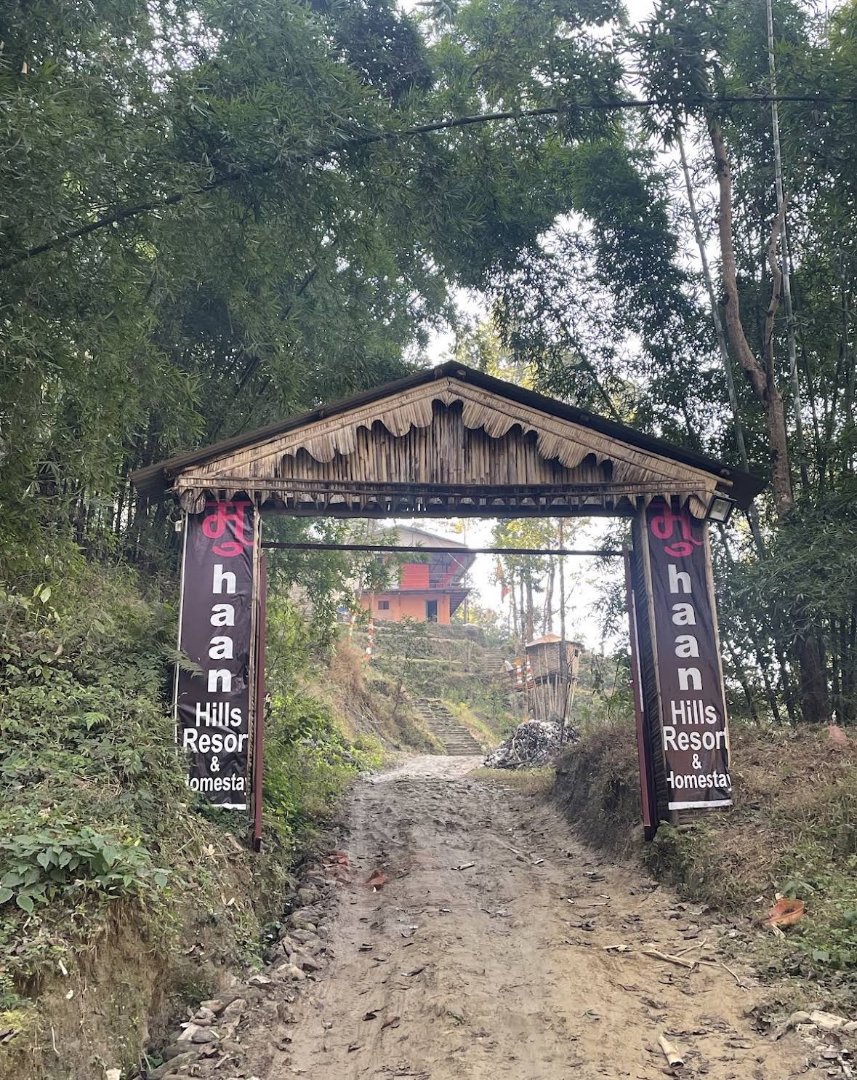
The downside is that facilities are basic. Rooms are clean but simple, hot water is usually solar-heated and runs cold on overcast winter mornings, and WiFi is unreliable in homestays further from the main road. If any of those things affect your comfort significantly, a homestay is a real compromise.
Staying in a Hotel or Resort
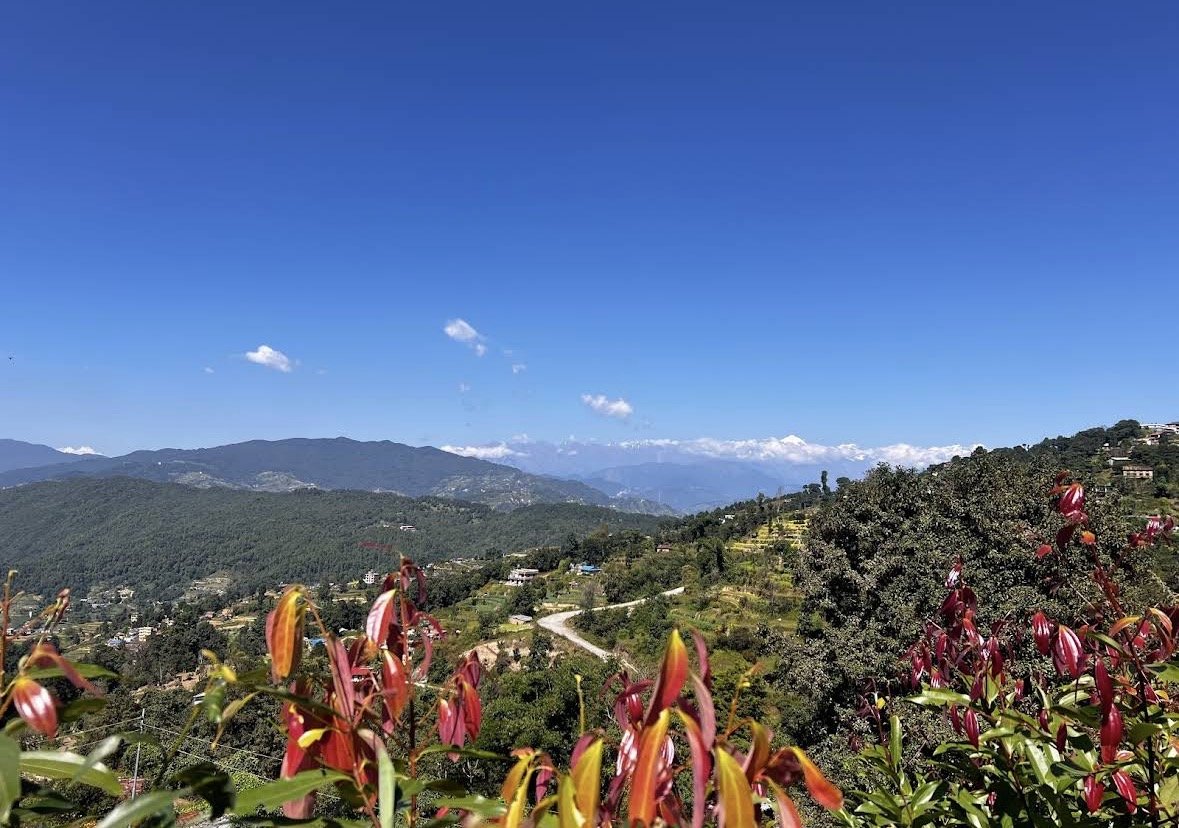
The main practical advantage of a hotel for the sunrise is the private balcony. Properties like Club Himalaya are designed with mountain-facing rooms and balconies that give you a direct Himalayan view from your own room without leaving the building. On a clear morning, you can watch the sunrise in a bathrobe with a coffee from room service.
The bigger hotels also have wake-up call systems, multiple staff, and consistent hot water. For travelers who want comfort and reliability alongside the sunrise, a mid-range lodge or resort is a reasonable choice.
The downside for the sunrise specifically is that larger hotels attract group tours. During peak season, tour buses from Kathmandu arrive at the main viewpoints between 5 and 6am, and if your hotel is popular with group bookings, you may find the terrace or viewpoint area crowded with 20 other guests all arriving at the same time.
Which One Should You Actually Book?
It comes down to two practical questions: do you need a private balcony, and can you afford a second night if the first morning is cloudy?
If you want to watch the sunrise from a private balcony with hotel amenities around you, a mid-range lodge at USD 60 to 80 or a resort like Club Himalaya at USD 99 to 163 gives you that. The view from a private balcony is excellent at both price points and you do not need to walk anywhere in the dark.
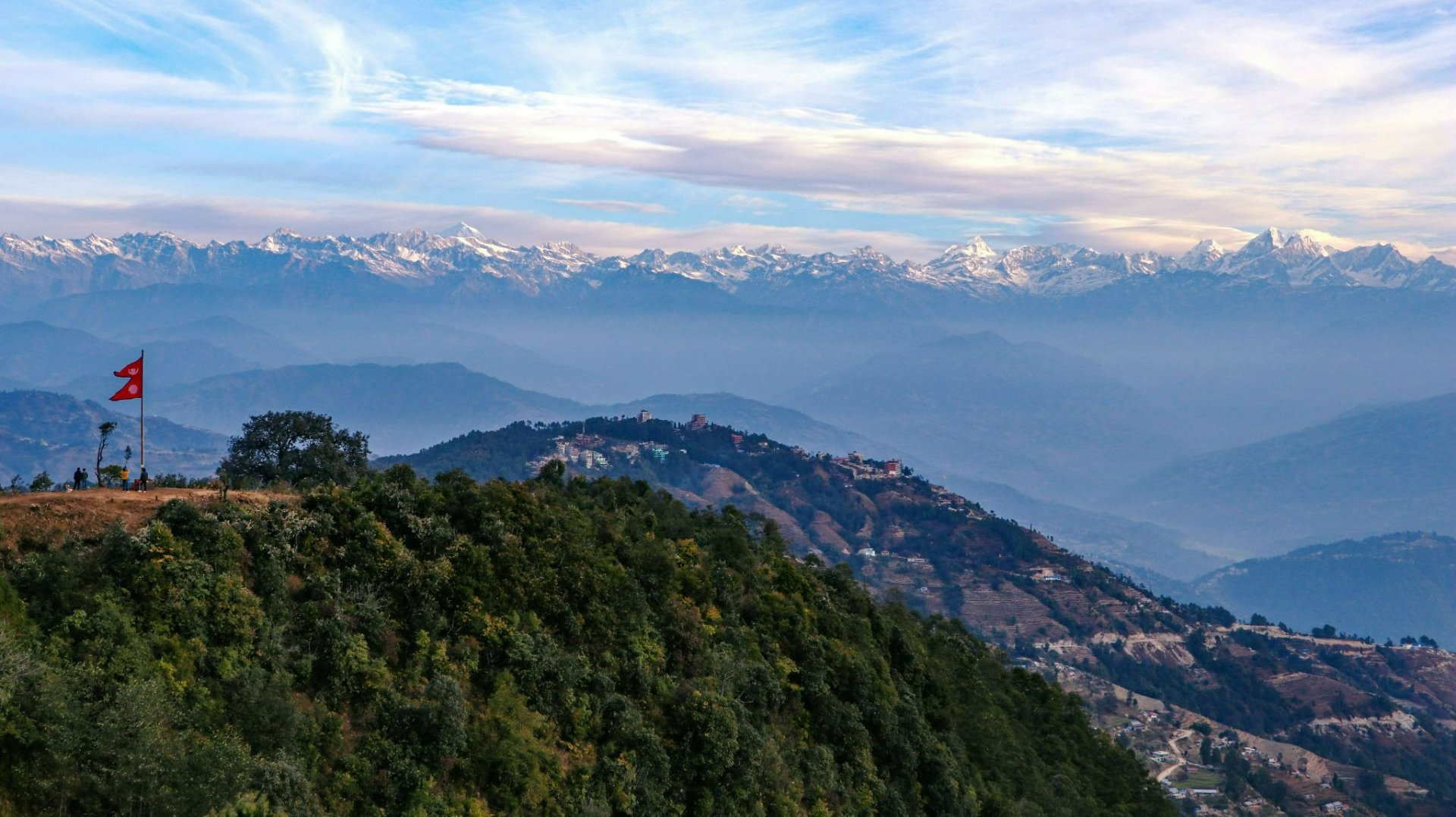
If you want to wake up in a family home, have a host who knows the weather, eat a home-cooked meal after the sunrise, and spend the rest of the day starting the Changunarayan hike from the ridge without driving anywhere, a homestay covers all of that. The trade-off is the facilities gap: no private balcony, inconsistent hot water in winter, limited WiFi.
The one scenario where the homestay clearly wins on practical grounds: if the first morning is cloudy. A homestay at USD 25 to 50 per night with meals means a second night costs you USD 25 to 50 extra. A second night at Club Himalaya costs USD 99 to 163 extra. Staying two nights to improve your odds of a clear morning is a much easier decision when the nightly rate is lower.
What to Look for in a Nagarkot Homestay
What to Look for in a Nagarkot Homestay
Not all homestays in Nagarkot are equally well-placed for the sunrise. These are the four things that actually matter when choosing one.
Check Which Direction the Property Faces
Some homestays sit on the south-facing side of the ridge where the Himalayan view is partially blocked by trees or other buildings. Ask specifically about the mountain view from the room or terrace before you book. A north-facing or ridge-facing room gives you the open view toward the Langtang and Ganesh Himal ranges that most visitors come for.
Confirm the Host Will Wake You Up
Most homestay hosts in Nagarkot will knock on your door before sunrise without being asked, but it is worth confirming the night before. Send a message when you book saying you want to catch the sunrise and ask what time they recommend leaving. Most will tell you exactly what time based on the current season and how far the viewpoint is from the property.
Ask About the Walking Distance to the Nearest Viewpoint
Ideally you want to be within a 15 to 20 minute walk of the Nagarkot View Tower or the ridge trail so you can arrive at the viewpoint on time without rushing in the dark. Some homestays further from the ridge add 30 to 40 minutes to the walk, which means leaving earlier and in colder conditions.
Read Reviews for the Food Specifically
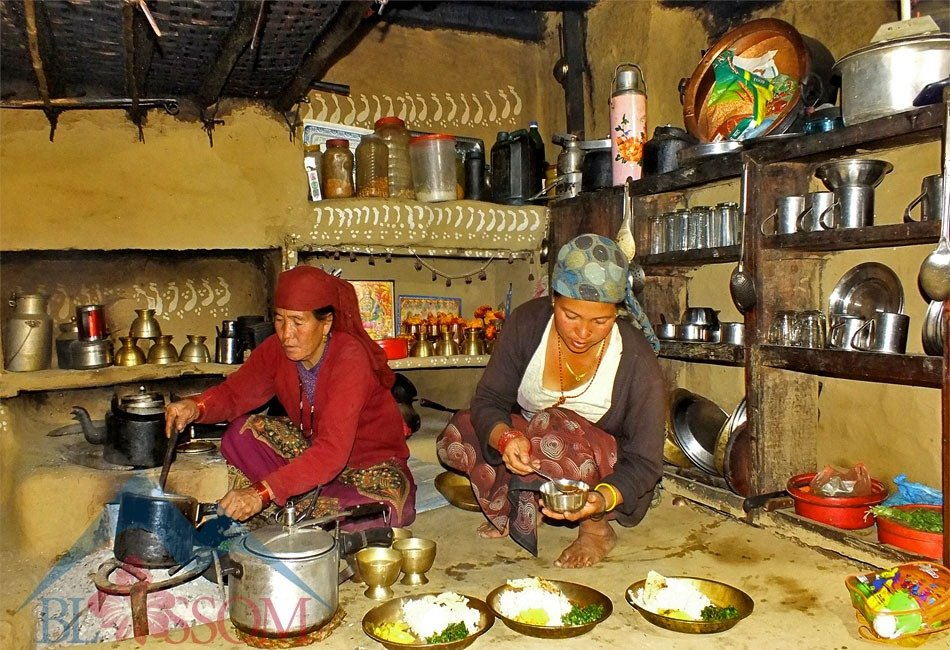
Home-cooked dal bhat, eggs, and fresh bread are the standard at most Nagarkot homestays and most reviewers mention the food positively. Meal quality varies more between individual homestays than it does between hotels, so a quick scan of recent reviews for mentions of breakfast and dinner tells you more than the listing photos do.
Final Thoughts
If the sunrise is your main reason for going to Nagarkot, the clearest morning you will ever get there is the one where you were already asleep on the hill the night before and your host knocked on your door at 5:15am.
A homestay makes that morning cheaper, easier, and more likely to happen twice if the first one is cloudy. Browse verified Nagarkot homestays with mountain views and sunrise access at nepalhomestays.com.
FAQ: Nagarkot Homestay vs Hotel
Can you see the sunrise from a homestay in Nagarkot?
Yes. Most homestays in Nagarkot are on or near the ridge and have a mountain-facing terrace or garden. Some have rooms with a direct Himalayan view. The sunrise view from a well-placed homestay is comparable to a mid-range hotel. The difference is the private balcony, which only hotels and resorts typically provide.
Is a homestay in Nagarkot cheaper than a hotel?
Yes, consistently. A local family homestay with breakfast and dinner included runs USD 15 to 50 per night. Mid-range lodges start at USD 40 to 80 without meals. Four-star options like Club Himalaya run USD 69 to 163 per night with breakfast as an extra. When you factor meals in, the effective daily cost gap is significant.
Do Nagarkot homestays have hot water?
Most do, but hot water in Nagarkot homestays is usually solar-heated rather than electric. In winter (December to February), mornings can be overcast which means the solar system runs cold. If a reliable hot shower matters to you, ask specifically about the hot water setup before booking, or choose a guesthouse with electric heating.
Which is better for a 2-night stay, a homestay or a hotel?
For a 2-night stay aimed at catching the sunrise, a homestay is the better value by a clear margin. The first morning is always uncertain due to weather, and a second chance at the sunrise costs you a second night. At USD 25 to 50 per night in a homestay versus USD 99 to 163 at a resort, the decision to stay a second night is much easier to make.
Company Admin
Travel writer sharing authentic stories and experiences from Nepal's beautiful homestays.