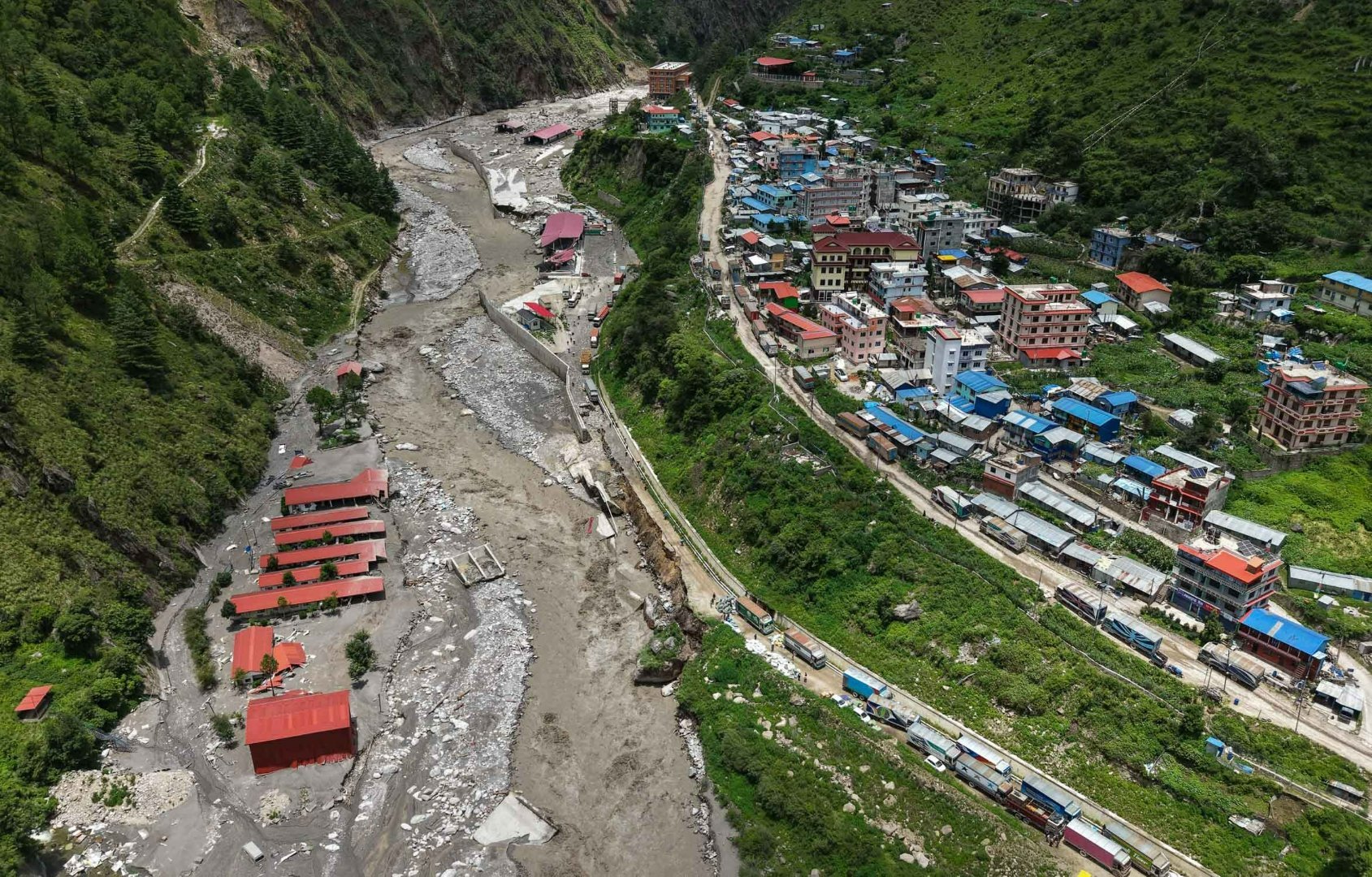
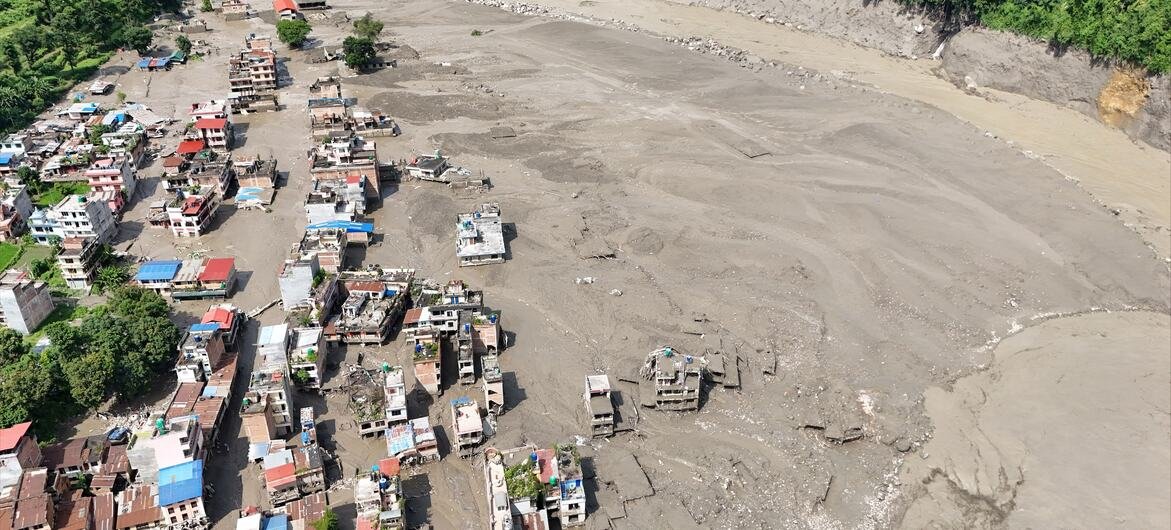
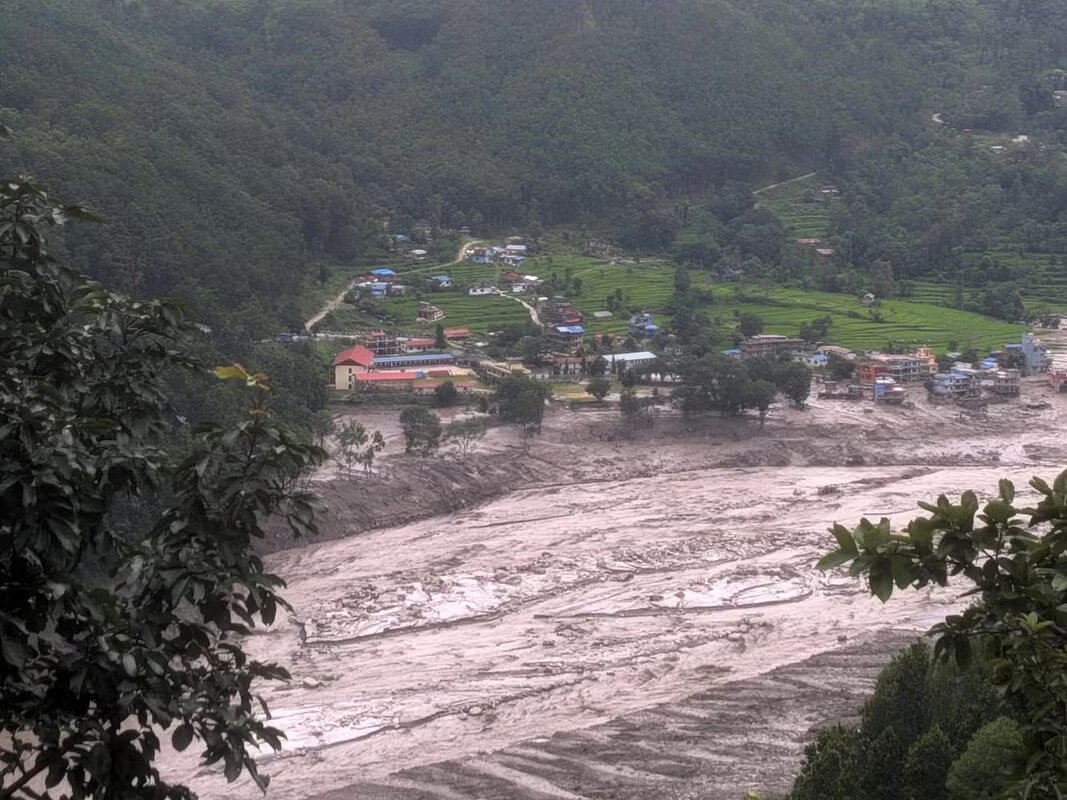
When the Rasuwa flood tore through Timure, Rasuwagadhi and Syabrubesi, it damaged more than roads and bridges. It disrupted homestays, guides and small tourism businesses that entire families depend on. Nepal Homestays is supporting the Nepal Hackathon to help make sure recovery reaches them too.
TL;DR
Nepal Homestays is supporting the Nepal Hackathon after the August 26 Rasuwa flood
The flood hit Timure, Rasuwagadhi and Syabrubesi, then moved through the Trishuli corridor, damaging homes, roads, bridges and tourism infrastructure
No reliable count yet separates damaged homestays from other structures; assessments are still ongoing
The hackathon aims to map damage, verify community needs, and connect affected areas with support
Long-term, tourism income is part of how these communities rebuild, not an afterthought to it
Nepal Homestays is supporting the Nepal Hackathon as part of a broader effort to help communities affected by the Rasuwa flood recover. That means rebuilding infrastructure, but it also means restoring the local livelihoods, tourism networks and economic opportunities that many families depend on.
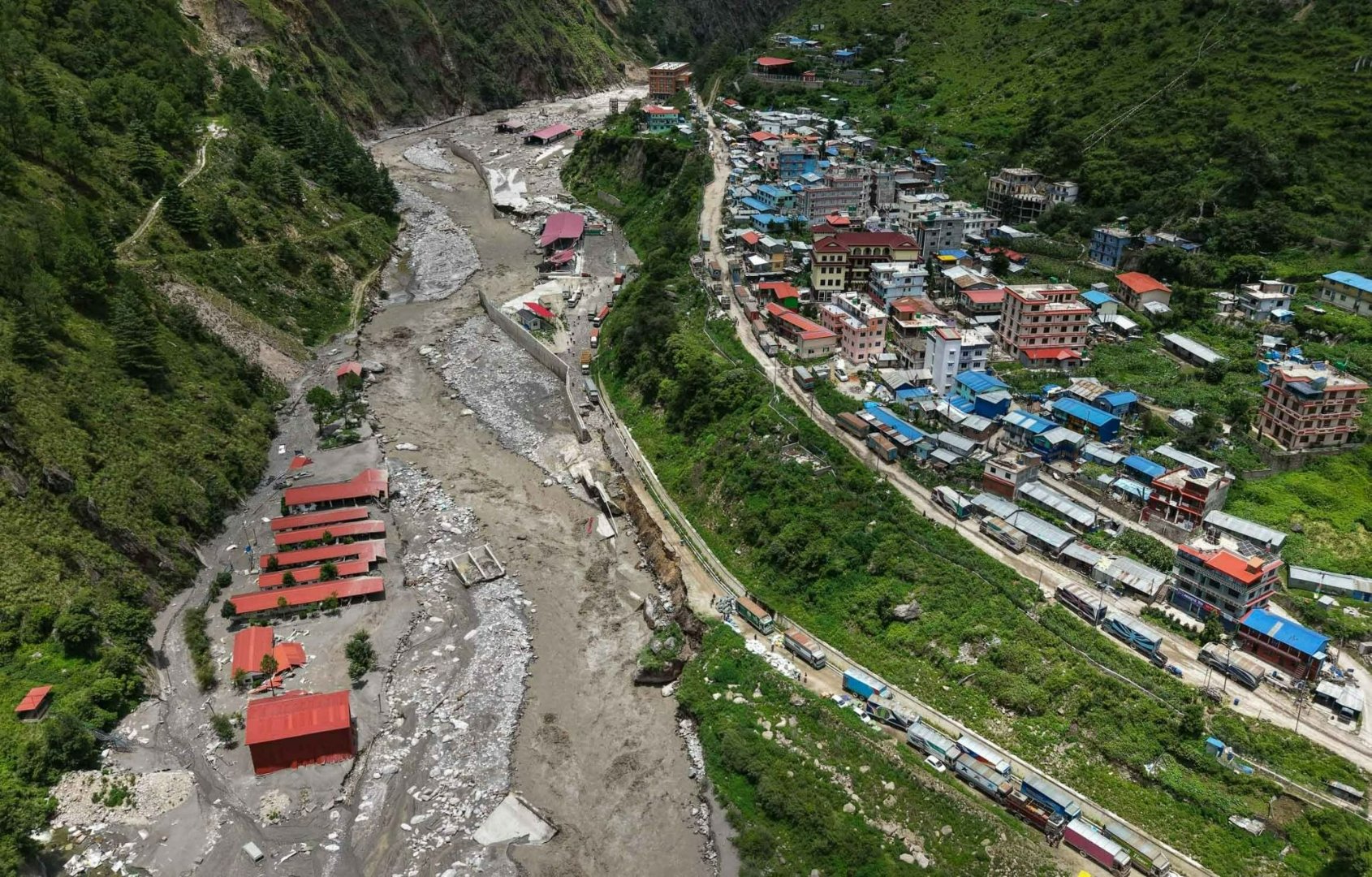
Nepal Homestays was built around a simple idea. Tourism should create real economic opportunities for the communities that make Nepal worth visiting. Our network connects travelers directly with Nepali families and communities, so tourism revenue stays local and supports cultural preservation, sustainable tourism and economic opportunity in places often overlooked by conventional tourism. The flood that struck Rasuwa on August 26 hit communities that are closely tied to the future of tourism in Nepal. It severely damaged Timure, Rasuwagadhi and Syabrubesi, then moved downstream through the Trishuli corridor, destroying homes, markets, roads, bridges and other critical infrastructure. Syabrubesi is one of Nepal's most important gateways to the Langtang Valley and Tamang Heritage Trail. The surrounding region supports a network of family-run accommodation, lodges, guides, restaurants, transport providers and other small tourism businesses.
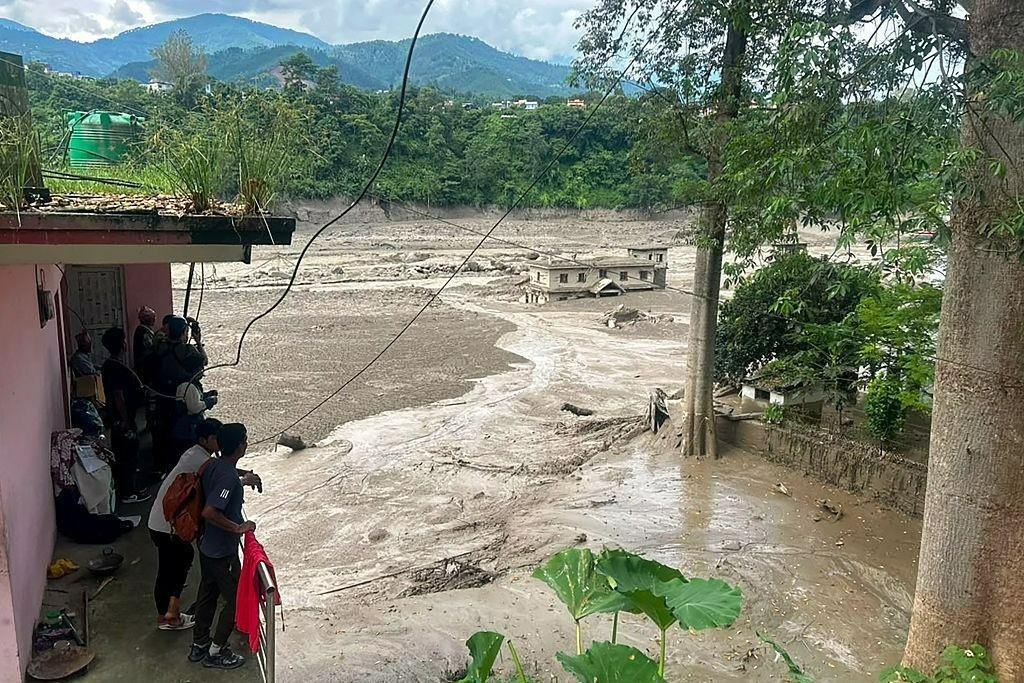
The Nepal Hackathon brings together people in Nepal and around the world to support the immediate response, and also to work through a harder question: what comes next. For Nepal Homestays, that means making sure disaster recovery reaches the small businesses and households whose livelihoods can easily disappear from national infrastructure statistics. Rebuilding a highway or bridge is essential. But reopening a tourism economy also means knowing which families lost homes, guest rooms or equipment. It means knowing which trails and local roads are still inaccessible, where water, electricity and communications are disrupted, and what each community needs to safely welcome visitors again.
Quick overview
Understanding the impact on homestays and local tourism
The full scale of tourism losses isn't known yet. Rasuwa had a substantial accommodation economy before the disaster. Government district data identifies 216 buildings used as hotels and lodges across Rasuwa, and earlier Nepal Tourism Board research documented 27 homestays along the Tamang Heritage Trail alone. Those numbers shouldn't be read as a count of what was destroyed. As of this writing, there's no reliable public count separating homestays lost or damaged from hotels, lodges, houses and other structures, and rescue and damage assessments are still ongoing. What is clear is that some of the district's most tourism-dependent settlements were among the hardest hit.
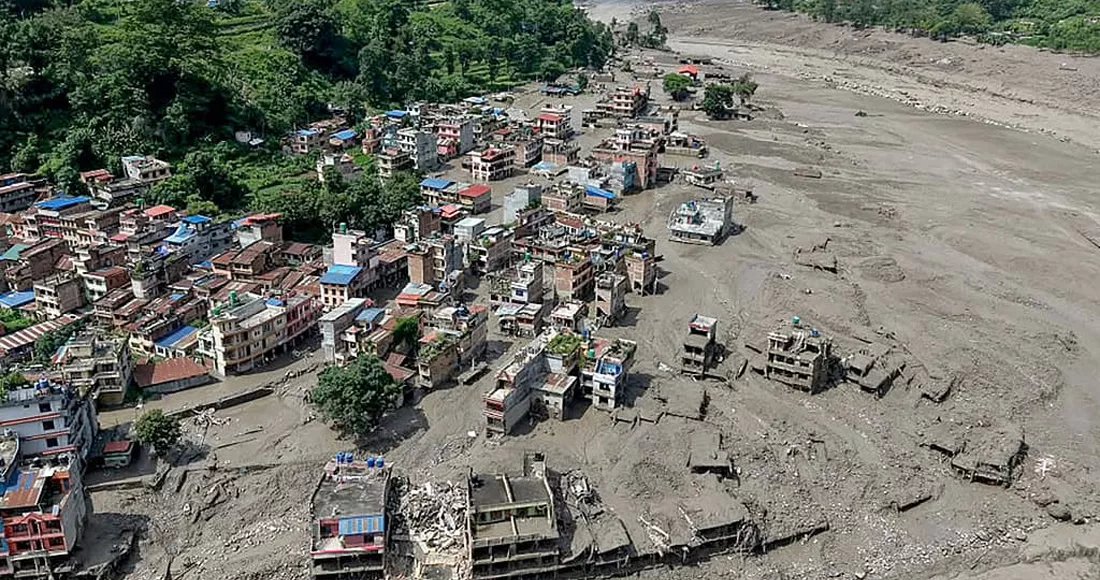
That information gap matters on its own. One useful outcome of the hackathon could be a verified, continuously updated picture of the impact on Nepal's local tourism economy. That means identifying homestays and small tourism businesses that were destroyed, damaged or cut off. It means mapping access and infrastructure, documenting immediate needs, and connecting individual communities with organizations able to provide financial or technical support. A system like this could also help separate areas that remain unsafe from destinations elsewhere in Nepal that are unaffected and still depend on tourism. The goal isn't to discourage travel to Nepal as a whole. It's to give people accurate information, protect travelers and communities, and help affected destinations recover when conditions allow.
Tourism is part of economic recovery
For many rural communities in Nepal, a homestay isn't just a place to sleep. It's a family enterprise tied to farmers who supply food, guides and porters, drivers, craft producers, restaurants and other businesses. Tourism income creates opportunity in communities where jobs are limited, and it gives families a reason to invest in their homes, preserve local culture and stay economically active in their villages. That income often reaches further than the household running the homestay. It can fund a child's education or turn the work women already do at home into recognized, paid labor. When a disaster destroys a homestay, or cuts off an entire destination, the economic damage reaches well beyond the value of the building itself.
That's why tourism belongs in the conversation about long-term disaster recovery in Nepal, and why homestays in particular have become one of Nepal's most effective tools for rural development. The first priority is rescue, relief, shelter and basic services. But recovery, in the end, means restoring communities' ability to support themselves. In Rasuwa and the wider Trishuli corridor, that will mean rebuilding transportation and communications, restoring safe access to tourism areas, assessing trails and environmental hazards, helping local businesses reopen, and telling travelers clearly when individual destinations are ready to receive visitors again. It may also mean rebuilding differently: putting future tourism infrastructure in safer locations, improving emergency communications and evacuation planning, expanding early-warning systems, and building climate and disaster resilience into how community-based tourism grows from here.
From immediate relief to long-term community resilience
Nepal Homestays' role here shouldn't stop at the immediate emergency. As a national network connecting hosts, communities and travelers, we can help make the household-level economic consequences of this disaster visible, and help make sure recovery efforts reach the people whose small businesses make up a real part of Nepal's tourism economy. Over time, that same network can help build a more resilient model of community-based tourism in Nepal. One where homestays have better information about environmental risks, stronger ties to local government and emergency-response systems, more resilient energy and communications infrastructure, and access to travelers and supporters around the world when a community is ready to recover.
The Nepal Hackathon gives these needs a much wider pool of expertise to draw on. Engineers and geospatial specialists can help map damage and safe access. Data scientists can organize scattered information on affected communities. Tourism researchers can help measure economic losses and track recovery. Technology companies can contribute communications, mapping, cloud and data capabilities. Universities can support longer-term research into disaster risk and climate resilience. Funders and travelers can put resources directly into communities. People looking for how to help in Nepal can contribute not just to immediate relief, but to the longer work of rebuilding communities and livelihoods.
The disaster is also a reminder that Nepal's tourism future can't be separated from its changing mountain environment. High-altitude ice, rock and water hazards, landslides, floods and increasingly unstable terrain put communities and infrastructure at risk throughout the Himalayas. Understanding what caused the flood isn't just a scientific question about this one disaster. It's part of the larger challenge of making settlements, transportation networks and tourism infrastructure more resilient to future events. The exact trigger of the August 26 flood is still under investigation, though current assessments point to a major high-altitude ice-rock event and the flood surge that followed through the Lhende–Bhote Koshi system.
Keeping communities connected after the headlines move on
The disaster itself will eventually fall out of international headlines. The work of rebuilding won't. Roads will need to reopen, homes and businesses will need to be reconstructed, travelers will need accurate information, and families who depended on tourism will need customers again. Some communities may recover quickly. Others may take years.
For Nepal Homestays, this is where the longer-term purpose matters most. A traveler who stays with a family does more than book a room. That visitor helps sustain a local livelihood and builds a direct human connection with Nepal. In the months and years after this disaster, responsible tourism can be one part of recovery: bringing income back to affected regions once they're safe, supporting communities that remain economically vulnerable, and helping Nepal rebuild a tourism economy that's more sustainable and more resilient.
The success of the Nepal Hackathon shouldn't be measured only by what gets built in one weekend. It should be measured by whether communities walk away with tools, resources and relationships that stay with them through recovery. For Nepal's homestays, that means helping families rebuild not just their homes, but their livelihoods and their connection to the world.
Final Thought
Disasters like this test more than infrastructure. They test whether the systems built around tourism can actually reach the families who depend on it. Nepal Homestays is working to make sure the answer is yes, in Rasuwa and wherever the next crisis hits. If you want to support Nepal's homestay communities or learn how tourism connects to their recovery, visit Nepal Homestays to learn more.
FAQ
Were homestays destroyed in the Rasuwa flood?
Some tourism-dependent settlements, including Timure, Rasuwagadhi and Syabrubesi, were badly hit. There is currently no reliable public count separating damaged or destroyed homestays from hotels, lodges and other structures, and assessments are still underway.
What caused the Rasuwa flood?
The exact trigger is still under investigation. Current assessments point to a major high-altitude ice-rock event and the resulting flood surge through the Lhende–Bhote Koshi system.
Is it still safe to travel to the Langtang region?
Access and safety vary by area and are changing as recovery continues. Travelers should check current conditions before planning a trip to Rasuwa or the Tamang Heritage Trail, since some areas remain affected while other parts of Nepal are unaffected and open as usual.
How does the Nepal Hackathon help affected communities?
It brings together engineers, data scientists, tourism researchers, technology companies and universities to map damage, organize information on affected communities, and connect them with people able to provide financial or technical support.
How can I help Nepal's flood-affected tourism communities?
Supporting organizations involved in relief and recovery now, and returning as a traveler once destinations reopen, both help. Tourism income reaches families directly and supports rebuilding in ways infrastructure aid alone doesn't cover.
Company Admin
Travel writer sharing authentic stories and experiences from Nepal's beautiful homestays.