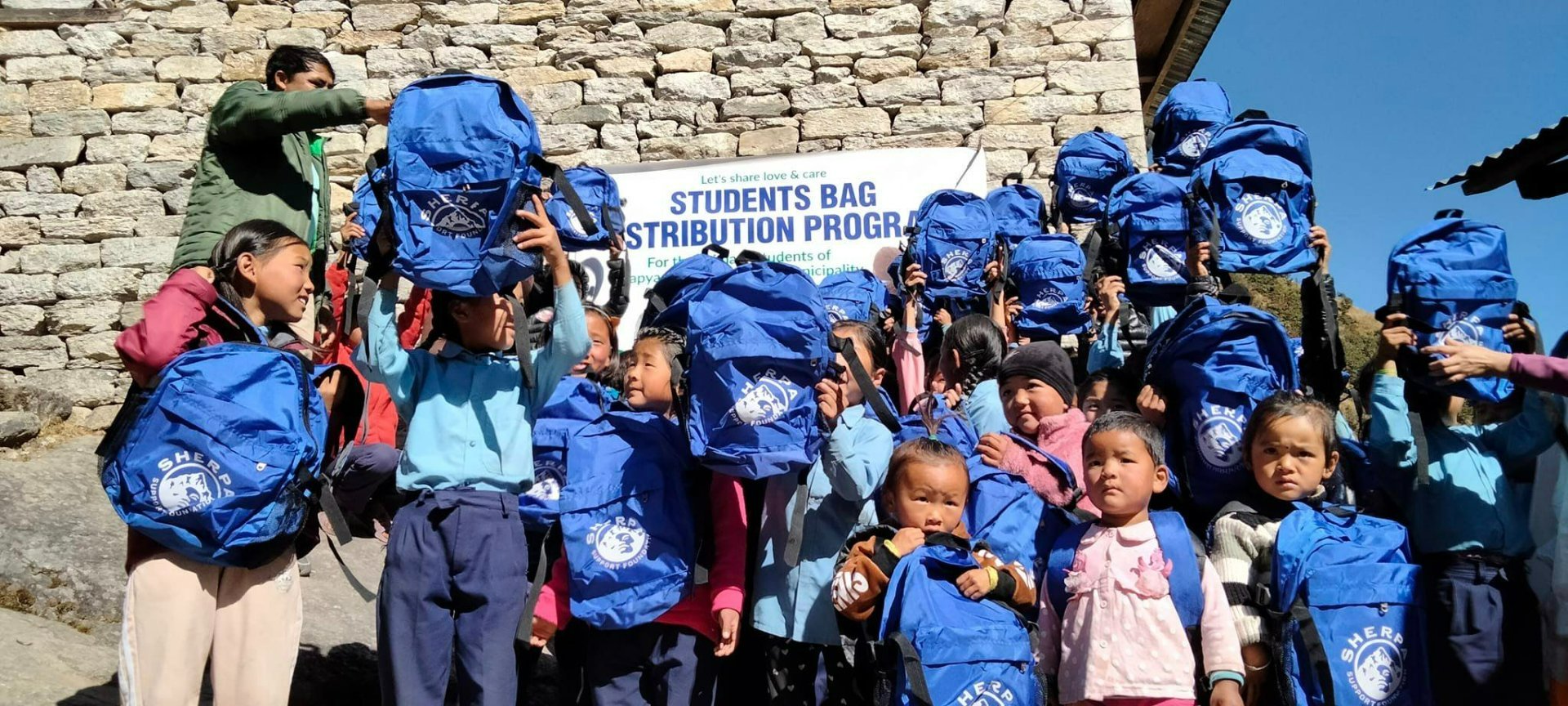
Discover how staying in Nepal homestays directly funds village schools, scholarships, and learning materials turning travelers into education sponsors.
When travelers book a homestay in rural Nepal, they're doing more than securing a bed for the night. They're becoming informal education sponsors. In villages across Nepal's hill and mountain regions, homestay income has become one of the most reliable funding streams for local schools, teaching materials, and student scholarships. This isn't charity, it's a direct economic loop where guest spending transforms into classroom resources, teacher salaries, and opportunities for children who would otherwise lack access to quality education.
This model has quietly reshaped rural education funding in Nepal. While government education budgets remain limited and NGO support fluctuates, homestay revenue provides consistent, community-controlled funding that reaches schools faster and more transparently than traditional aid channels. We'll break down exactly how this system works, where the money goes, and why it matters for Nepal's educational future.
The Direct Link Between Homestay Revenue and School Funding
How Homestay Income Reaches Local Schools
In community-managed homestay networks, a percentage of guest fees is allocated to village development funds. These funds prioritize education infrastructure. In Lwang Ghalel (Lamjung), for ,10% of homestay earnings go directly to the local school maintenance fund. In Ghale Gaun, the community homestay cooperative has funded computer lab equipment, library books, and science materials since 2015.

The mechanism is straightforward:
Guests pay homestay fees (typically NPR 2,000 to 3,500 per night)
Host families retain 60 to 70% for household income
10 to 15% goes to community education funds
5 to10% supports school meal programs or scholarship pools
Remaining amounts cover cooperative operations
This structure ensures education funding is embedded in the business model, not dependent on external donations. With homestay tourism now spread across over 500 rural areas in Nepal, the collective educational impact reaches hundreds of village schools annually.
Verified s from Nepal Homestay Communities
Sirubari Village (Syangja)
Since 2010, homestay revenue has funded:
Construction of 4 additional classrooms
Solar-powered computer lab (12 workstations)
Annual scholarships for 15 students (NPR 10,000 to 25,000 each)
English language teacher salary supplement (NPR 15,000/month)
Ghandruk (Kaski)
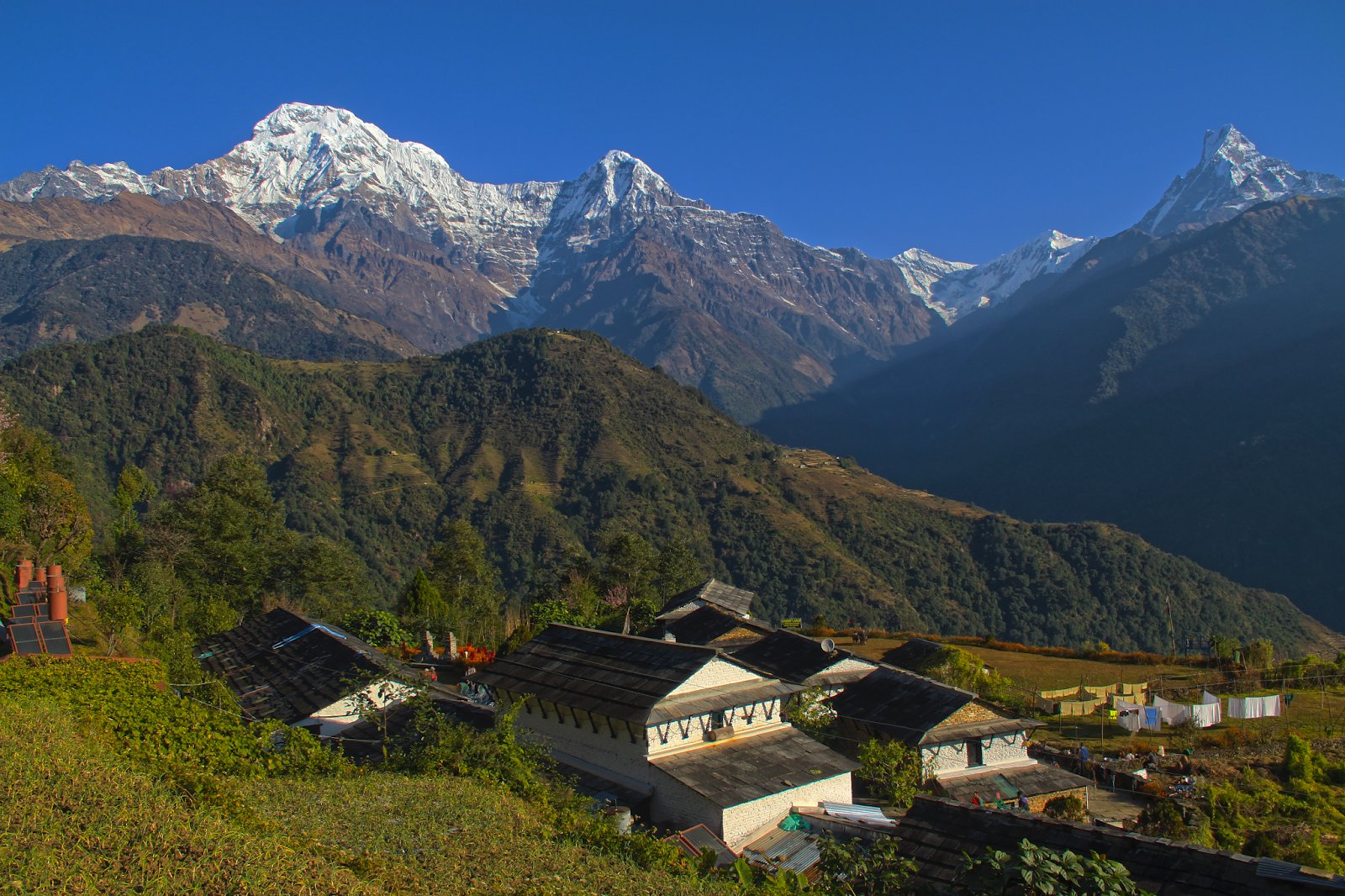
The Ghandruk Lodge and Homestay Committee allocates:
NPR 500 per guest night to the village education fund
Funded new school building wing in 2018 (cost: NPR 4.2 million)
Provides free textbooks to 80+ students annually
Meghauli (Chitwan)
Tharu community homestays contribute:
15% of net income to school meal programs
Funded construction of separate girls' toilet facilities (2019)
Sponsors annual science fair and cultural education programs
These aren't isolated cases. The Homestay Network in Nepal, grew from a single homestay in Panauti in 2012 to 362 families across 40 communities, demonstrates how this education funding model has scaled rapidly across Nepal's rural landscape.
Where Guest Money Actually Goes: A Breakdown
Direct Education Expenditures
When guests support education through homestays, their money flows directly into local schooling needs rather than distant administrative systems. In rural Nepal, these contributions help families cover essential education costs that public schools often cannot fully support. Funds are managed at the household or community level, ensuring transparency and local decision-making. This direct approach allows guest spending to create immediate, measurable educational impact.
Infrastructure Improvements
Classroom construction and repairs: 30 to 40% of education funds
Toilet facilities (critical for girls' attendance): 15 to 20%
Playground and sports equipment: 5 to 10%
Solar lighting for evening study: 10 to 15%
Learning Materials
Textbooks and reference books: 20 to 25%
Science lab equipment: 10 to 15%
Computers and digital learning tools: 15 to 20%
Art and sports supplies: 5 to 10%
Student Support
Scholarships for low-income families: 25 to 35%
School meal subsidies: 20 to 25%
Uniform and stationery assistance: 10 to 15%
Transportation support for remote students: 5 to 10%
Teacher Training and Salary Supplements
When guests support education through homestays, their money goes straight into local schooling needs rather than distant systems. In rural Nepal, this support helps families manage essential education costs that public schools often struggle to cover. The result is a direct, transparent impact on children’s access to education.
Many homestay communities use guest revenue to:
Top up government teacher salaries (typically NPR 10,000 to 20,000/month)
Fund English language training for local teachers
Bring in specialist teachers for science, math, or IT
Cover substitute teacher costs during training periods
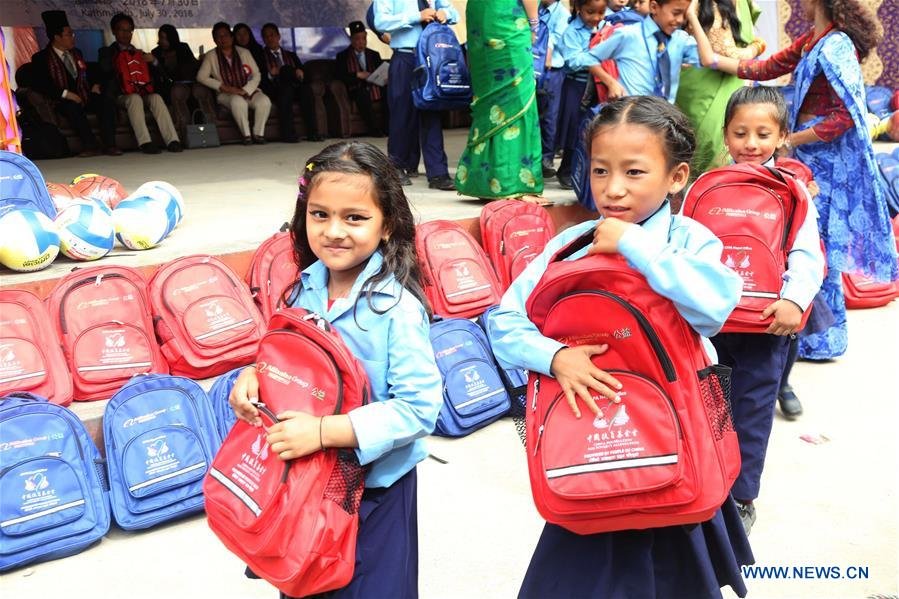
In Lwang Ghalel, homestay income funds a dedicated English teacher year-round, a position the government budget doesn't cover. In Nagarkot, guest fees support monthly teacher training workshops focused on modern pedagogy.
The Scholarship System: From Guest Fees to Student Futures
How Homestay Funded Scholarships Work
Homestay funded scholarships transform a portion of guest spending into long-term educational support for rural students. Rather than one time donations, these funds are pooled and managed locally to ensure continuity and fairness. This system connects everyday travel choices directly to sustained student futures.
Community homestays have developed structured scholarship programs:
Eligibility Criteria (Typical)
Family income below NPR 200,000/year
Student academic performance (minimum 60% aggregate)
Regular school attendance (90%+)
Priority for girls and marginalized caste students
Scholarship Amounts
Primary level: NPR 10,000 to 15,000/year
Lower secondary: NPR 15,000 to 25,000/year
Secondary level: NPR 25,000 to 40,000/year
Higher education: NPR 50,000 to 100,000/year (select cases)
What Scholarships Cover
School fees and exam costs
Books and stationery
School uniforms
Transportation (for students traveling from remote hamlets)
Private tutoring for weak students
Success Stories: Students Funded by Homestay Revenue
Sirubari, Syangja: 23-year-old Anita Gurung, now a primary school teacher in Pokhara, received homestay-funded scholarships from grade 6 through bachelor's degree. Total support: NPR 180,000 over 9 years. She's one of 8 students from Sirubari who've completed higher education through homestay scholarships since 2012.
Ghandruk, Kaski: The homestay cooperative has sponsored 47 students to date. Of these, 12 have completed university degrees, 5 are currently in medical or engineering programs, and 18 are in higher secondary education. The community tracks outcomes annually.
Ghale Gaun, Lamjung: Since 2015, homestay scholarships have enabled 6 students to pursue nursing degrees, 4 to study education, and 3 to train as paramedics in all fields that serve the community directly.
Beyond Money: How Guests Contribute to Education Directly
Guest-Led Teaching Sessions and Workshops
Beyond financial support, homestay guests often contribute to education through direct knowledge sharing and skill exchange. These interactions take the form of informal teaching sessions, workshops, or mentoring activities within the community. Such guest led engagement adds practical learning opportunities that local schools may not be able to provide.
Many homestays facilitate informal education exchange:
English conversation practice with native speakers
Science demonstrations by visiting researchers
Art and craft workshops led by creative travelers
Cultural exchange presentations by international guests
Photography and digital skills sessions
In Tamang Heritage Trail communities, guests with teaching backgrounds often volunteer 1 to 2 hours for English classes. In Bardiya, wildlife researchers staying at local homestays conduct annual conservation education sessions for local students.
Book Donations and Educational Material Exchanges
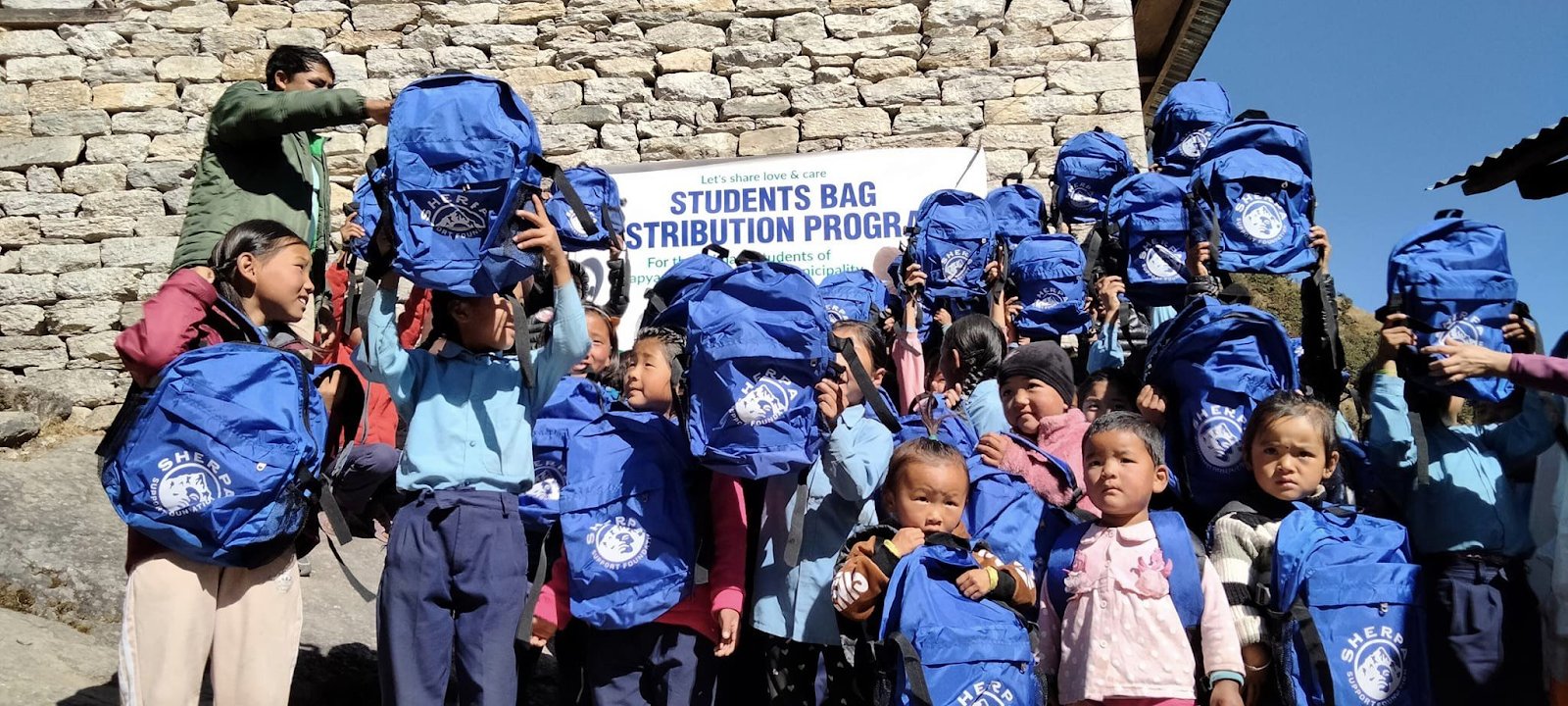
Book donations and educational material exchanges allow guests to support learning in ways that go beyond cash contributions.
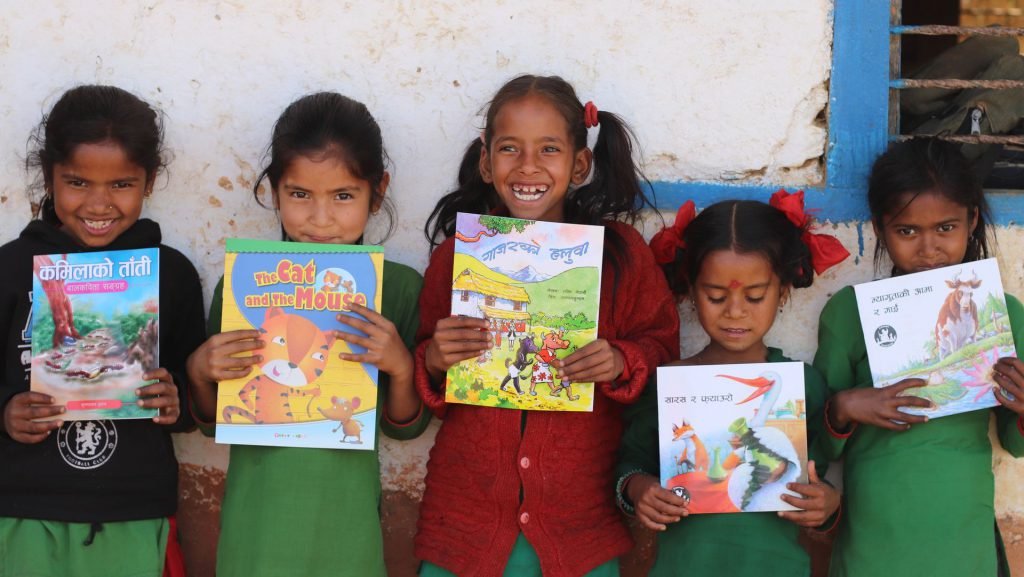
Travelers increasingly bring educational materials:
English children's books (age-appropriate, non-religious)
Maps, globes, and geography materials
Science experiment kits
Musical instruments
Sports equipment (footballs, badmintons, etc.)
Best Practices for Educational Donations:
Coordinate with homestay hosts before bringing materials
Donate directly to schools, not individual families
Avoid religious or culturally inappropriate content
Focus on durable, practical items (not consumables)
Consider digital materials (loaded tablets, educational apps)
The Economics: How Much Guest Spending Becomes Education Funding
Financial Flow Analysis
Guest spending in homestays follows a clear, traceable path from accommodation fees to education support. A defined portion of income is typically earmarked for community education funds after basic household expenses are met. This financial flow ensures that everyday travel spending translates into structured, measurable education funding.
Per Guest Night Breakdown (Community Homestay Average)
Annual Impact : 50 Room Homestay Village
With Nepal welcoming approximately 1,147,548 visitors in 2024 and showing a +13% annual growth trend, rural homestay communities are experiencing increased guest volumes. For a medium-sized homestay village:
Average occupancy: 40% (146 nights/year per room)
Total guest nights: 7,300
Education fund contribution: NPR 2,190,000/year
Scholarships funded: 60 to 80 students
Infrastructure projects: 2 to 3 major improvements/year
Comparison with Traditional Education Funding
Homestay income provides the most predictable and locally-controlled education funding stream in rural Nepal.
Regional Variations: How Different Areas Fund Education
Mountain Communities (Langtang, Manang, Everest Region)
In mountain communities such as Langtang, Manang, and the Everest region, education funding from homestays reflects both remoteness and higher operating costs. Guest contributions are often directed toward boarding school fees, hostel accommodation, and teacher retention, as access to nearby schools is limited.
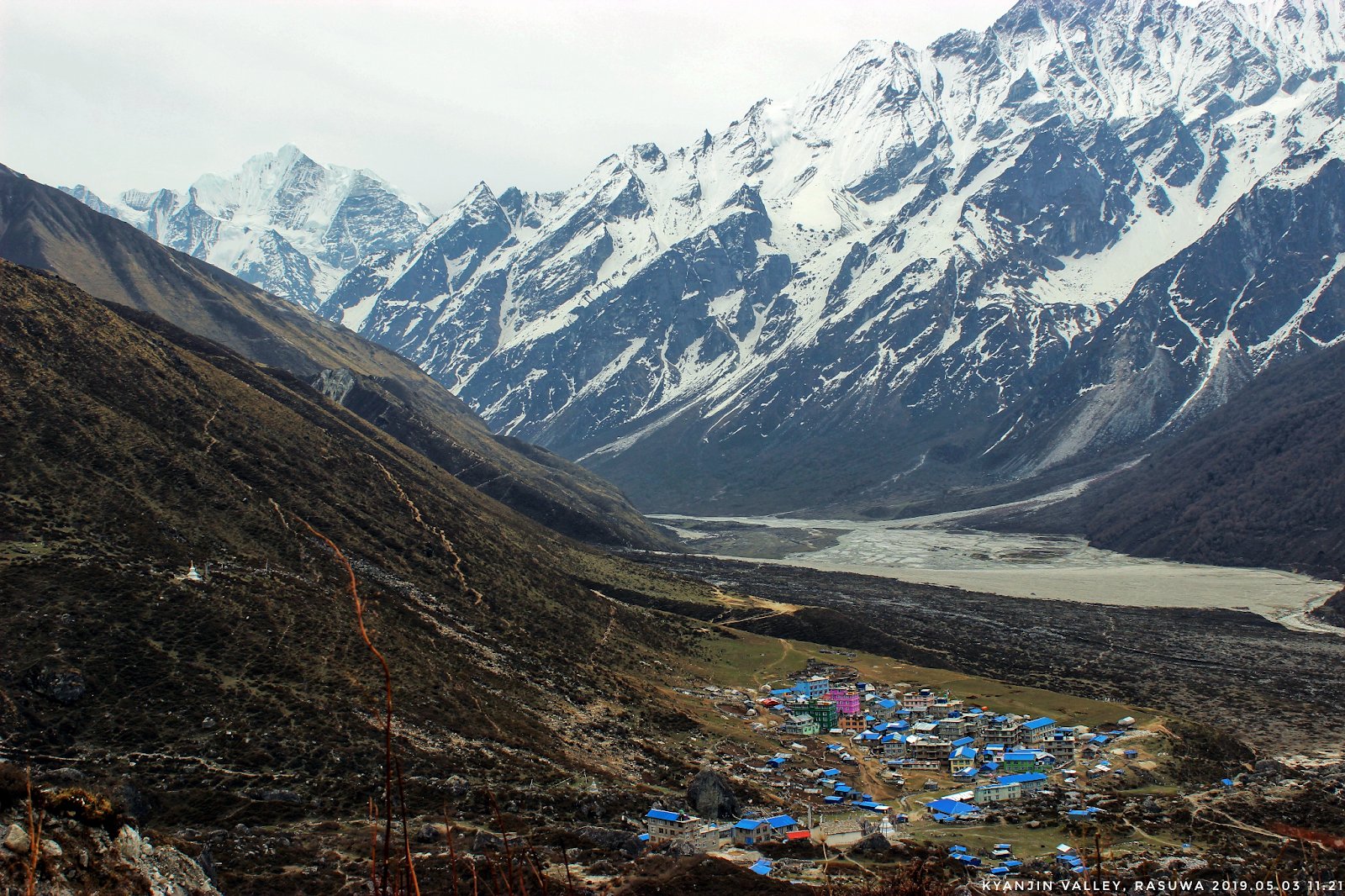
As a result, a larger share of homestay linked education funds in these areas supports long-term schooling outside the village rather than daily classroom expenses.
Mountain homestays face:
Higher operational costs (transport, heating, food)
Seasonal income (March to May, September to November)
Lower guest volumes but higher per-night rates
Education funding strategies:
Larger percentage allocation (15 to 20% of income)
Focus on scholarship pools for secondary/higher education
Partnerships with trekking agencies for additional funding
Seasonal intensification (summer planning, winter implementation)
Langtang Valley: Post-2015 earthquake, reconstructed homestays committed 20% of income to rebuild school infrastructure. By 2020, 3 schools had been fully rebuilt using homestay funds combined with external aid.
Hill Communities (Ghandruk, Sirubari, Bandipur)
In hill communities like Ghandruk, Sirubari, and Bandipur, homestay linked education funds are mainly used for local school fees, learning materials, and skil based training that keeps children studying within their own villages.
Mid-hill homestays enjoy:
Year-round accessibility
More consistent guest flow
Lower operational costs
Proximity to urban education resources
Education funding focuses on:
Quality improvements (digital learning, teacher training)
Scholarship programs for higher education
Student exchange programs with urban schools
Infrastructure maintenance rather than new construction
Learn more about how homestays are driving sustainable tourism in these rural hill communities.
Terai Communities (Chitwan, Bardiya, Koshi Tappu)
Lowland homestays benefit from:
National park tourism synergy
Road accessibility
Multi-day guest stays
Wildlife and cultural tourism blend
Education priorities:
Environmental education programs
Conservation career training
English language enhancement
Vocational skills (guiding, hospitality)
Meghauli, Chitwan: Tharu homestays fund a specialized conservation education program that has trained 40+ local youth as nature guides creating employment while preserving traditional ecological knowledge.
Challenges and Limitations in the Homestay Education Model
Seasonal Income Volatility
Problem: Most homestays earn 70 to 80% of annual income in 2 to 3 peak months.
Impact on Education:
Delayed scholarship disbursements
Infrastructure projects postponed
Teacher salary supplements interrupted
Community Solutions:
Establish reserve funds during peak season
Stagger scholarship payments to match income flow
Diversify income through off-season activities (farming, handicrafts)
Unequal Distribution Among Communities
Not all homestay villages generate equal education funding:
High Earning Communities (NPR 1,000,000+/year)
Ghandruk, Lwang Ghalel, Sirubari
Well-established tourism infrastructure
Professional marketing and management
Medium Earning Communities (NPR 300,000 to 1,000,000/year)
Nagarkot, Bandipur, Chitlang
Growing tourism presence
Mixed government/community support
Low Earning Communities (Under NPR 300,000/year)
Newly established homestays
Remote locations
Limited marketing reach
This disparity creates educational inequality between homestay villages and non-homestay rural areas. Understanding where tourist money goes in Nepal helps contextualize these funding disparities.
Transparency and Accountability Issues
Common Challenges:
Informal record-keeping in smaller communities
Lack of standardized reporting
Potential for fund mismanagement
Unclear decision-making processes
Best Practice Solutions:
Public quarterly financial meetings
Written annual education fund reports
Third-party audits (NGO or government)
Student/parent representation in fund allocation
According to the Nepal Tourism Board (NTB), homestays in Nepal are spread across destinations such as Panauti, Bardiya, Nuwakot, Nagarkot, Shree Antu, and Palpa showing how community based hosting has expanded beyond a single “tourist hub” and into diverse rural and semi rural regions.
How to Maximize Your Education Impact as a Homestay Guest
Additional Ways Guests Can Support Education
Direct Contributions:
Sponsor specific students (coordinate through homestay management)
Fund particular projects (library, computer lab, sports equipment)
Support teacher training programs
Contribute to scholarship funds beyond stay fees
Indirect Support:
Write detailed online reviews mentioning education impact
Share homestay experiences on social media with education focus
Connect homestays with potential institutional partners
Bring appropriate educational materials
Volunteer teaching time if qualified and requested
Long-Term Engagement:
Return visits to track progress
Online tutoring for students (coordinated sessions)
Professional mentorship for scholarship recipients
Fundraising in home countries for specific projects
The Broader Impact: Education as Community Transformation
Employment and Economic Mobility
Homestay-funded education creates measurable economic advancement:
65% of scholarship recipients return to work in their home communities
Average income increase for educated youth: 150 to 200% over parents
New employment categories: tourism guides, hospitality managers, cooperative administrators
Reduced youth out-migration from rural areas
Data from Sirubari (2012 to 2022):
87 students received homestay scholarships
56 completed higher education
37 returned to work in Syangja district
19 now work in homestay/tourism sector
12 are teachers, health workers, or local government staff
The connection between women-led homestays and rural economic transformation demonstrates how education funding creates multigenerational change.
Girls' Education Breakthrough
Homestay education funds have disproportionately benefited girls:
58% of homestay scholarships go to female students
Girls' secondary enrollment in homestay villages: 85% (vs. 62% rural Nepal average)
Higher education completion for girls: 41% (vs. 23% rural average)
Why Homestay Funding Helps Girls:
Scholarship criteria prioritize girls and marginalized groups
Community decisions involve women (homestay hosts)
Visible female role models in homestay management
Direct economic incentive for families (girls' education = tourism careers)
Read more about how homestays turn women's invisible work into real income to understand the gender dynamics at play.
Cultural Preservation Through Education
Homestay funded schools increasingly integrate:
Local language instruction alongside Nepali and English
Traditional craft and art programs
Indigenous knowledge systems in science curriculum
Cultural performance and music education
Agricultural and ecological traditional practices
This creates educated youth who can navigate modern economies while maintaining cultural identity critical for sustainable tourism development. Explore indigenous cultural homestays to see how education preserves traditional knowledge.
Policy and Systemic Improvements Needed
Government Recognition and Support
Current gaps:
No tax incentives for education-contributing homestays
Lack of official partnership between Tourism Ministry and Education Ministry
No standardized reporting framework for homestay education funds
Minimal government co-funding for successful homestay education programs
Needed Policy Changes:
Tax deductions for certified education contributions
Matching grants for homestay education infrastructure
Official recognition of homestay education funding in national statistics
Streamlined approval for homestay-funded school construction
Scaling the Model to Non-Tourism Areas
The homestay-education model offers lessons for rural development broadly:
Community-controlled funding generates better outcomes
Small, consistent revenue streams outperform large one-time donations
Education investment creates sustainable economic development
Local management ensures cultural appropriateness
Potential Applications:
Community forest management revenue → education
Local hydroelectric micro-projects → school funding
Agricultural cooperative profits → scholarship programs
Remittance pooling → village education funds
Understanding the rise of community-based tourism in Nepal provides context for how these models can expand beyond traditional tourism areas.
Comparison: Homestay-Funded Education vs. Traditional Models
The homestay model doesn't replace government education, it supplements and accelerates it, filling gaps that bureaucratic systems can't address quickly.
Future Outlook: Where This Model Is Heading
Digital Integration
Emerging trends:
Online platforms connecting guests directly with student sponsorship
Real-time education fund tracking via blockchain
Virtual classroom exchanges between guests and students
Digital learning materials funded by homestay revenue
Institutional Partnerships
Growing collaborations:
University exchange programs tied to homestay stays
Corporate social responsibility partnerships
International school sister-school programs
Research institutions using homestays for field programs
Expansion to Other Sectors
The homestay education model is inspiring:
Health clinic funding through homestay revenue
Vocational training centers in homestay villages
Library and community learning centers
Environmental education programs
Who This Model Benefits Most
Students from Marginalized Communities
Primary Beneficiaries:
Girls from conservative families (scholarships provide economic justification for education)
Dalit and minority caste students (scholarship criteria prioritize inclusion)
Students from remote sub-villages (transport and boarding support)
First-generation learners (their parents never attended school)
Host Communities
Community-Level Benefits:
Educated workforce for tourism sector
Reduced dependency on external aid
Stronger negotiating position with government
Pride and motivation from visible progress
Intergenerational transformation (parents see children's success)
Travelers Seeking Meaningful Impact
For Guests:
Tangible, verifiable impact from their spending
Direct connection to community development
Educational cultural exchange
Satisfaction of supporting long-term change
Option for ongoing relationship through sponsorship
Learn how homestays support cultural exchange and understanding to deepen your travel experience.
Conclusion
The transformation from guest to education sponsor happens automatically when you choose homestays in Nepal's rural communities. Your stay fee doesn't just provide accommodation, it builds classrooms, funds scholarships, trains teachers, and creates opportunities for children who would otherwise face limited educational futures. This isn't charity tourism; it's a functional economic model where cultural exchange and community development reinforce each other.
The evidence is clear: homestay communities consistently outperform similar non-homestay villages in educational outcomes. Students receive more resources, schools maintain better infrastructure, and families gain economic motivation to prioritize education especially for girls. This model works because it's embedded in the business structure, not dependent on donor goodwill.
For travelers, the choice is straightforward. By selecting verified community homestays and understanding how your spending creates educational impact, you become part of Nepal's rural education revolution one night at a time. Explore Nepal's community homestays to find education-focused villages where your stay creates lasting change.
FAQs
1. How much of my homestay fee actually goes to education?
In community-managed homestays, typically 10 to 20% of your fee goes to education funds, scholarships, or school meal programs. This percentage is usually outlined in the cooperative's operational agreement. Ask your host or check the homestay's profile for specifics.
2. Can I see how homestay education funds are being used?
Reputable community homestays maintain public records and often display annual reports in common areas. You can request to see financial summaries or visit funded projects like school buildings, libraries, or scholarship recipient lists.
3. Is it better to donate directly to schools or stay at homestays?
Homestay stays provide sustainable, ongoing funding rather than one-time donations. Your payment also supports host families economically, creating multiple community benefits. If you want to give additional support, coordinate through the homestay cooperative for transparent allocation.
4. Do all Nepal homestays fund local education?
No. Primarily community-managed homestays have formal education funding agreements. Private homestays may support education informally. When booking, ask specifically about education contributions or choose homestays registered with community cooperatives.
5. Can I sponsor a specific student through my homestay visit?
Many homestay cooperatives facilitate direct student sponsorship. Initial contact typically happens through your stay, with ongoing support arranged via the cooperative management. Expect to contribute NPR 15,000 to 40,000 annually depending on education level.
6. How do homestay education programs differ from NGO education projects?
Homestay programs are community-controlled, market-driven, and sustainable without external funding. NGO projects often depend on grants, have limited timelines, and may not align with community priorities. Homestay funding is more predictable and locally accountable.
7. What's the best way to contribute educational materials to homestay villages?
Contact the homestay cooperative before your visit to identify specific needs. Prioritize durable, practical items like quality children's books, educational posters, science kits, or sports equipment. Avoid religious materials or items requiring batteries/maintenance.
Company Admin
Travel writer sharing authentic stories and experiences from Nepal's beautiful homestays.