.jpg)
Looking for fun things to do at a homestay with your kids? Discover safe, simple, and memorable family-friendly activities that make every stay special for all ages.
Key Takeaways
Homestays offer a relaxed, home-like setting that is perfect for families with children of all ages.
Simple activities like cooking together, exploring the local area, and playing outdoor games create lasting memories.
Safety and comfort come first, so always check the homestay setup before you book.
Involving kids in local culture and daily routines makes the trip more meaningful than any tourist attraction.
A little planning before you arrive goes a long way in making the trip stress-free and fun.
Introduction
You booked a homestay thinking it would be a nice change from a hotel. But now you are staring at your kids wondering: what are we actually going to DO here?

You are not alone. Many families choose homestays for the cozy, personal feel, but then feel unsure about how to fill the time, especially with young children in tow.
Here is the good news: homestays are actually one of the best settings for family activities. They give you space, a kitchen, a backyard (sometimes), and a real home to explore. With a little creativity, you can turn even a quiet afternoon into something your kids will talk about for years.
In this guide, you will find:
Simple and safe activities the whole family can enjoy at a homestay
Tips for different age groups, from toddlers to teens
Ideas to connect with local culture without leaving the property
A helpful FAQ section to answer your most common questions
What Makes a Homestay Perfect for Families?
A homestay is different from a hotel because it feels like an actual home. You get more space, a kitchen, and often a yard or garden. This setup works really well for families because children need room to move, and parents need a place to relax without strict rules.
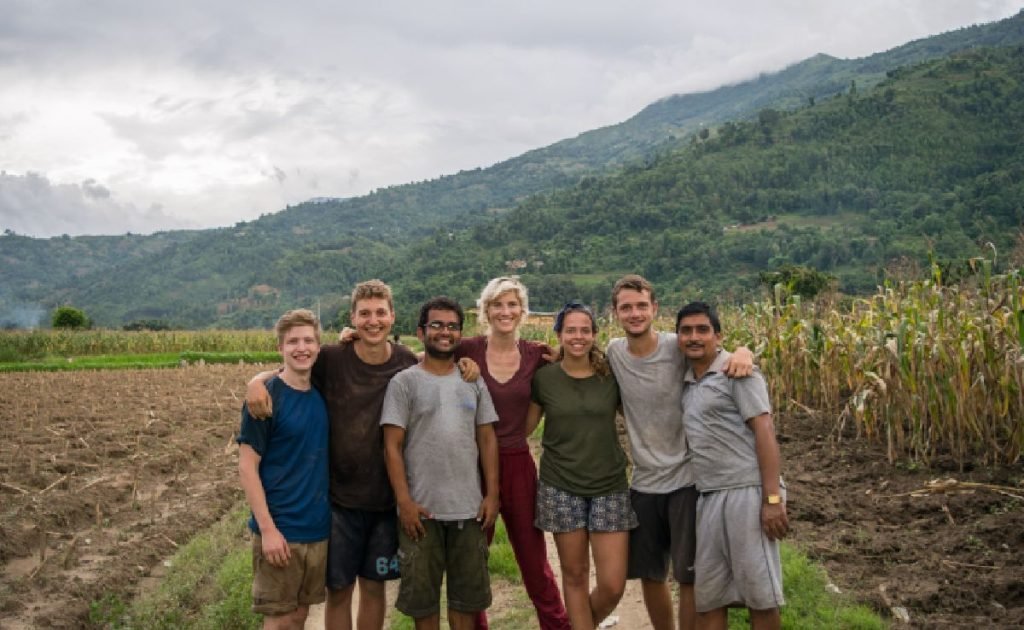
Unlike resorts or tourist attractions, a homestay lets your family slow down and just be together. You have access to a full kitchen, which makes meals easier and cheaper when you have picky eaters. Children can move around freely without the worry of disturbing other guests. Hosts often share insider knowledge about the local area that you will not find in any guidebook, and the calm atmosphere is especially good for babies, toddlers, and kids who get overwhelmed easily in busy places.
That kind of quality time is hard to find when you are rushing between activities on a packed itinerary. A homestay lets you set your own schedule and be fully present as a family, which is often the part everyone remembers most.
How to Check If a Homestay Is Safe for Your Family Before You Book
Before you arrive, taking a few minutes to check the property details can save a lot of stress. Not every homestay is set up the same way, and some spaces work better for families than others.
Reach out to the host before booking and ask a few simple questions. Most hosts are happy to share details and will appreciate that you are being careful. Ask if the property has fencing around the garden or yard, and check whether there are open stairs, sharp edges, or water features like ponds that could be a hazard for toddlers. It is also worth asking if baby supplies like a high chair or baby bath are available, or if you need to bring your own.
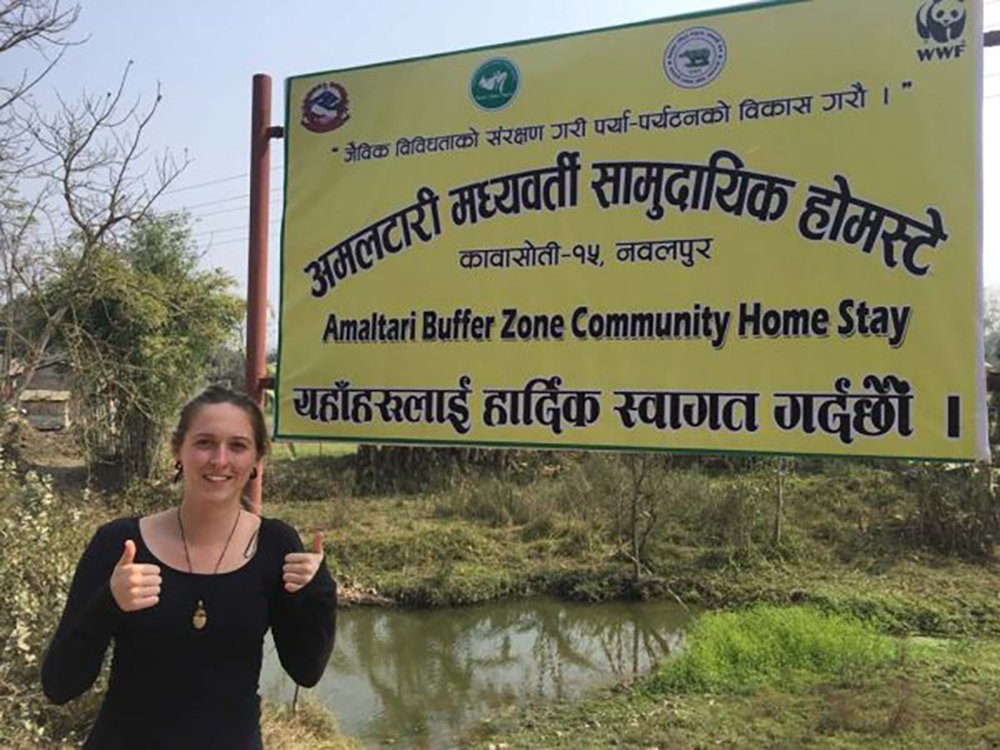
Reading reviews from other families who have stayed there is one of the most reliable ways to get an honest picture of the space. Look for mentions of bedroom size, sleeping arrangements, and how the host handled families with young children. Finally, note the distance from the nearest hospital or urgent care clinic, not because you expect anything to go wrong, but because knowing it is nearby gives real peace of mind.
Outdoor Activities the Whole Family Will Enjoy
Most homestays come with some form of outdoor space, whether that is a small balcony, a large garden, or a nearby park. Getting outside is one of the easiest ways to keep kids happy and burn off energy, and the best part is that it costs almost nothing.
Getting outside does not require any planning or spending money. Here are some simple outdoor activities that work well at almost any homestay:
Set up a scavenger hunt in the garden using items from nature like a smooth stone, a yellow leaf, or a feather.

Play classic games like tag, hide and seek, or catch that need no equipment and work for all ages.
Try simple gardening tasks with the host's permission, like watering plants or collecting fallen fruit, which young children find surprisingly fun.
Go on a short nature walk nearby and look out for birds, insects, and plants your kids have never seen before.
Watch the sunset or sunrise together from the garden, something that sounds small but often becomes a favourite memory from the whole trip.
Indoor Activities That Keep Kids Engaged on Rainy Days
Rain happens, especially if you are travelling somewhere new. Having a few indoor activity ideas ready means a wet afternoon does not have to ruin the day. Homestays often have games, books, and comfortable spaces that hotels simply do not offer, which makes staying in feel much less like a disappointment.
Board games and card games are easy wins because most homestay hosts have a few lying around, and if you ask they are usually happy to let you use them. Puzzles work well too, especially for mixed ages, since everyone can contribute at their own pace. For something more creative, set up a simple art project using paper and pens from your bag. Kids can draw a map of the homestay, sketch the view from the window, or make birthday cards for people back home.
Cooking Together: One of the Best Homestay Activities for Families
One of the biggest advantages of a homestay over a hotel is having access to a real kitchen. Cooking together as a family is fun, educational, and it saves money on meals. Kids as young as three can join in with simple tasks, and older children can take on bigger roles that make them feel genuinely helpful.
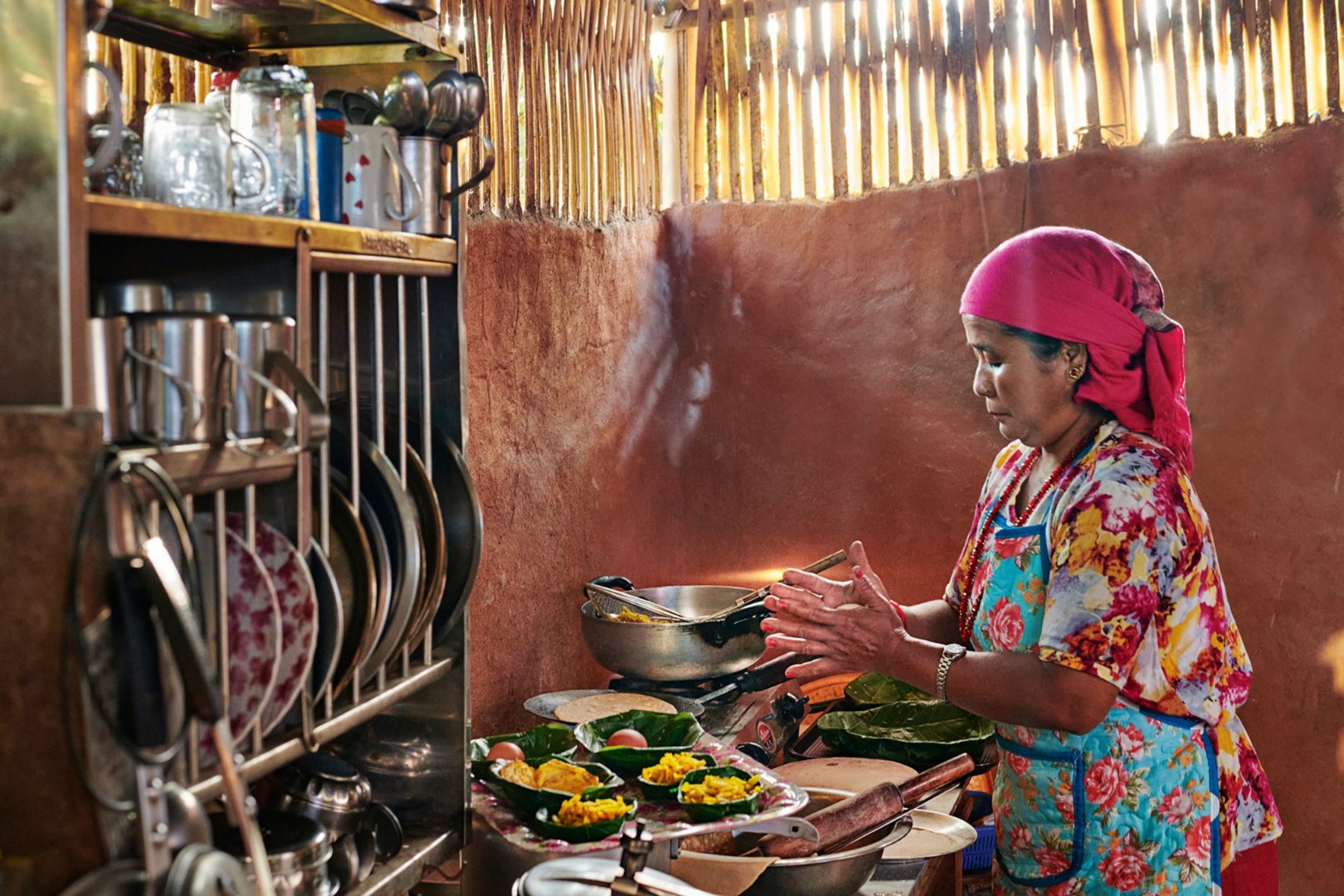
Start the experience before you even turn on the stove. Visit a local market together in the morning and let each child pick one ingredient for the meal. This turns grocery shopping into an adventure and gives children a real sense of ownership over what ends up on the table. Here are some easy ways to get everyone involved:
Let younger children tear salad leaves, wash vegetables, or stir cold mixtures while older kids chop soft ingredients or measure spices.
Try baking banana bread or cookies together, since measuring, mixing, and waiting for something to rise in the oven keeps kids genuinely engaged.
Ask your host to recommend a traditional local recipe and try making it together as a family.
Take photos of each step and put together a simple "family recipe book" as a keepsake from the trip.
That one meal, made with local ingredients, learned from a local person, and cooked as a family, often becomes the story everyone tells when they get home.
Cultural Activities That Connect Your Family With the Local Community
Staying in a homestay gives you a chance to experience a place in a way that most tourists miss entirely. When you engage with the local culture, even in small ways, it teaches children to be curious, open-minded, and respectful of people who live differently from them.
One of the simplest things you can do is ask your host to teach you a few words or phrases in the local language. Children find this hilarious and fun, and they tend to remember those words long after the trip ends. Visiting a local market, bakery, or food stall and trying something you have never eaten before is another easy way to step outside your comfort zone together as a family.
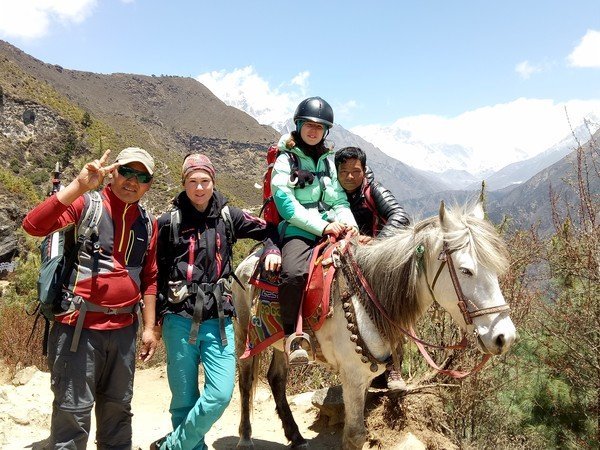
If a community event, festival, or local celebration is happening during your stay, try to attend even briefly. You do not need to understand everything to appreciate it. Learning about a local craft like weaving, pottery, or traditional cooking through your host's guidance is also a meaningful way to spend an afternoon, and it gives children a hands-on experience they cannot get in a classroom. Encouraging kids to journal or draw what they observe each day helps them process new experiences and creates a personal record of the trip that is far more meaningful than any souvenir.
Activities for Different Age Groups: A Quick Guide
Not every activity works for every age. A toddler and a teenager have very different needs, so it helps to plan a mix of activities that everyone can enjoy at their own level. The goal is not to keep everyone perfectly entertained at every moment. It is to create a shared experience where each person feels included.
When ages are very different, look for activities that have flexible roles. Cooking works well because a three-year-old can wash vegetables while a twelve-year-old manages the stove. A nature walk works because a toddler can toddle while a teenager photographs interesting things along the path. The shared experience matters more than whether everyone is doing exactly the same thing.
How to Create a Simple Daily Routine at a Homestay
Having a loose routine helps children feel settled in a new place. You do not need a strict schedule, but having a rhythm to the day reduces friction and makes everything flow more smoothly. It also means you spend less time every morning arguing about what to do next.
A good pattern for most families is to start the day slowly with breakfast cooked together or picked up from a nearby local bakery. Morning time, when energy is highest, works well for outdoor activities, a trip to the market, or some cultural exploration. Coming back for lunch and a quiet rest in the middle of the day is especially important for younger children and for parents who need a moment to breathe.

The afternoon is a good time for indoor activities, creative projects, or a short walk if the weather allows. Ending the evening with a shared meal, a board game, or a relaxed movie together winds the day down gently and gives everyone something to look forward to. This kind of rhythm does not feel like a strict timetable, but it shapes the day just enough to make the whole stay feel more relaxed and intentional.
Tips for Making the Most of Your Family Homestay
Small actions before and during your trip can make a big difference in how much your family actually enjoys the stay. Most of these cost nothing and just require a little thought ahead of time.
The families who have the best homestay experiences are the ones who arrive with an open mind and a willingness to slow down. A few practical things that go a long way:
Pack a small activity bag for each child with colouring books, pencils, a card game, and a journal so they have something to reach for during quiet moments without defaulting to a screen.
Talk to your host before you arrive and share the ages of your children so they can suggest suitable local activities or adjust the space to be more comfortable.
Set a short screen-free window each day, even just one hour, and fill it with something from this guide.
Involve your children in the daily planning by letting each person choose one activity, since kids who feel heard tend to be far more enthusiastic about joining in.
Bring a simple first aid kit with plasters, antiseptic, and any medicines your family regularly uses.
Be flexible too. Some of the best moments on family trips happen when a plan falls through and you have to improvise together.
Conclusion: Make Your Family Homestay Something to Remember
Family-friendly activities in homestays do not need to be complicated or expensive. The most memorable moments usually come from simple things: cooking a meal together, exploring a garden, learning a new word in a different language, or just sitting outside watching the stars.
A homestay gives your family the time and space to actually be together, away from screens and schedules. That is rare, and it is worth making the most of. Start with one or two ideas from this guide, stay flexible, and let your children lead the way sometimes. You might be surprised at how much fun a simple afternoon can be when you are all present and in a new place together.
FAQ: Family-Friendly Activities in Homestays
What are the best activities for toddlers at a homestay?
Toddlers do best with simple sensory activities like water play, digging in a garden, or exploring nature on a short walk. Indoor activities like drawing, playing with pots and pans in the kitchen, or stacking blocks also work well. The key is to keep things simple and follow the child's lead.
Are homestays safe for families with young children?
Homestays can be very safe for families with young children, but it depends on the property. Before booking, check with the host about potential hazards like open stairs, pools, or unfenced areas. Reading reviews from other families who have stayed there is also a great way to get an honest picture of the space.
How do I keep teenagers happy at a family homestay?
Teenagers usually enjoy having some independence. Give them a small task or project, like being in charge of photography for the trip or planning one meal. Activities like exploring the local area, going to a nearby cafe, or joining a local event can also help them feel engaged rather than bored.
What should I pack for a family homestay trip?
Pack a small activity kit for each child with colouring books, pencils, card games, and a small toy or two. Bring a basic first aid kit and any medicines you need. If your child has special dietary needs, pack some snacks from home as a backup. A portable night light can also help young children sleep better in an unfamiliar space.
Can we cook at a homestay with kids?
Yes, most homestays have a full kitchen that guests can use. Cooking together is actually one of the most popular family activities at a homestay. Just check with your host about any rules around kitchen use before you start, and always supervise young children around the stove and sharp utensils.
How do we find family-friendly homestays?
Look for homestays that specifically list themselves as family-friendly on booking platforms. Read recent reviews from families with children, and look for mentions of things like extra beds, high chairs, or a safe outdoor space. Reaching out to the host directly before booking is always a good idea so you can ask specific questions.
What is the best age for kids to start enjoying homestays?
Children of all ages can enjoy homestays, but families with children aged four and up tend to find it easiest. Younger children do fine too, especially if the host is accommodating and the space is safe. The real advantage of a homestay is the flexibility it gives you, which works well for families at any stage.
Company Admin
Travel writer sharing authentic stories and experiences from Nepal's beautiful homestays.