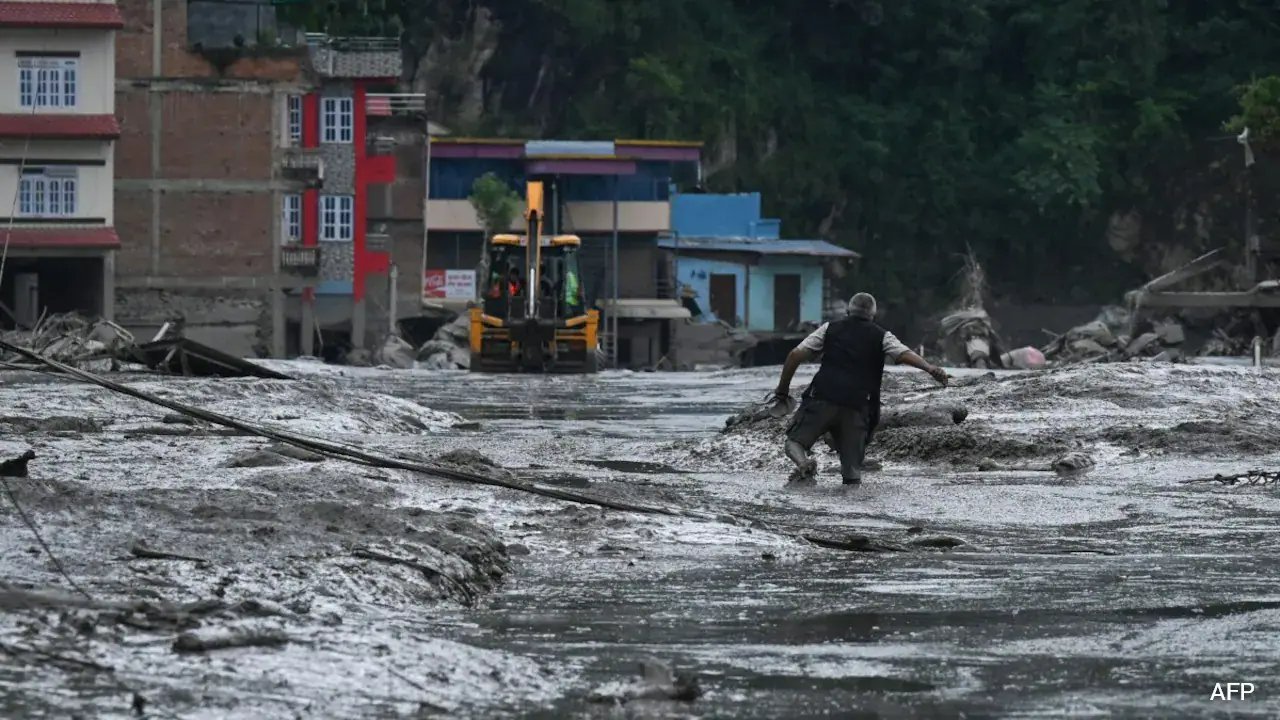
Nepal's August 2026 floods caused an estimated $4 to $5 billion in damage and cancelled 20% of autumn bookings within a week. This blog explains why visiting now, staying local, and spending directly with families is one of the most effective forms of economic recovery available.
Last updated: September 16, 2026
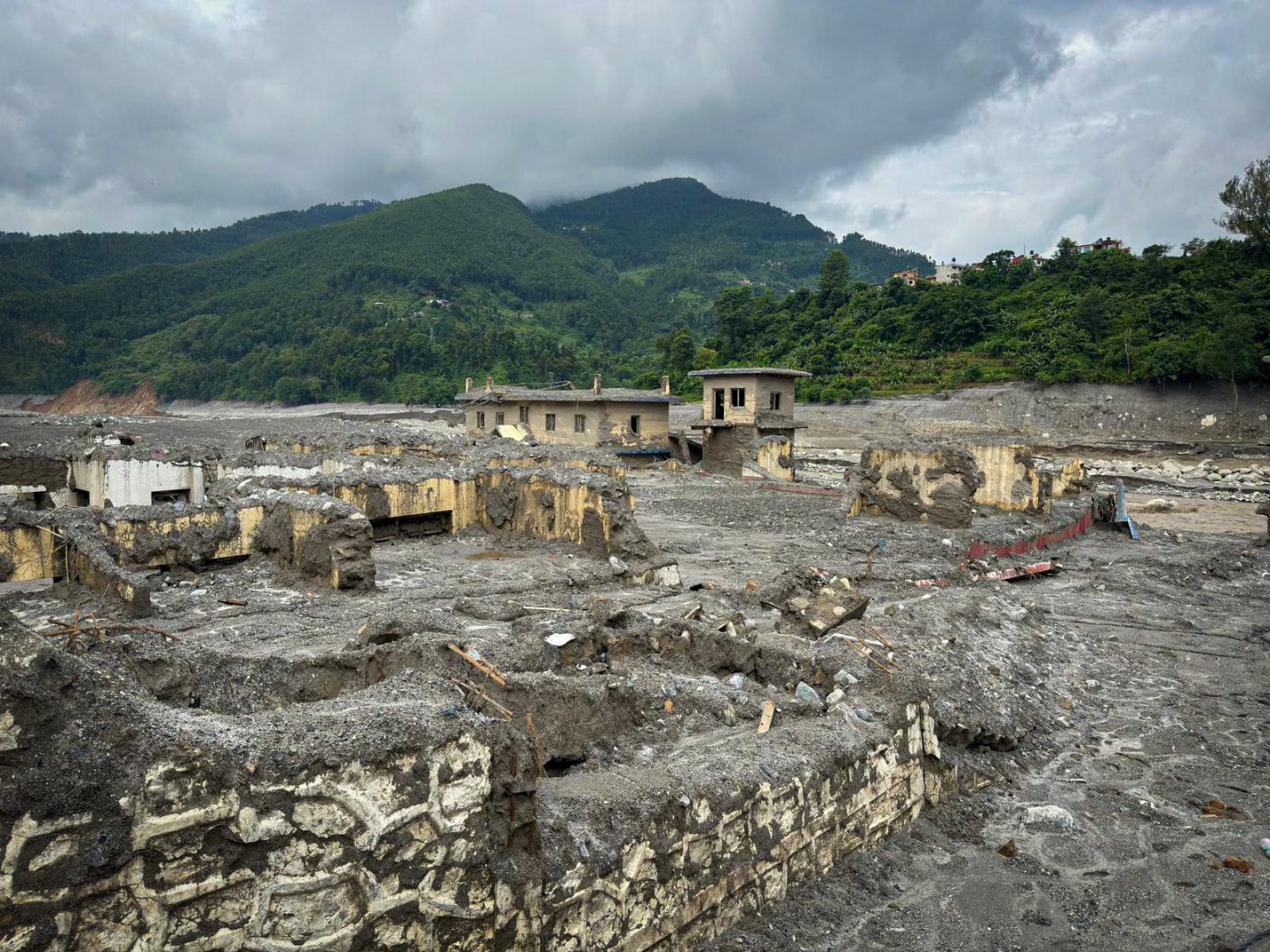
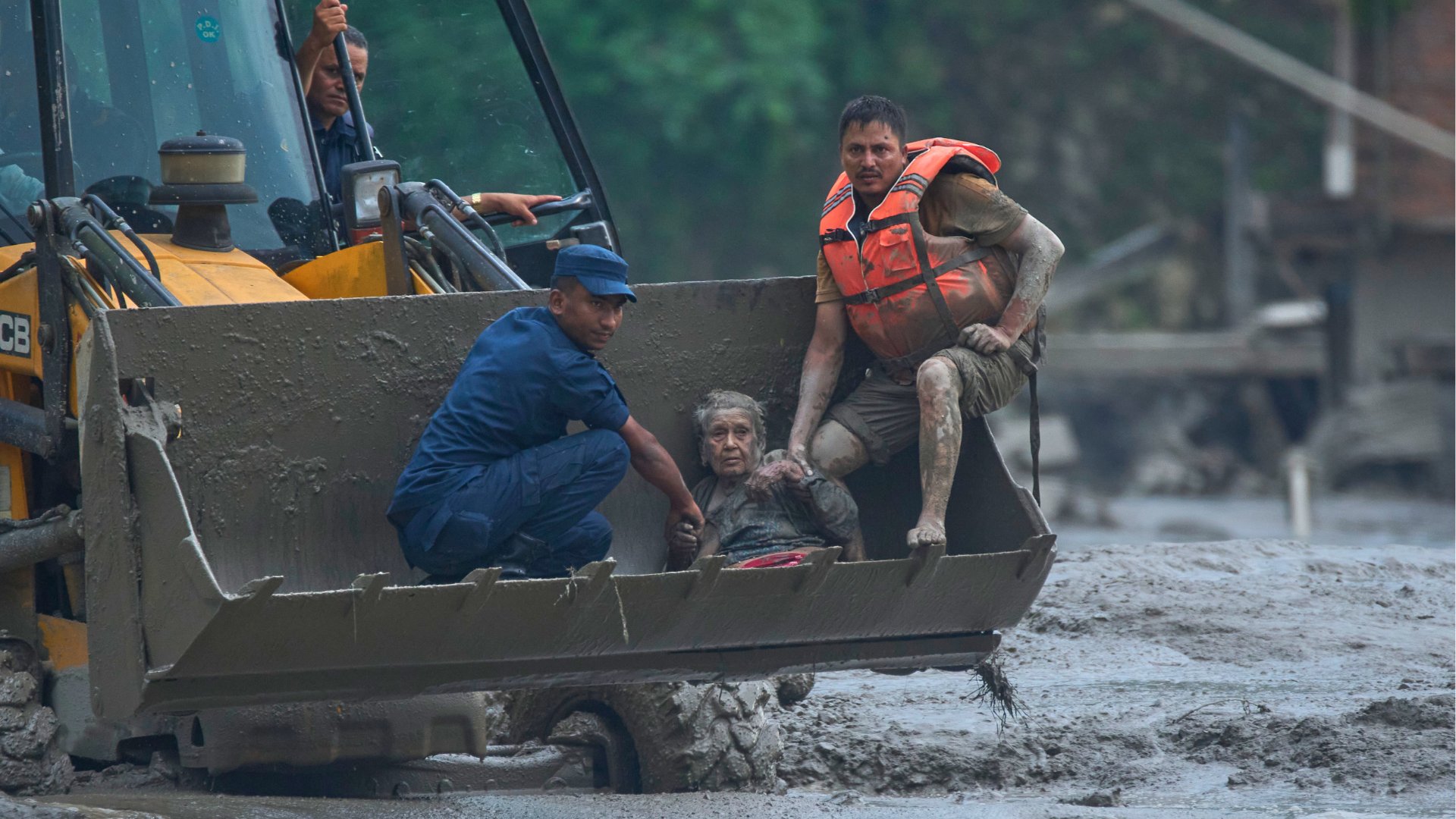
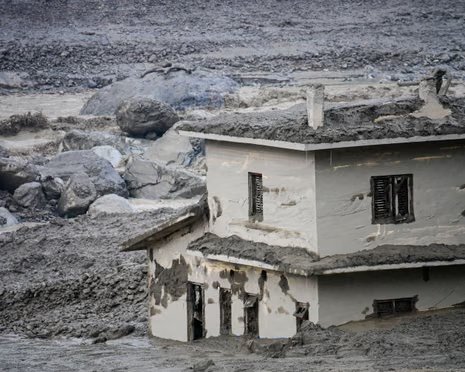
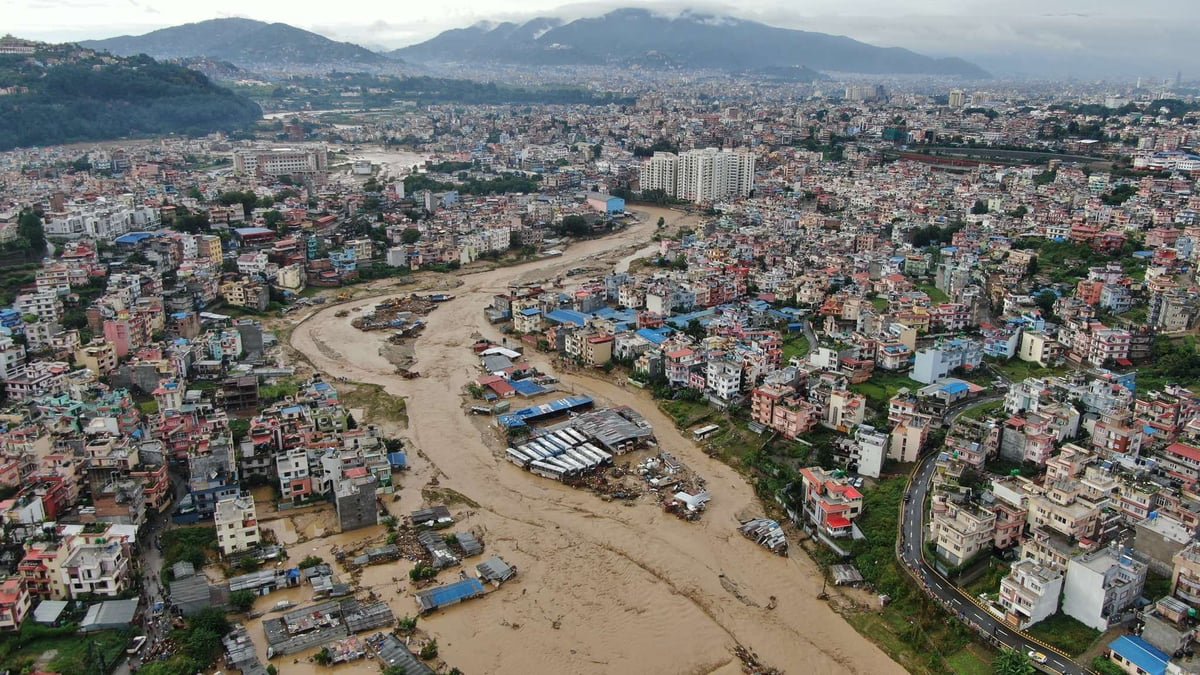
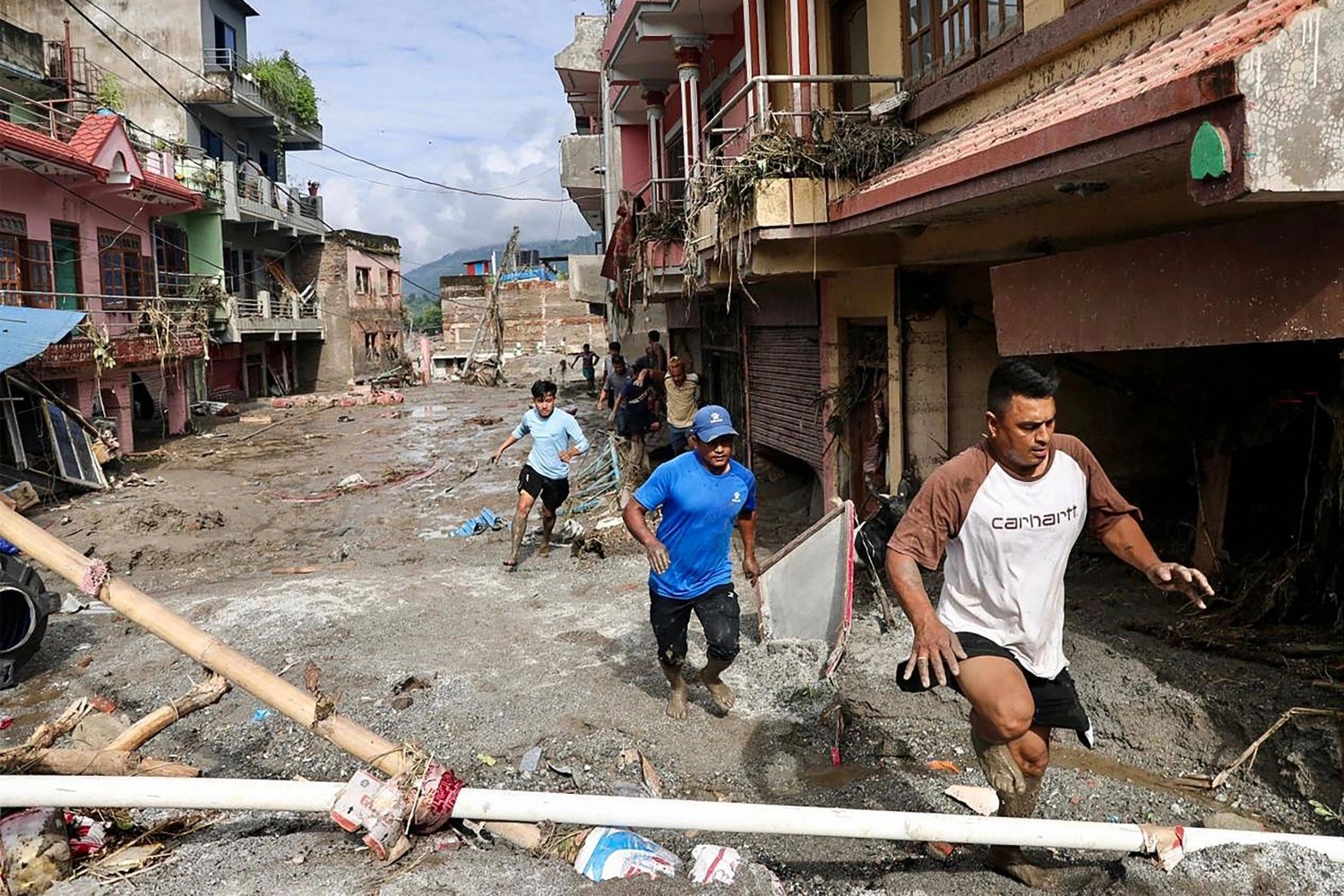
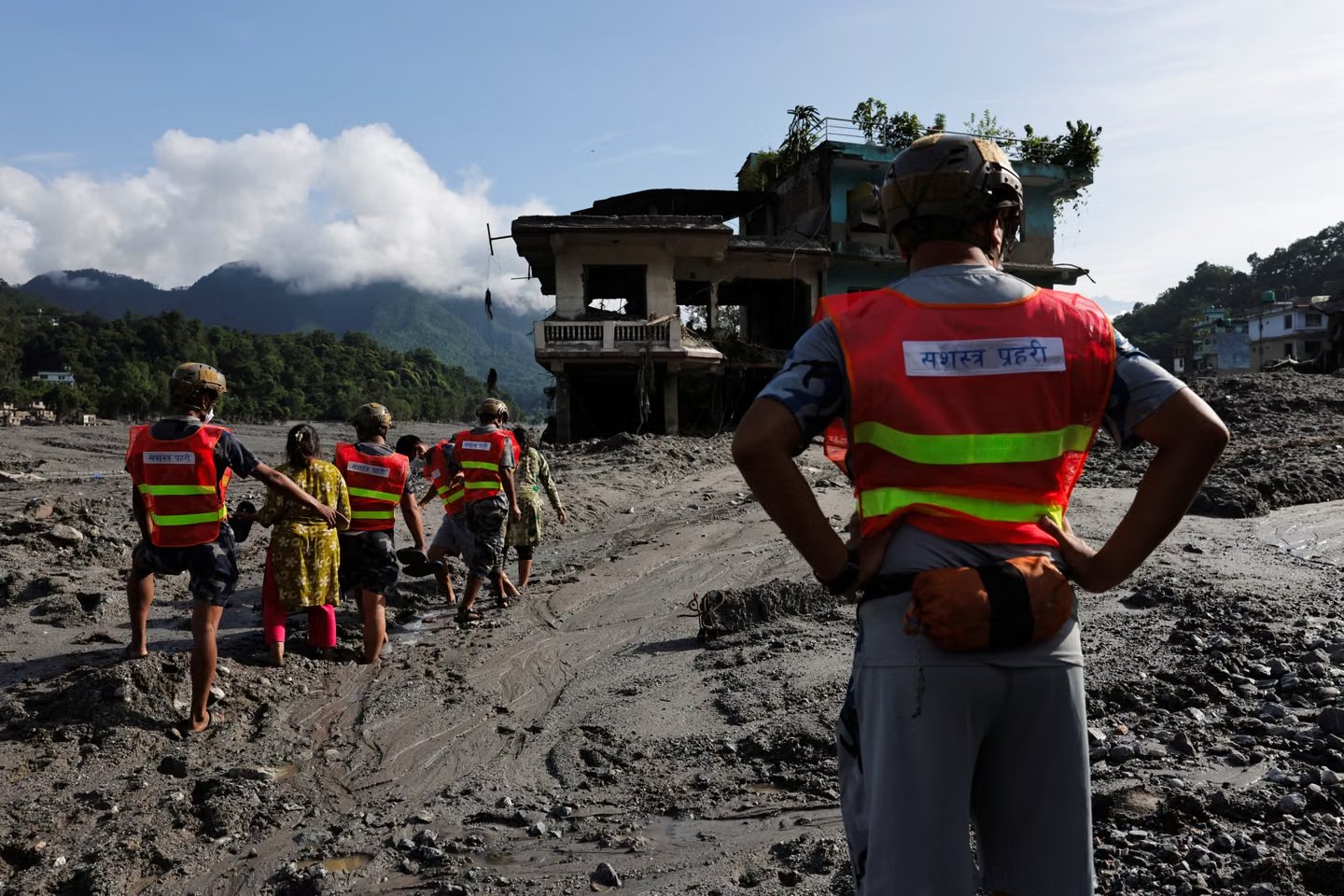
In late August 2026, a glacial collapse on Langtang Lirung peak sent a torrent of water, mud, and debris through the Bhotekoshi and Trishuli river systems. Towns in Nuwakot district were buried in sediment. Roads, bridges, and hydropower infrastructure that had taken years to build were gone in hours. The confirmed death toll has surpassed 1,300 with nearly 5,000 still missing as of mid-September 2026. The Finance Minister put the rebuilding cost at $4 to $7 billion, roughly a tenth of the entire Nepali economy.
Within one week, 20% of autumn bookings had been cancelled. One hostel owner in Thamel told CNBC he was expecting 60% occupancy for the peak season, half of what he had the previous year. For a country where tourism contributes 6.7% of GDP and supports over one million jobs, those numbers are not just bad news for an industry. They are bad news for families.
This is not an appeal for pity. It is an argument about how economies work.
TL;DR
The August 2026 floods, triggered by a glacial collapse on Langtang Lirung, caused an estimated $4 to $7 billion in damage and hit Nepal at the start of its most important tourism season
Kathmandu, Pokhara, Chitwan, Bardiya, and most trekking circuits are open and operating normally
Tourism contributes 6.7% of Nepal's GDP and supports over 1 million jobs directly and indirectly
Cancelling your trip does not protect you from anything. It removes income from the families who need it most
Staying in a community homestay means 85 to 95% of your spending stays in the local economy
The most useful thing most travelers can do right now is come
At a Glance: Nepal After the 2026 Floods
Figures as of September 16, 2026. The situation is evolving. Check the Nepal Tourism Board for the latest updates on route accessibility and affected areas.
What Actually Happened
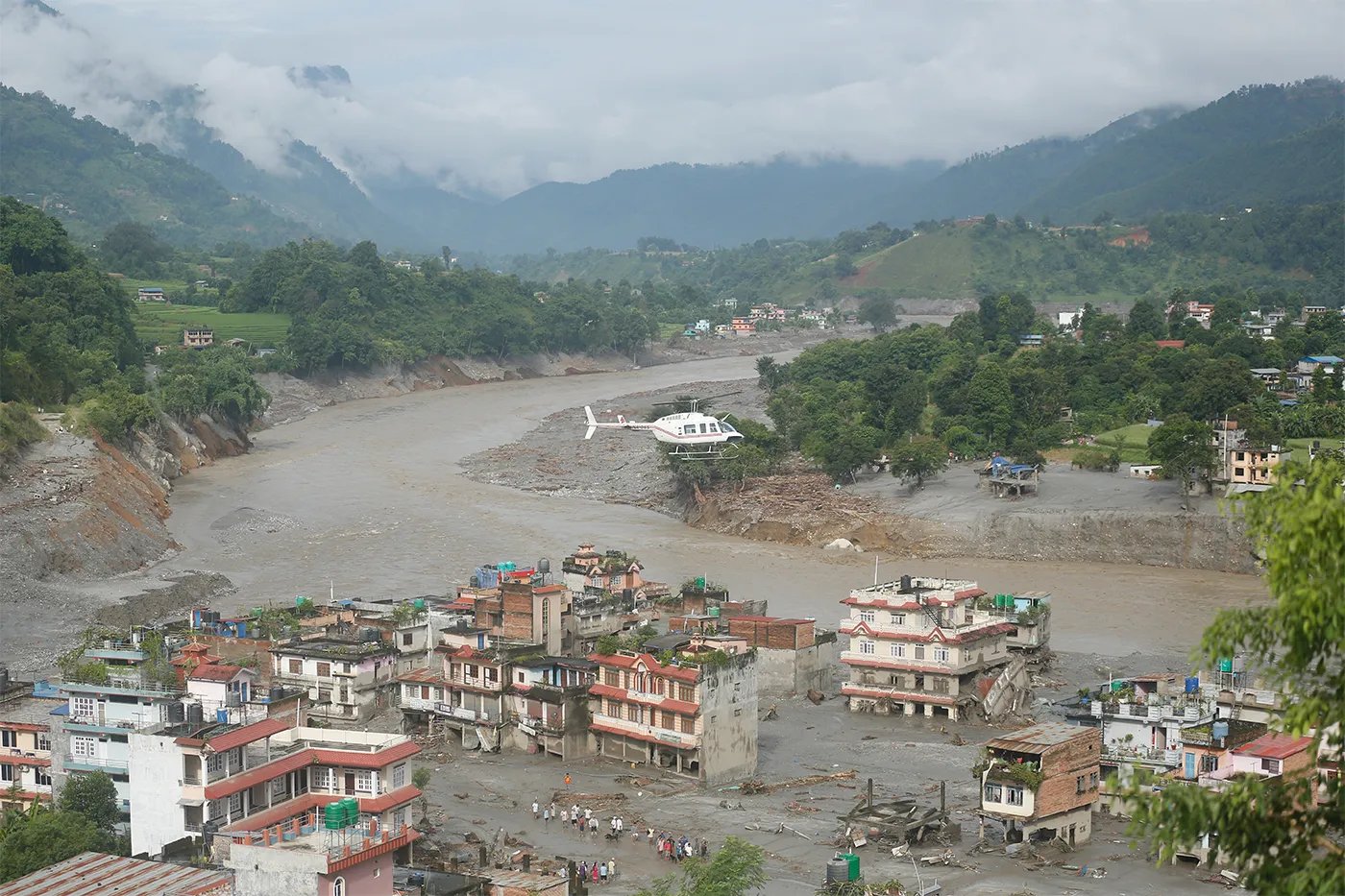
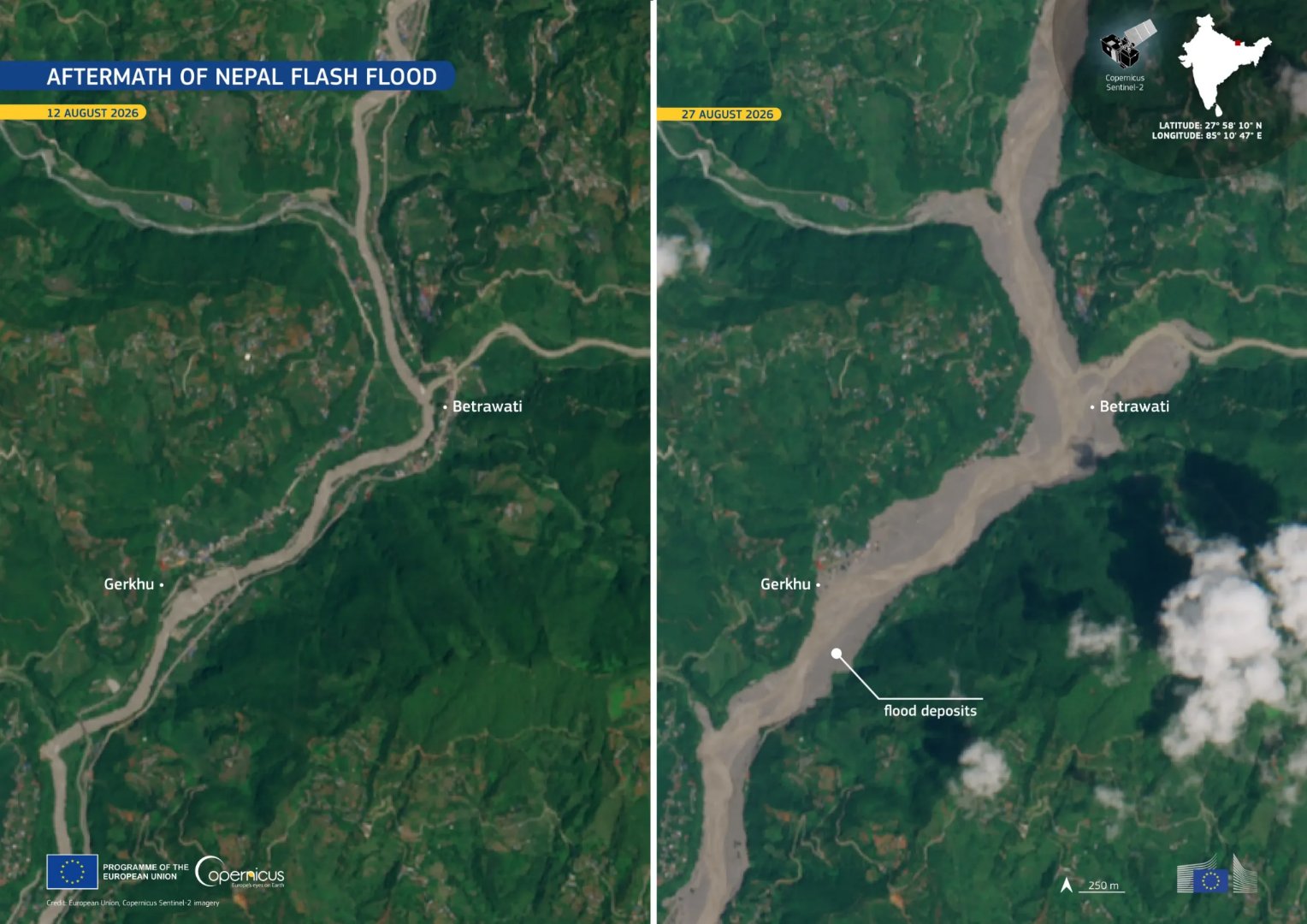
The August 2026 floods were triggered by a partial glacial collapse on Langtang Lirung peak. The collapse sent a torrent of water, mud, and debris through the Bhotekoshi and Trishuli corridors near the Tibet border. The Langtang Valley was cut off after sections of its access road collapsed. Nuwakot district, including Trishuli Bazar and Betrawati, was among the hardest hit. A family hotel in Betrawati that was earning up to NPR 30,000 per day during peak season was swept away entirely. The family survived by moving uphill. The building was not near the river.
Nepal was already in a fragile position before the floods. The Gen Z-led political protests in September 2025 caused losses estimated at over 25 billion rupees in the tourism sector alone. The World Bank's April 2026 Nepal Development Update projected GDP growth of only 2.3% for FY26, below what is needed to sustain the country's development trajectory.
The floods landed on top of that. And then, predictably, the bookings started cancelling.
The Geography of the Damage
This is the part that gets lost in news coverage. Nepal is not a small country where damage in one valley means the whole country is unreachable.
The affected areas are in the northern river corridors near the Tibet border. Here is what is open and operating normally right now:
Kathmandu and the Kathmandu Valley - fully open. Nagarkot, Dhulikhel, Chitlang, Dalchoki, Nuwakot town itself, all accessible.
Pokhara and the Annapurna region - fully open. Ghandruk, Sikles, Kaskikot, the Annapurna Circuit, the Pokhara to Ghandruk trail, all operating.
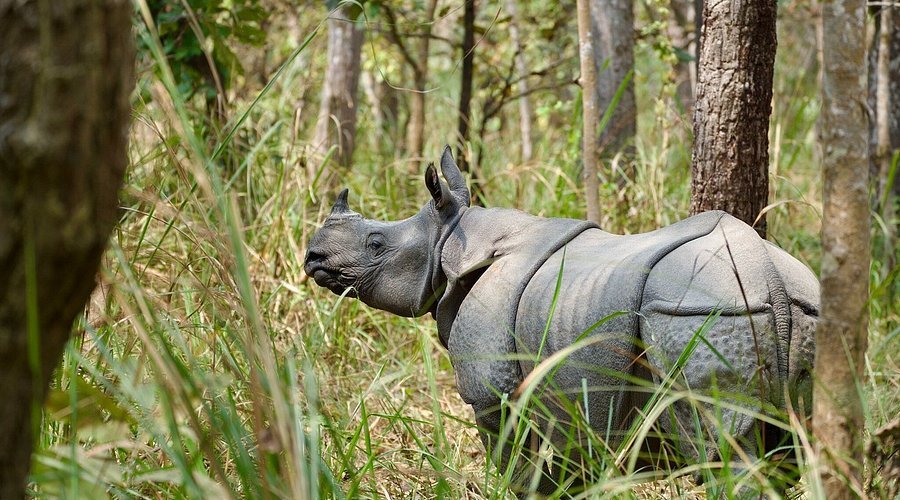
Chitwan and Bardiya - fully open. The Tharu villages, the national parks, the jungle safaris, all running.
Eastern Nepal - fully open. Ilam, Namje, Sirubari, the tea gardens, all accessible. The red panda trails and eastern Nepal homestays in Ilam district are running normally.
Mustang and Jomsom - open. Flights from Pokhara operating.
The Nepal Tourism Board has confirmed that major trekking circuits including the Everest, Annapurna, and Langtang regions are largely open, with Langtang being the only significant exception due to access road damage. For a full breakdown of which trekking regions require permits and what access looks like right now, the Nepal trekking regions and homestays permit guide has current information on entry requirements across all circuits.
How Tourism Money Actually Works
When you book a hotel in Thamel, a significant portion of what you spend leaves Nepal. It goes to international booking platforms, to supply chains that run through Kathmandu middlemen, to imported goods stocked by international-brand hotels.
When you stay in a community homestay, the economics are different. Studies on community-based tourism in Nepal consistently show that 85 to 95% of spending in a homestay goes directly to the host family and the local economy. The accommodation payment goes to the family. The food comes from their kitchen garden. The guide is a neighbor whose income stays in the same village. Nothing leaks to a platform headquartered in Amsterdam or a hotel chain with shareholders in Singapore.
This is why the community homestay model in Nepal was always designed as a development tool, not just a tourism product. The evidence for this is well-documented: homestays turn women's invisible household work into real income, fund rural school infrastructure and scholarships, and generate a lower environmental footprint than conventional hotel stays. The full economic argument is made in detail in why homestays are Nepal's most powerful development tool. The families running these stays do not have an alternative income source that absorbs the loss when bookings drop. A cancelled October means a harder winter.
What the Families Actually Need
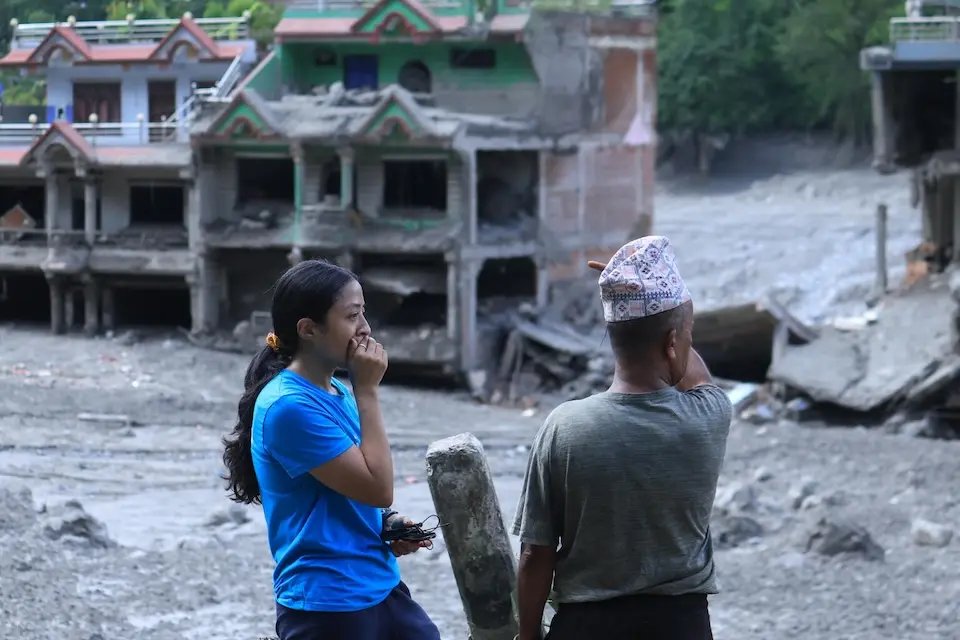
Milan Shrestha's family hotel in Betrawati is gone. His family survived. The land is still there. The community is still there. What rebuilding requires is not donations, though those help. What it requires most is the restoration of the economic activity that was supporting those communities before the disaster.
A traveler who comes to Nepal in October 2026, stays three nights in a community homestay in Chitwan, eats at local restaurants, and hires a local guide for a jungle walk, has put more money into the local economy than most donation campaigns reach at the household level.
The Tharu community homestays in Chitwan and Bardiya were not affected by the floods. The families are there, the properties are open, and the safari circuits are running. The same is true for the Gurung villages around Pokhara, the eastern Nepal hill circuits, and the southern Nepal cultural destinations like Lumbini and Janakpur, which draws hundreds of thousands of pilgrims every November for Vivah Panchami and is entirely unaffected.
What a Responsible Visit Looks Like
Coming to Nepal right now is not complicated. The complete Nepal homestay visitor guide covers everything you need to know before arriving, from booking to cultural etiquette. A few practical things specific to the current situation:
Verify before you book, not after. The Nepal Tourism Board updates route accessibility as rescue and repair work progresses. Langtang is the one circuit to hold off on. Everything else is open. Checking takes five minutes and avoids cancelling a trip that did not need to be cancelled.
Book directly, not through platforms. International booking platforms take 15 to 25% before a rupee reaches the host. In normal times that is an inconvenience. Right now, with families who lost a peak season income, that margin is the difference between a useful booking and one that mostly benefits a company in Amsterdam. Nepal Homestays connects you directly to the family.
Stay longer if you can. An extra two nights costs most international travelers less than a dinner out at home. For a family running a homestay, it is a month of school fees. This is the easiest lever available to any traveler who has flexibility in their itinerary.
Spend where you sleep. Hire your guide through your homestay host, not a Thamel agency. Eat at the tea shop next to the property, not the tourist restaurant on the main road. The money you spend on food, guides, and local transport is often more valuable than the accommodation cost itself because it moves through more hands in the same community.
The Argument in Plain Language
Nepal's autumn tourism season accounts for nearly 40% of annual foreign arrivals. When 20% of those bookings cancel because of news coverage of floods in a region that is not on most tourist itineraries, the damage from the media response exceeds the damage from the actual event for most communities.
The families in Pokhara, Chitwan, Sirubari, Namje, and Ilam did not experience the August 2026 floods in their homes. They are experiencing them in their booking calendars.
You going to Nepal in October is not a sacrifice. It is a normal trip to one of the world's most rewarding travel destinations that happens to coincide with a moment when the income from that trip matters more than usual.
Nepal's Tourism Minister said it directly in his "Nepal Calling" campaign: "You coming to Nepal now is not just for a holiday. It is also a great help to the country."
He is right. But the case does not even need to be made as a request for help. Nepal is open. October is the best month of the year to be there. That is a straightforward travel recommendation, and it happens to also be the most useful thing most travelers can do for the communities affected.
Final Thought
The most useful thing most travelers can do right now is come. Not to flood-affected areas that are still recovering their access routes. To the places that are open, ready, and need visitors to show up.
Browse verified community homestays across Nepal on Nepal Homestays and book directly with the host family. Your October booking is worth more than you think.
Frequently Asked Questions
Is Nepal safe to visit right now?
Yes. Kathmandu, Pokhara, Chitwan, Bardiya, Mustang, and eastern Nepal are fully open and operating normally. The flood damage was concentrated in the northern river valleys near the Tibet border, particularly Langtang and parts of Nuwakot district. Most trekking circuits are unaffected.
Which areas should I avoid after the 2026 floods?
Langtang Valley access is currently limited due to road damage. The Trishuli Bazar and Betrawati area in Nuwakot district was heavily affected. Check the Nepal Tourism Board website for current route accessibility before finalising your itinerary.
Why does visiting Nepal help with flood recovery?
Tourism contributes 6.7% of Nepal's GDP and supports over 1 million jobs. When bookings cancel, income stops reaching the families who were not directly affected by the floods but depend on the tourism economy. Visiting, staying locally, and hiring local guides restores that income stream directly.
Is it better to donate or visit Nepal?
Both have value. A donation to a credible relief organisation helps emergency response. A tourist visit restores the ongoing economic activity that sustains communities over the medium and long term. They address different phases of recovery.
Which homestays are open and accepting bookings?
All verified homestays on Nepal Homestays in Kathmandu, Pokhara, Chitwan, Bardiya, Syangja, eastern Nepal, and Mustang are open. Browse current availability and book directly at Nepal Homestays.
What is the best time to visit Nepal for flood recovery support?
October and November 2026. This is Nepal's peak tourism season, accounts for nearly 40% of annual foreign arrivals, and is when the income from visitor spending matters most for host families.
Company Admin
नेपालका सुन्दर होमस्टेहरूबारे सच्चा कथा र अनुभव साझा गर्ने यात्रा लेखक।