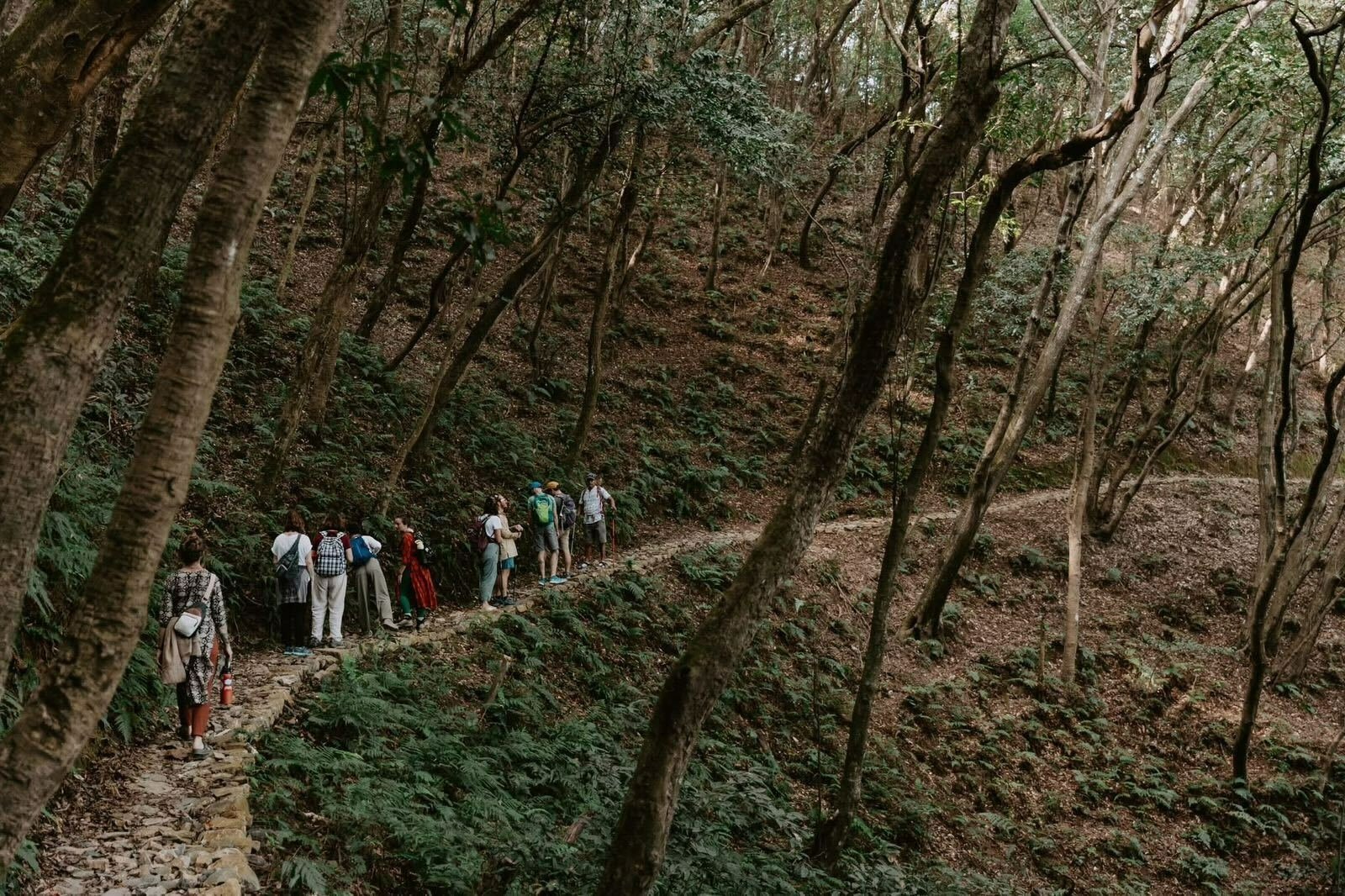
Slow travel in Nepal invites you to slow down, stay in village homestays, share meals with local families, and experience daily life beyond tourist routes. Discover the best destinations, what a homestay is like, costs, and a simple 7-day itinerary for a deeper journey.
Most travelers who visit Nepal come back saying the same thing: they wish they had stayed longer.
Not because they ran out of sights to see. But because somewhere between a home-cooked meal with a host family and a sunrise walk through rice terraces, Nepal stopped feeling like a trip and started feeling like something else entirely.
That is what slow travel in Nepal does to people.
Slow travel here means choosing a village over a packed itinerary. It means spending four nights in Bandipur instead of four hours. It means learning to make dal bhat from scratch, joining a harvest, or sitting on a porch watching the Himalayas turn pink at dusk with nowhere else to be.
This guide covers everything you need to plan a meaningful slow travel trip to Nepal:
What slow travel in Nepal actually means
The best villages and regions for slow travel
What a Nepal homestay experience is really like, and how to get there from Kathmandu
A sample 7-day itinerary, costs, and the best time to go
What Slow Travel in Nepal Means
Slow travel grew from the Slow Food movement in Italy during the 1980s. The idea is simple: travel to fewer places, spend more time in each one, and connect with local people and culture instead of ticking off a list of sights.
In Nepal, slow travel means staying in a village homestays for several nights instead of one, joining your host family for meals and daily tasks, learning something you could not learn anywhere else, and leaving with a real sense of having been somewhere rather than just passed through it.
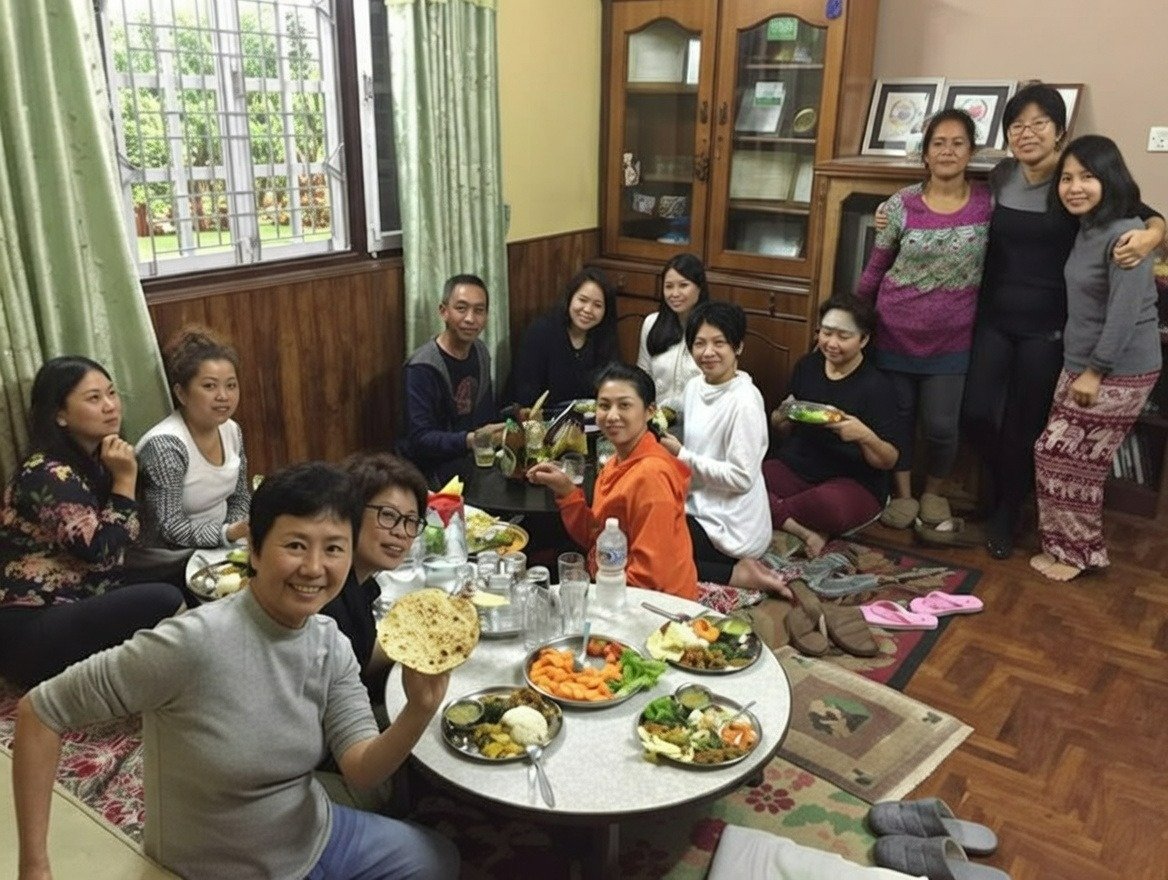
Many travelers are choosing this style of travel because they want deeper cultural experiences instead of rushed itineraries. Staying longer in one place allows you to build real connections, enjoy local food, and experience everyday life in a way that no tour bus or hotel lobby ever could.
Why Nepal is Perfect for Slow Travel
Nepal is not a country that rewards rushing. The terrain slows you down. The culture invites you to stay. The people make you feel like leaving is a shame.
Here is why Nepal is one of the best places in the world to travel slowly:
Nepal has over 3,000 village communities spread across the Himalayas, mid-hills, and the Terai lowlands, most of which tourists never visit.
The country's culture is built around community, hospitality, and a rhythm of seasons, harvests, and festivals that only make sense if you stay long enough to witness them.
Nepal has a well-developed network of community homestays and village tourism programs built specifically for slow travelers.
Around 97% of Nepal's tourism income currently goes to large companies rather than local families. Choosing to travel slowly through homestays and village stays directly changes that.
Best Slow Travel Destinations in Nepal
Bandipur: A Car-Free Heritage Village
Bandipur is a restored Newari hill town sitting between Kathmandu and Pokhara, about 6 hours by bus from the capital. The village has no cars, preserved stone streets, and wide views of the Annapurna and Dhaulagiri ranges.
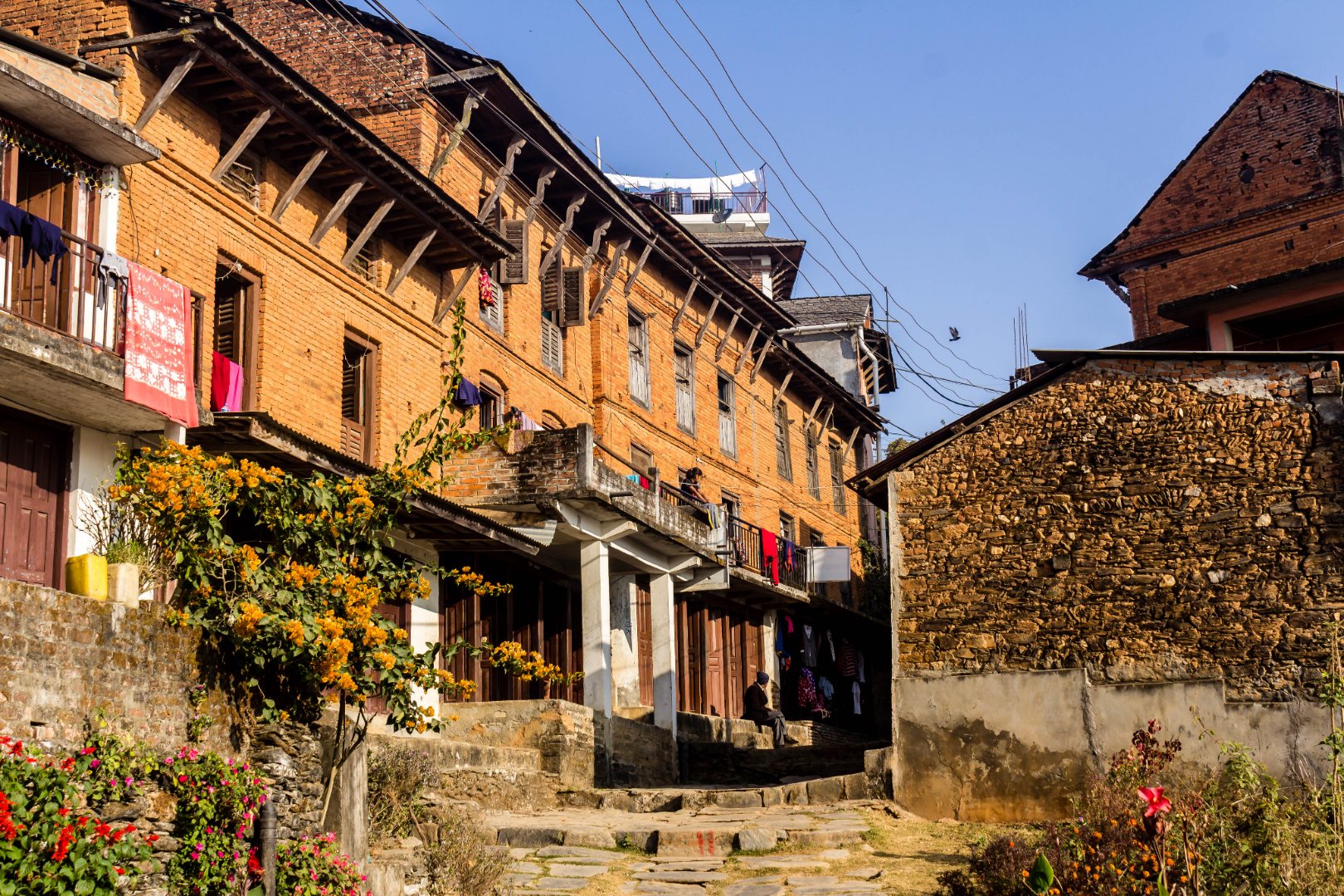
Slow travelers love Bandipur for its old bazaar, quiet morning walks, and the Thani Mai temple hike at sunrise. Local homestays let you stay inside centuries-old Newari homes and eat meals cooked on wood fires.
Bandipur is ideal for travelers who want culture, photography, and a completely relaxed village atmosphere without going too far off the main route.
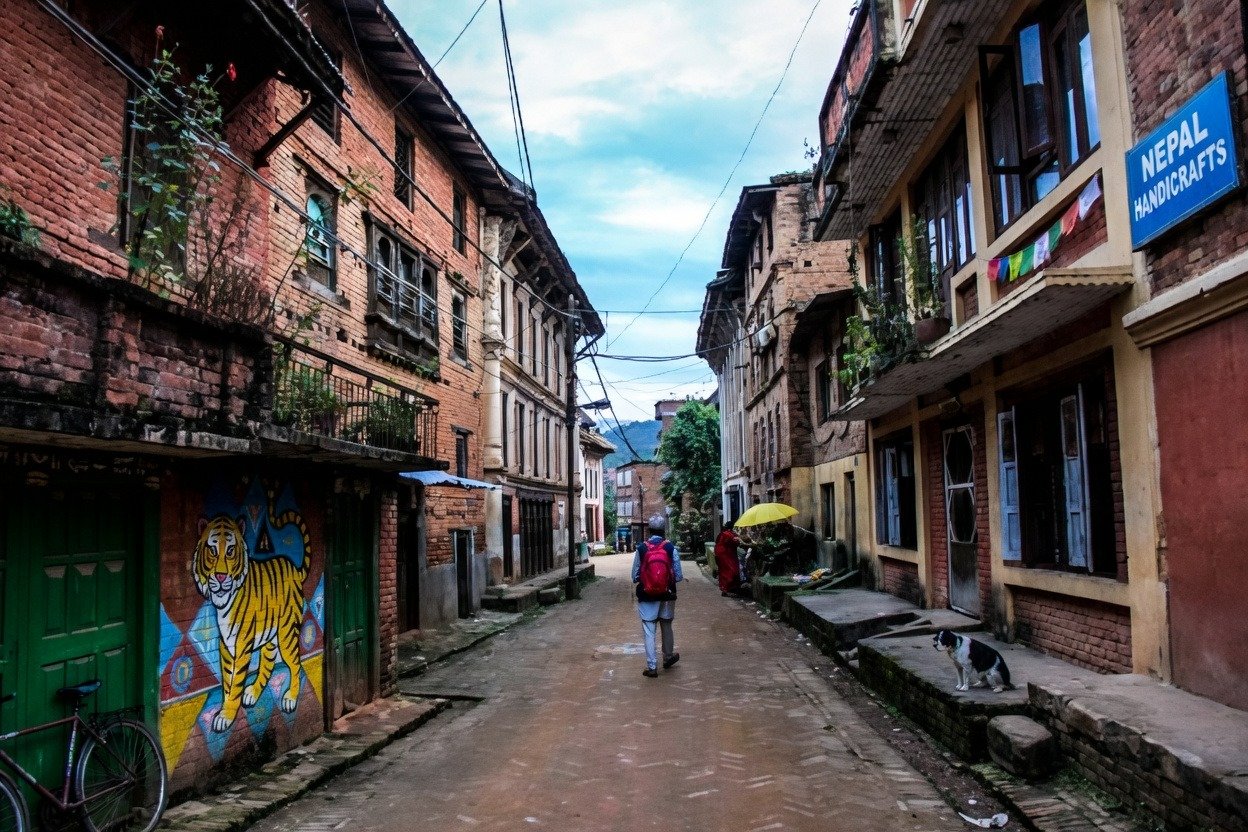
Panauti: One of Nepal's Oldest Living Towns
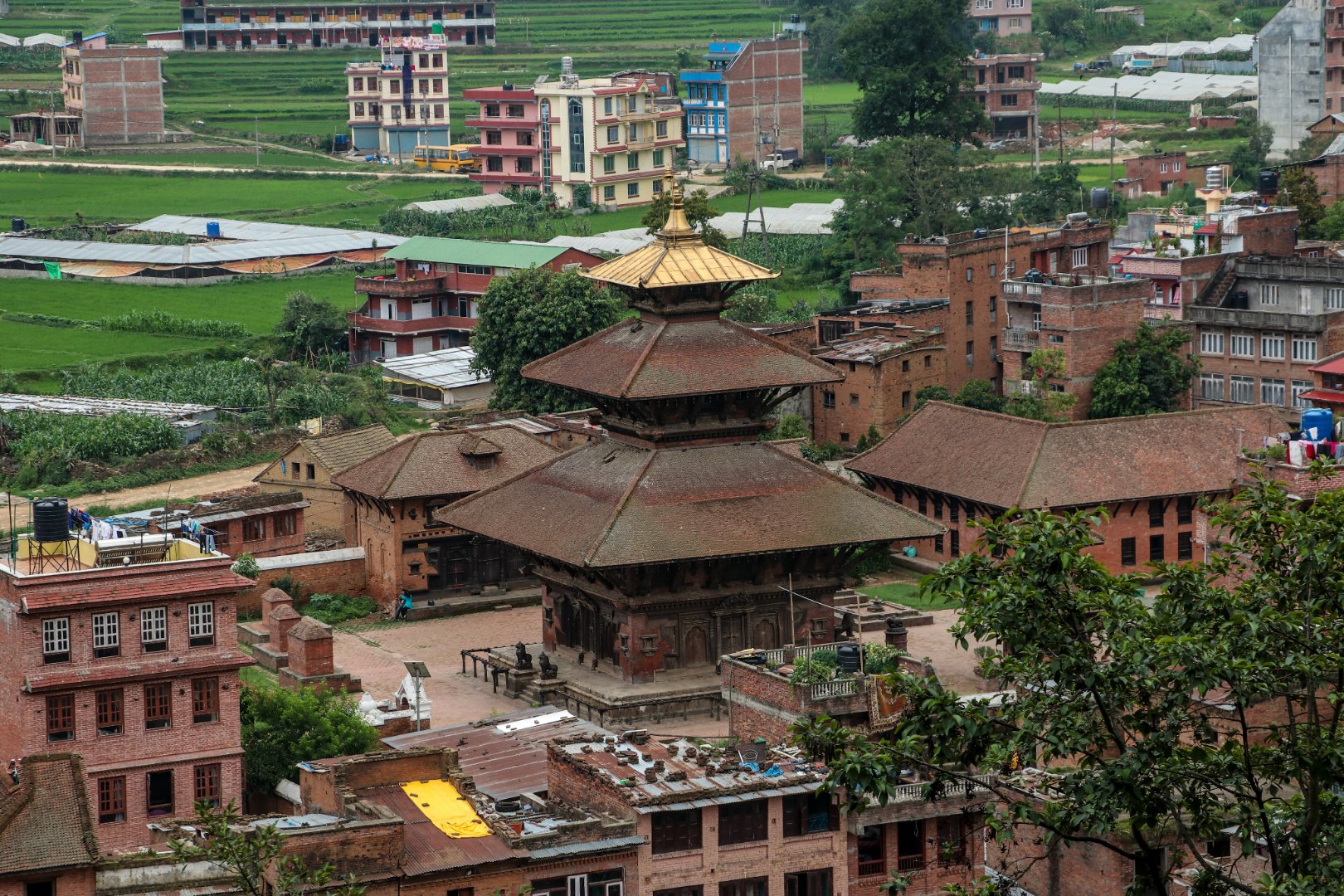
Panauti sits about 32 kilometers southeast of Kathmandu and is one of the oldest continuously inhabited towns in Nepal. It is home to some of the most intricate Hindu and Buddhist temples in the country and was one of the first sites for the community homestays.
Getting there is easy: a 45-minute drive or local bus from Kathmandu. Once you arrive, the pace drops immediately.
Slow travelers in Panauti join host families for cooking, walk along the Punyamati and Roshi rivers at sunrise, and take part in local festivals if the timing is right. The centerpiece of the town is the Indreshwar Mahadev temple complex, one of the largest and tallest pagoda-style temples in Nepal with roots going back to the late 13th century and a shrine rebuilt in the 15th century. Panauti works especially well for travelers drawn to spiritual culture and ancient architecture.
Ilam: Nepal's Tea Country
Ilam is located in the eastern part of Nepal, about 600 kilometers from Kathmandu and reachable by an overnight bus or a short flight to Biratnagar followed by a jeep ride. It is one of the least-visited regions in the country.
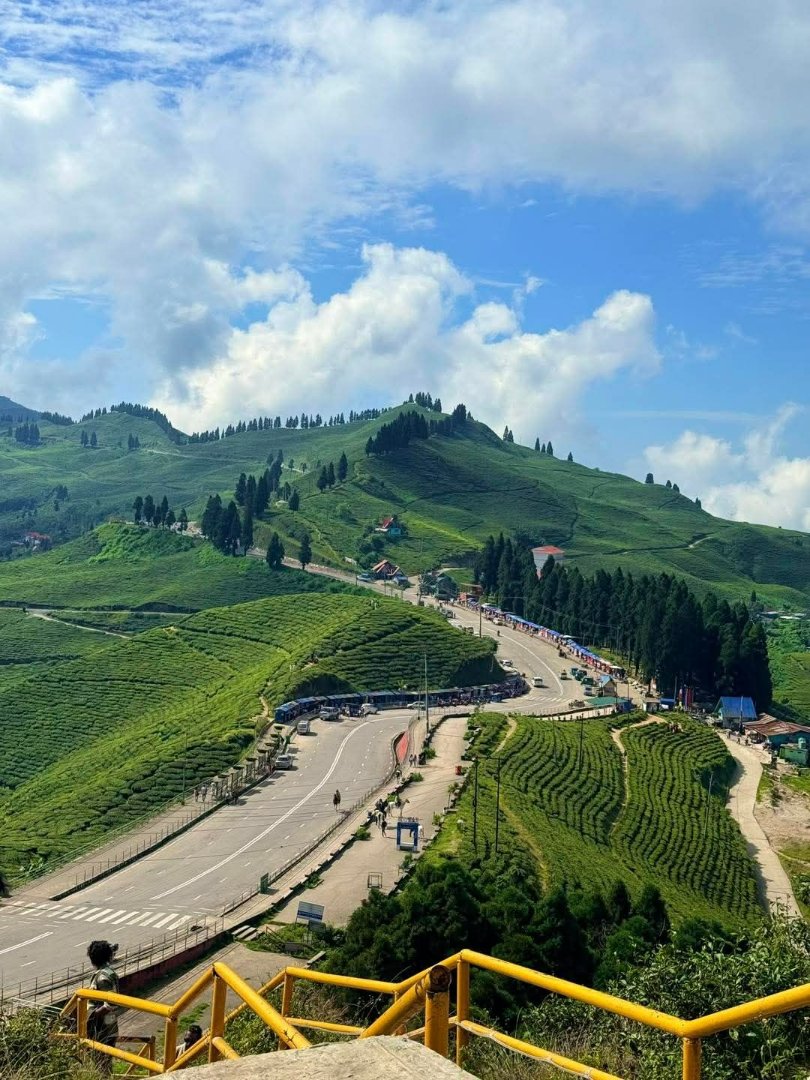
The landscape is all rolling green tea gardens, misty hills, and forests. The local Rai and Limbu communities have a rich cultural life, with their own languages, music, and festivals that most outsiders have never witnessed.
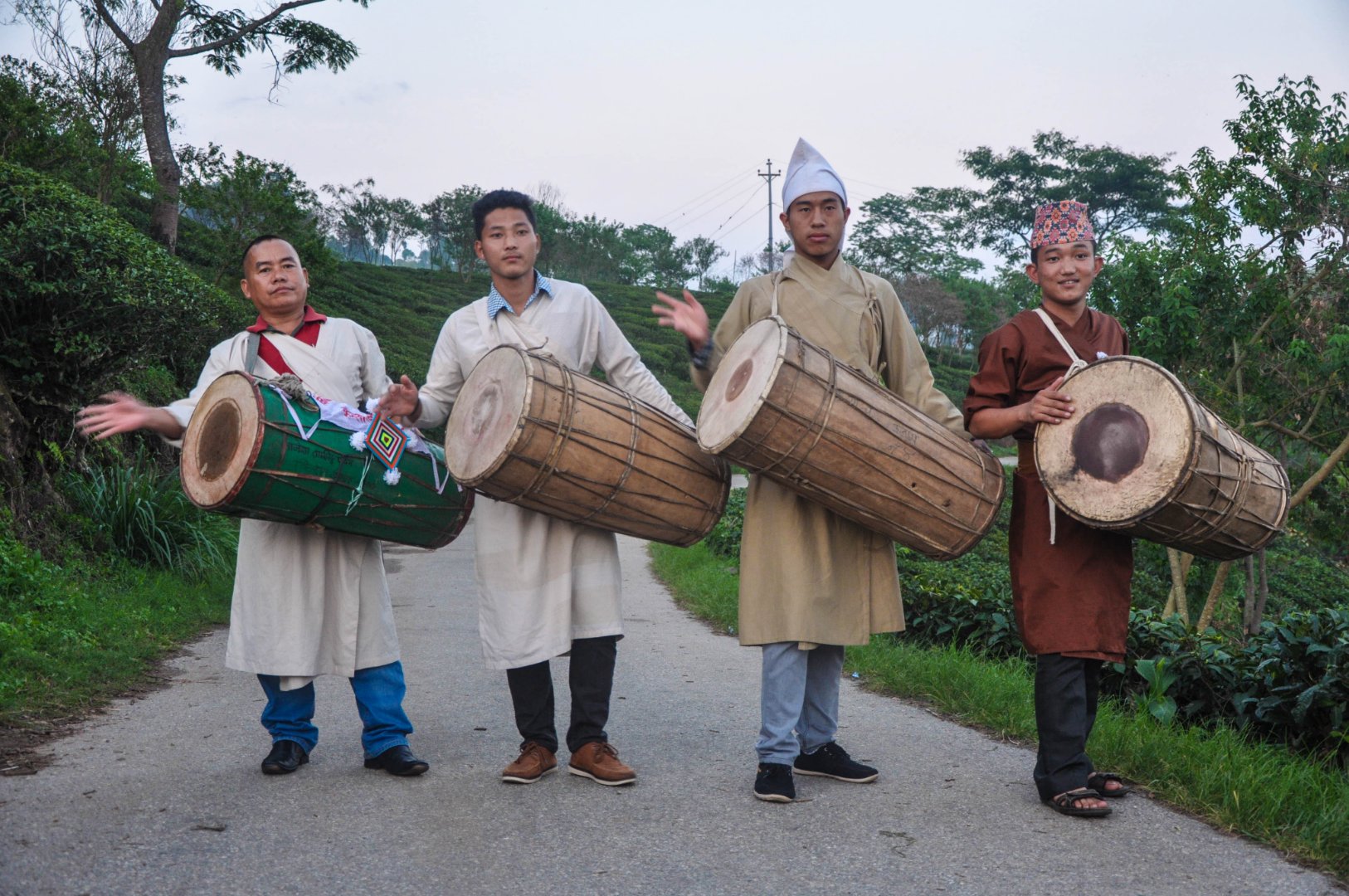
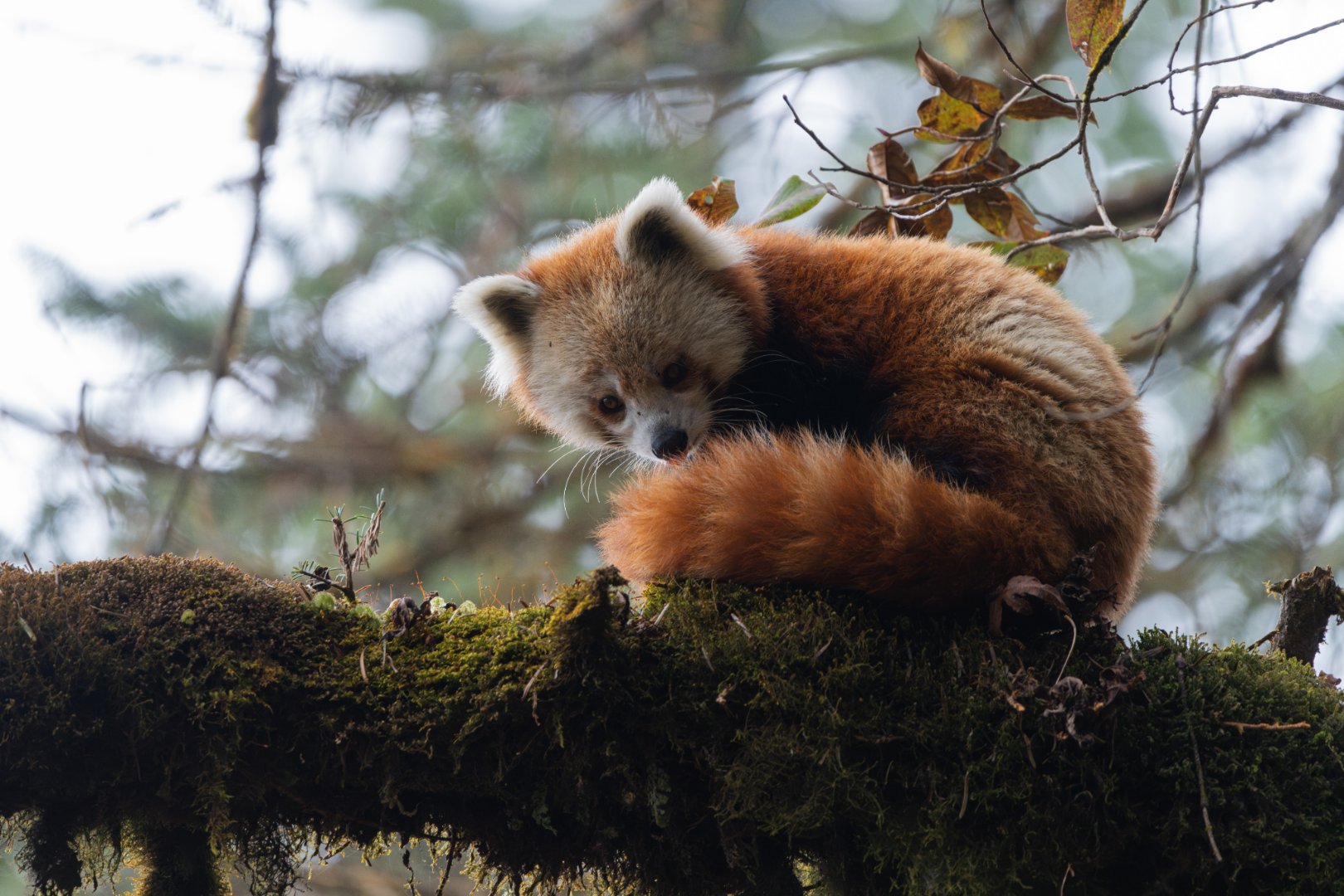
Slow travelers in Ilam walk through tea estates in the morning, learn how tea is processed by hand, and visit local farms. The forests around Ilam are also one of the few places in Nepal where you have a real chance of spotting a red panda in the wild, making a quiet early morning walk through the trees feel like something special. At the end of the day you come back to a simple family homestay where the food is some of the freshest in Nepal. This is a destination for travelers who genuinely want to go off the beaten path.
Bardiya: Wildlife and Tharu Culture
Bardiya National Park sits in the far west of Nepal, about 10 to 12 hours by bus from Kathmandu. It is one of Nepal's best wildlife destinations, home to Bengal tigers, one-horned rhinos, and elephants, but without the crowds of Chitwan.
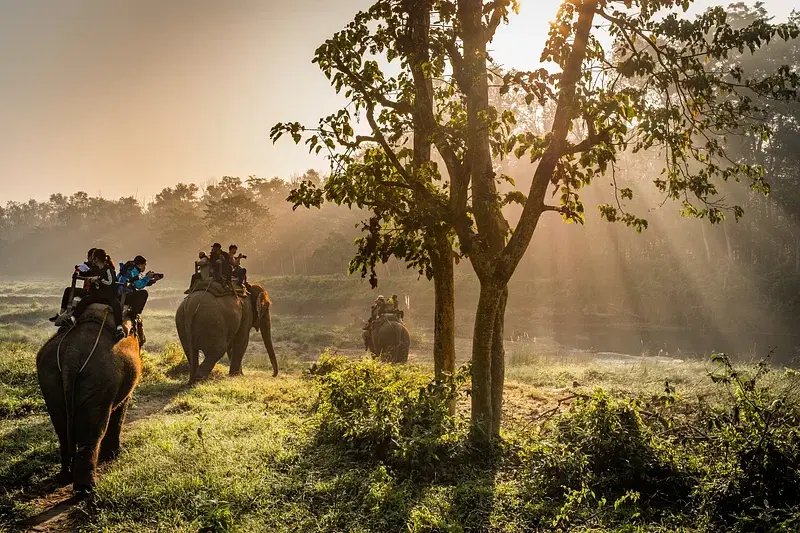
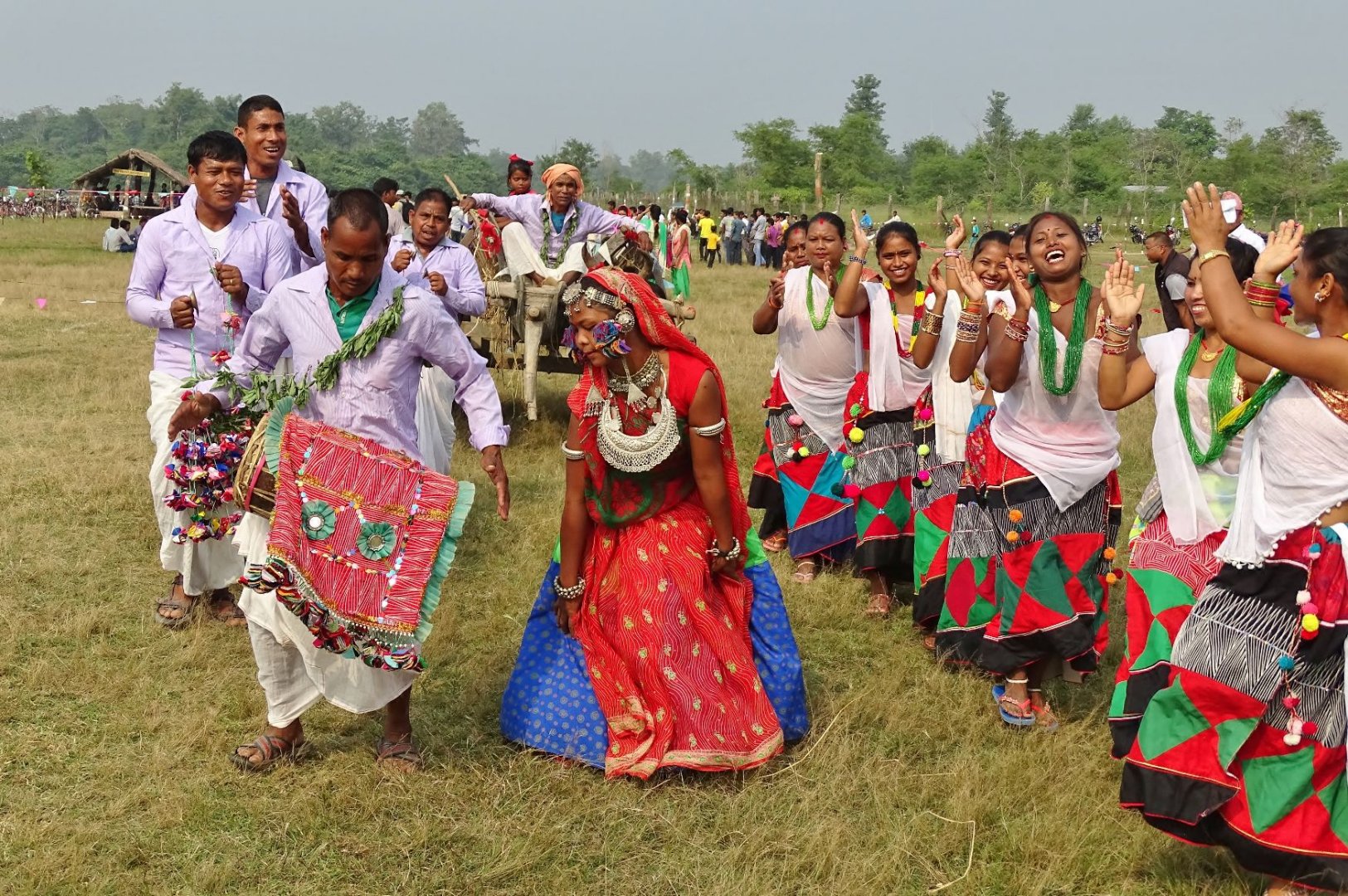
The surrounding villages are home to the Tharu community, one of Nepal's indigenous groups with a fascinating culture, distinctive dance traditions, and a deep connection to the forest and river landscape around them.
Slow travelers base themselves in village homestays just outside the park, walk to the park border on foot, join Tharu cultural evenings, and take early morning canoe rides on the Karnali River. Bardiya rewards travelers who are willing to make the long journey to get there.
Rara Lake: Nepal's Remote North
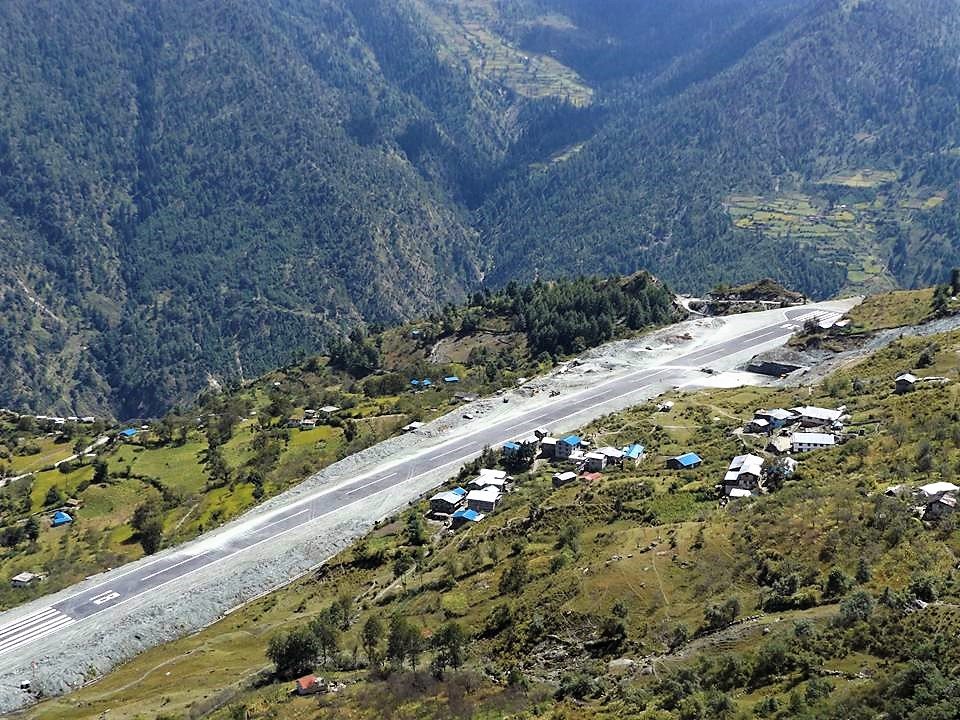
Rara Lake is Nepal's largest and most remote lake, sitting at 2,990 meters above sea level in Mugu District in the northwest. Getting there requires a flight to Nepalgunj and then a small plane to Talcha airport, followed by a two-day trek.
There are no crowds, no tour groups, and no distractions. The lake is an impossibly clear blue surrounded by pine forests and snow-capped peaks. Life in the surrounding villages has changed very little in centuries.
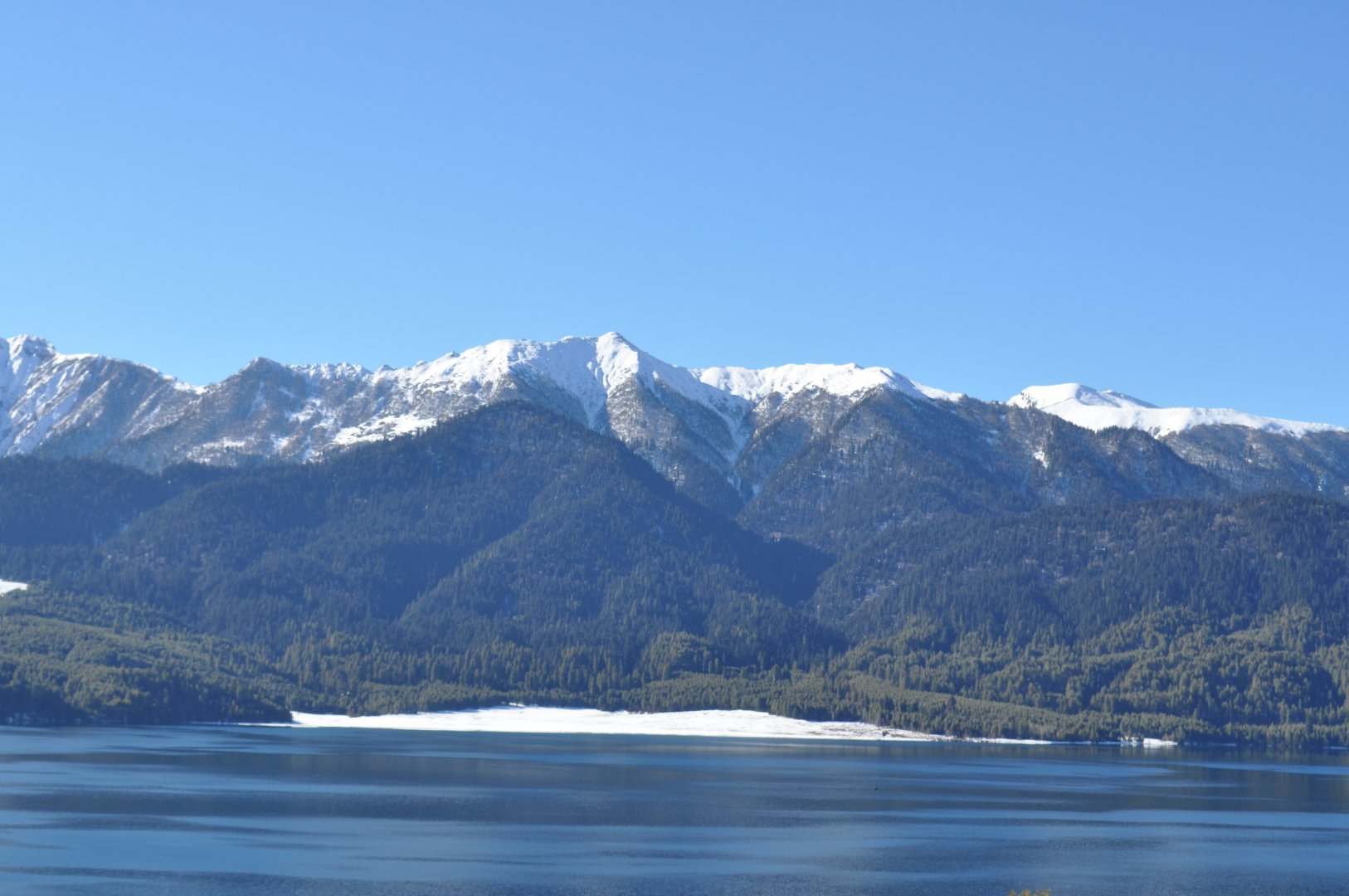
Rara is for serious slow travelers who want complete quiet and natural beauty. Staying with local families in the nearby village of Rara gives you a window into a way of life that almost no outside traveler ever sees.
Annapurna Foothills Villages
The villages around the Annapurna foothills, including Narchyang, Hemjakot, and Lwang, sit just off the main trekking route but feel completely removed from the typical tourist trail. They are reachable by jeep or a short hike from Pokhara.
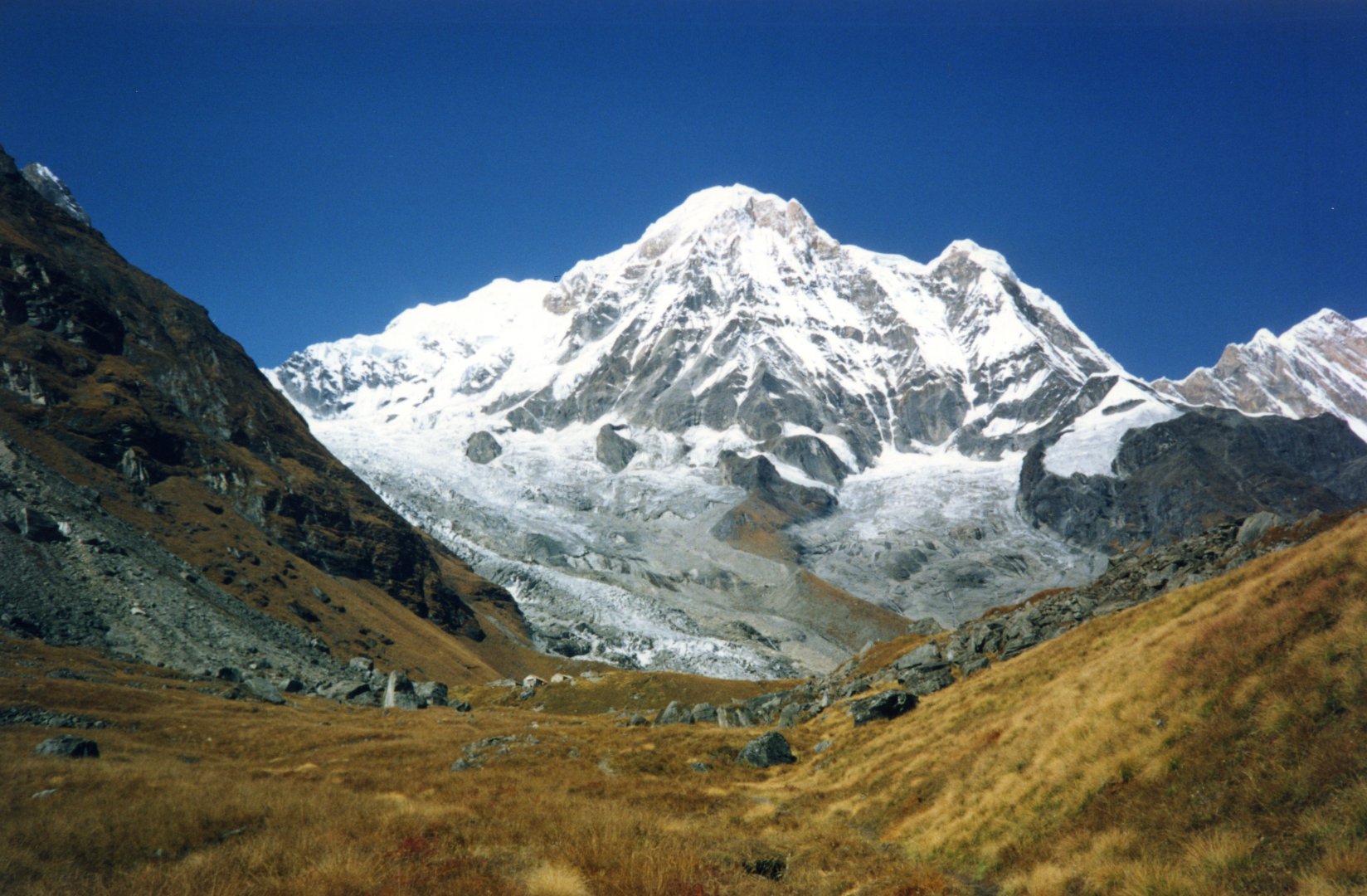
The Gurung communities here practice traditional farming on dramatic terraced hillsides, and nearby natural hot springs make for a deeply relaxing slow travel base. Community homestays in these villages are well-organized and welcoming.
These villages are perfect for trekkers who want cultural depth alongside mountain scenery, without the noise and crowds of the main Annapurna Circuit.
What a Nepal Homestay Experience is Like
A Nepal homestay puts you inside a real family home in a real village. This is the closest thing slow travel in Nepal has to a perfect starting point.
What a Typical Day Looks Like
Your morning starts before most hotels even serve breakfast. You wake to roosters, woodsmoke from the kitchen, and the sound of your host family starting the day. Breakfast is usually fresh flatbreads, eggs, and tea, eaten together at the family table.
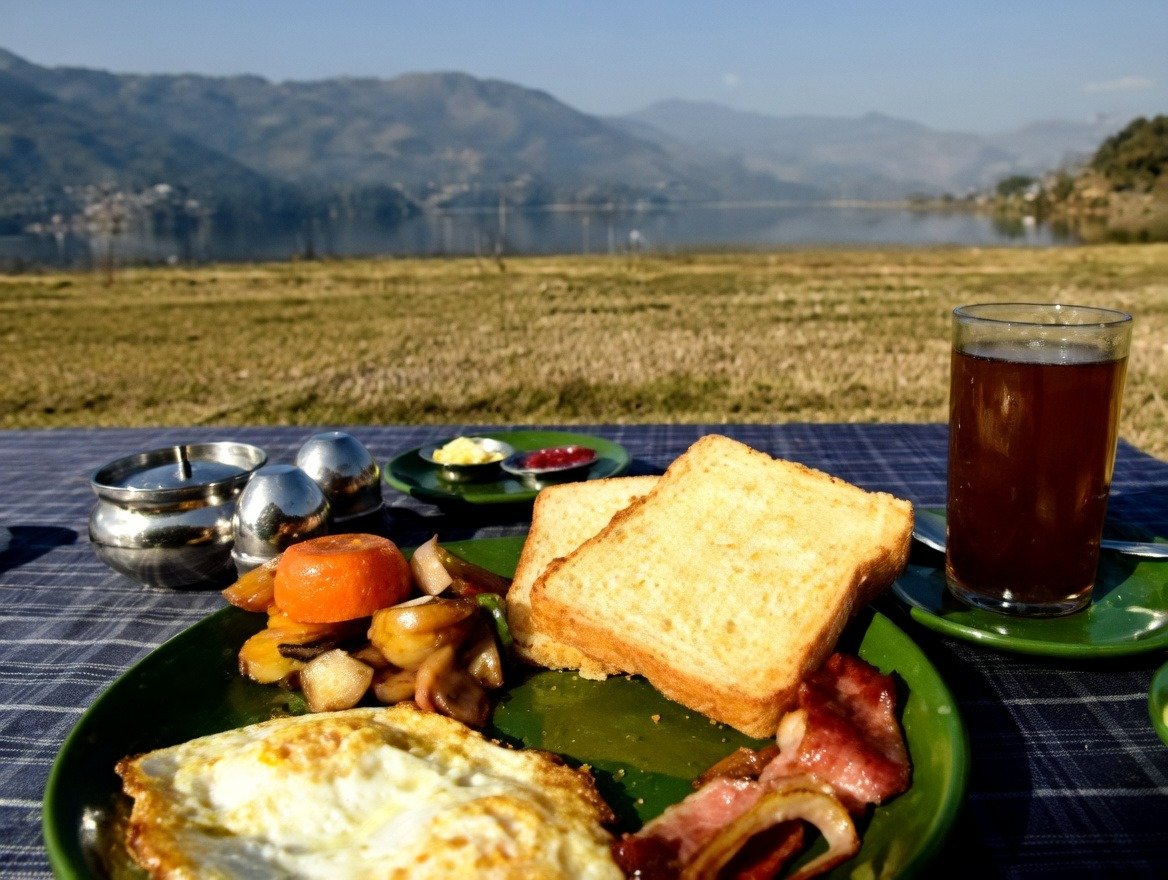
The middle of the day is yours to explore the village, join your hosts on the farm, attend a weaving demonstration, or simply sit and watch the rhythm of village life from the front porch. Lunch is light. Dinner is the main event.
Evenings are for conversation, sometimes for music, sometimes for a local ceremony or festival if the timing is right. You go to sleep in a simple, clean room with blankets piled high, and you wake up wanting to stay another night.
What Food You Will Eat
Food at a Nepal homestay comes almost entirely from the land immediately around you.
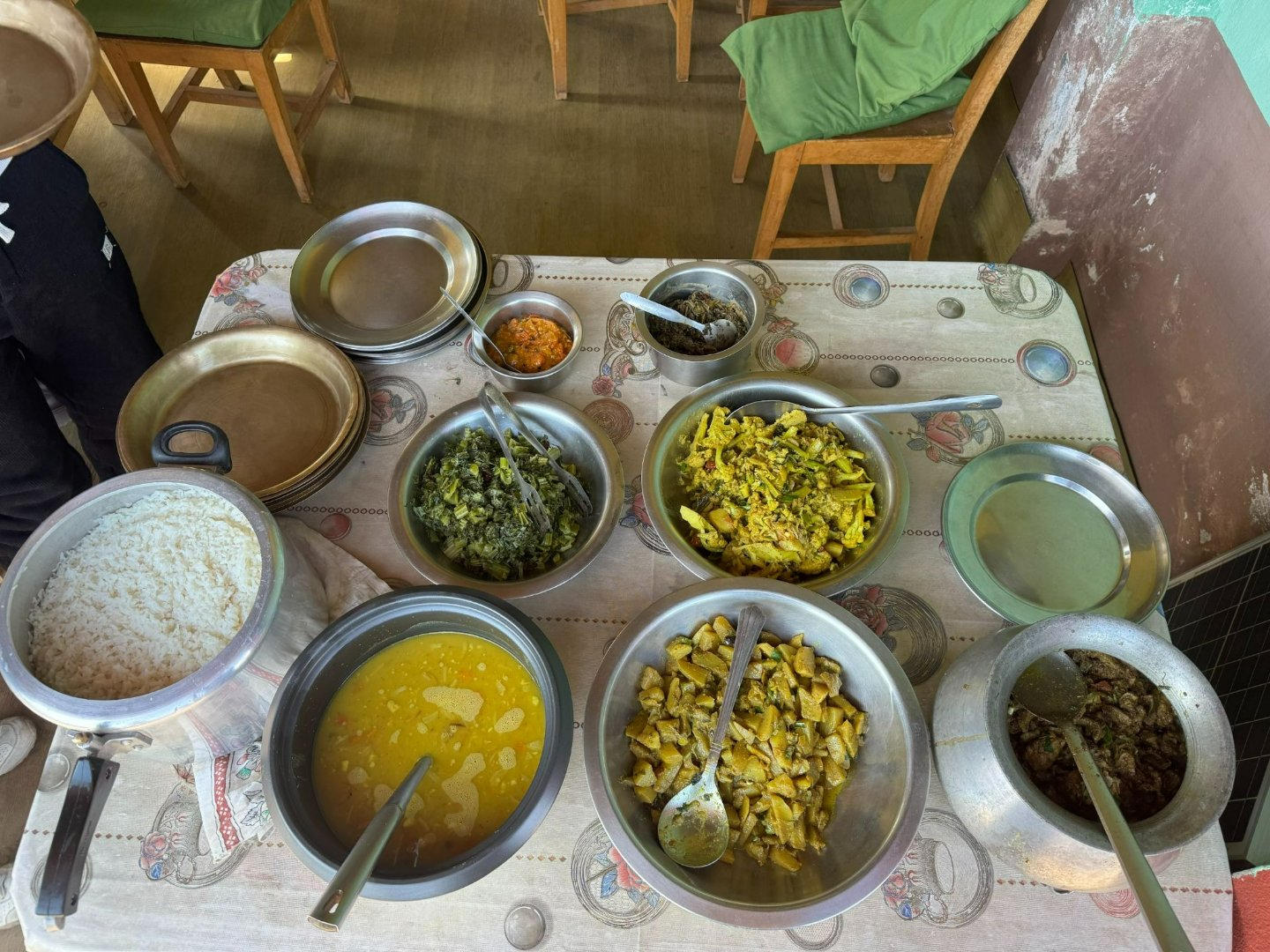
Dal bhat twice a day, the cornerstone of Nepali eating: lentil soup, steamed rice, vegetable curry, and homemade pickles
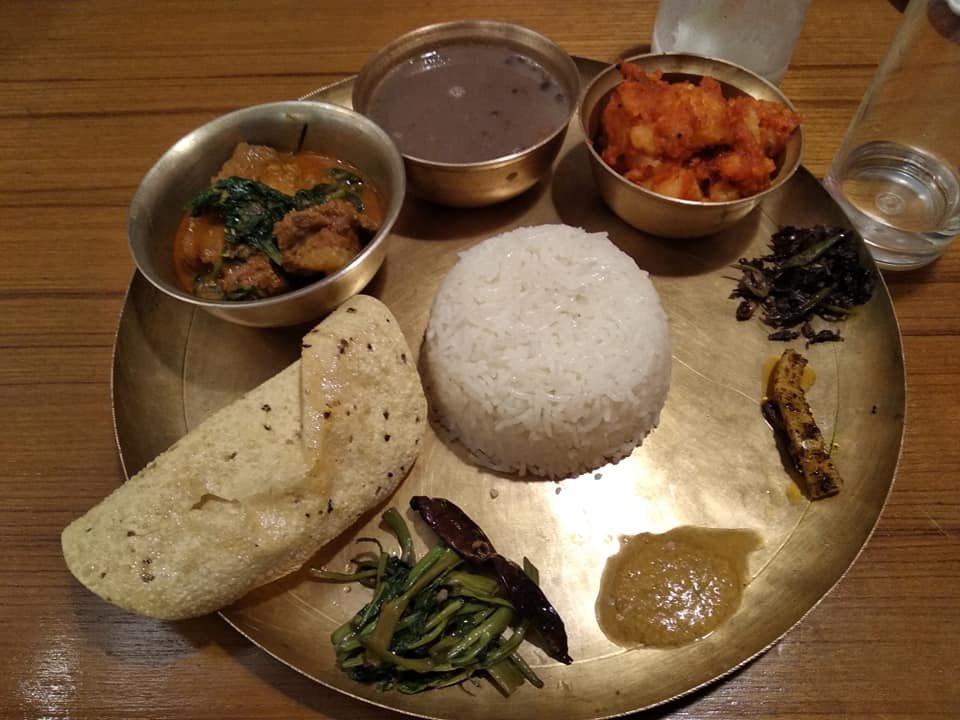
Seasonal vegetables grown in the family garden, different depending on when you visit
Homemade achar (fermented pickles) that differ from household to household
Fresh milk tea or butter tea in the mornings
Momos (dumplings) and roti on special occasions, often made with you in the kitchen
What You Will Do
The activities at a Nepal homestay are not organized tours. They are invitations into daily life:
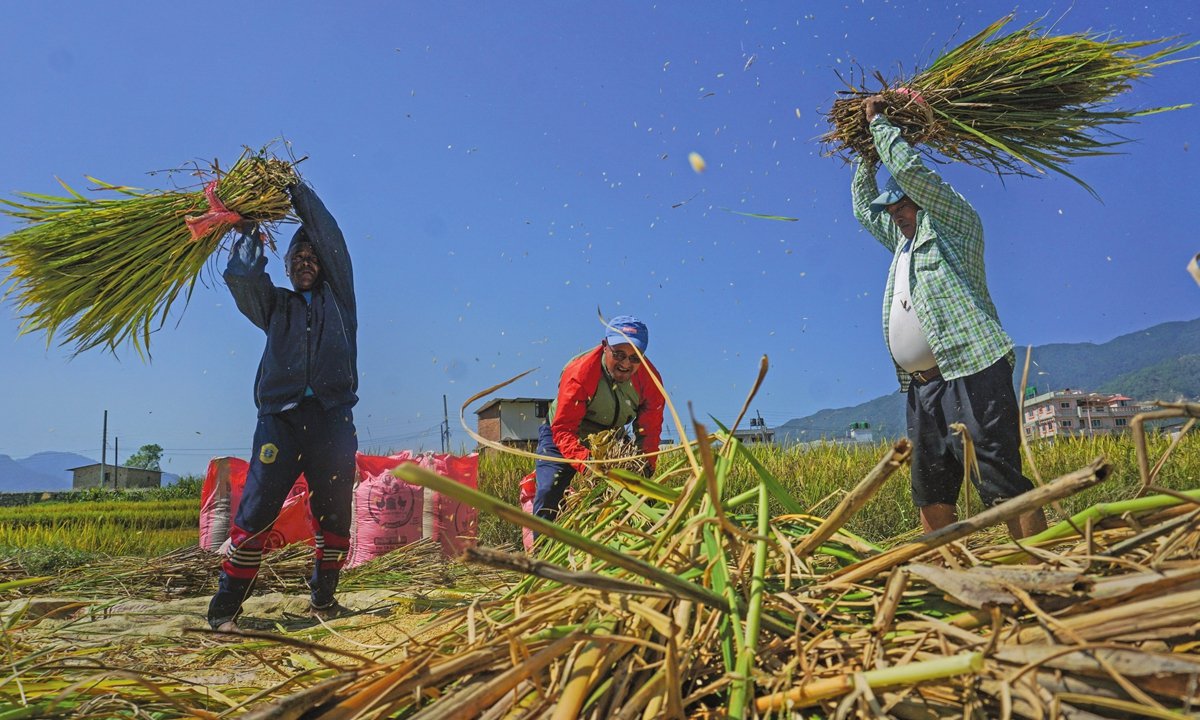
Joining your host family in the fields during planting or harvest season.
Learning to cook dal bhat, momos, or local sweets from scratch
Weaving Dhaka fabric on a hand loom or trying Thangka painting under guidance
Walking village trails to local temples, viewpoints, or neighboring farms
Attending a festival, wedding, or community gathering if one falls during your stay
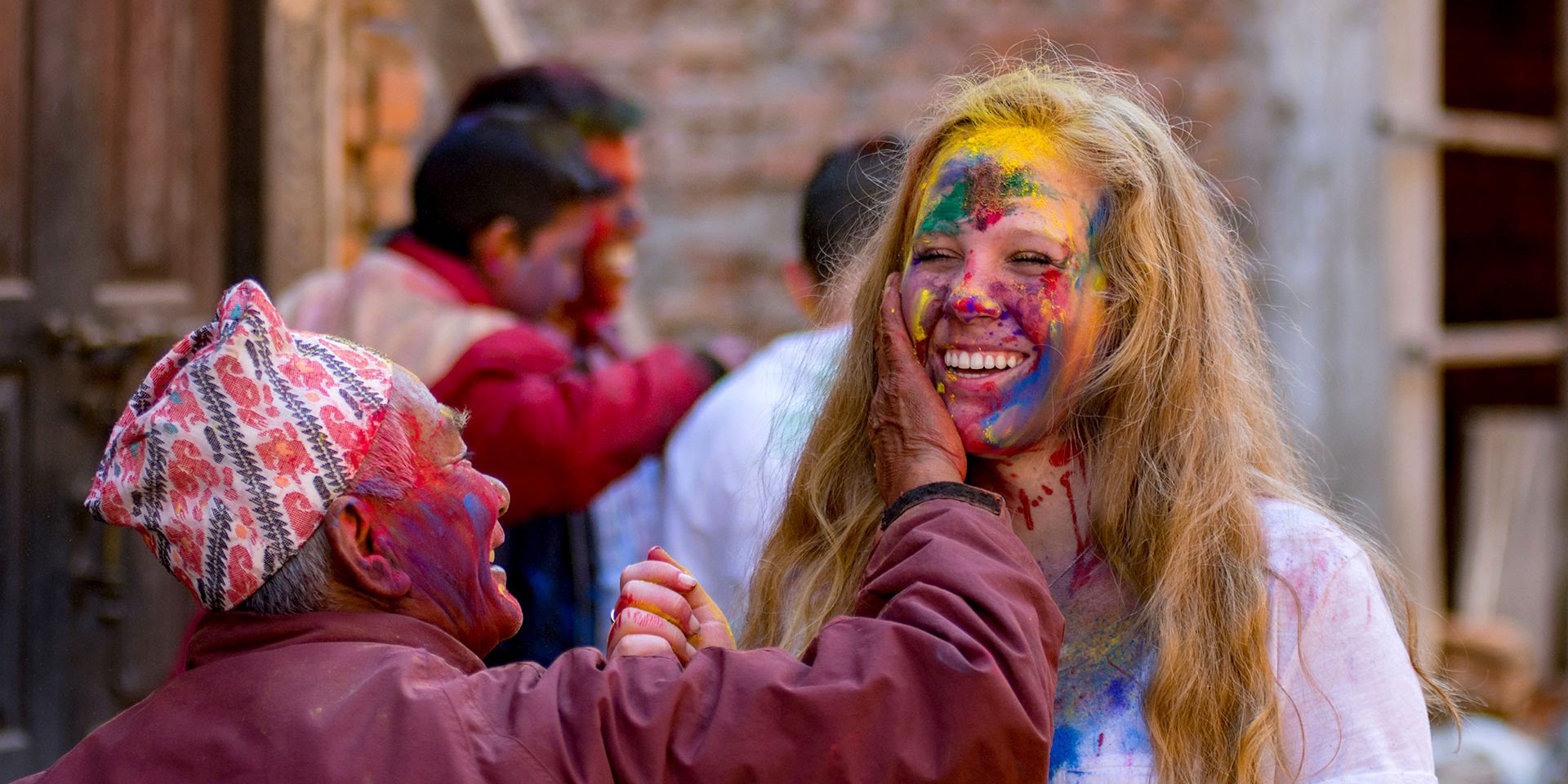
Simply sitting, talking, and letting the pace of village life settle around you
Example 7-Day Slow Travel Itinerary in Nepal
This itinerary combines two of Nepal's best slow travel destinations for a balanced and manageable first trip.
Best Time for Slow Travel in Nepal
Nepal has four distinct travel seasons and each one offers something different for slow travelers.
How Much Does Slow Travel in Nepal Cost
Slow travel in Nepal is affordable. Because you are staying in village homestays and eating home-cooked food, your daily costs are usually much lower than a standard hotel-based trip.
A 7-day slow travel trip in Nepal can comfortably cost between $150 and $400 in total, depending on the region, the homestay, and how much you move around. This includes accommodation, all meals, and local transport.
How to Plan a Slow Travel Trip to Nepal
Planning a slow trip is simpler than planning a rushed one. You need fewer bookings, fewer decisions, and a lot more patience. Here is how to approach it.
Step 1: Pick One or Two Regions and Stick to Them
Resist the urge to cover the whole country in one trip. Two regions explored properly will give you far more than five regions visited briefly. Give each place at least 4 to 5 nights so you actually have time to feel at home.
Think about what draws you most before you decide:
If you love culture and history, pair Panauti with Bandipur.
If you love nature and wildlife, combine Bardiya with Ilam.
If it is your first trip, start with Bandipur or Nagarkot since both are close to Kathmandu and easy to settle into.
Step 2: Book a Community Homestay Before You Arrive
Village homestays fill up fast, especially during autumn from September to November. When booking, look for homestays that are community-run, include meals, and have a host who speaks basic English.
You can find and book verified community homestays across Nepal at nepalhomestays.com, all connected to real local families.
Step 3: Travel Overland Wherever Possible
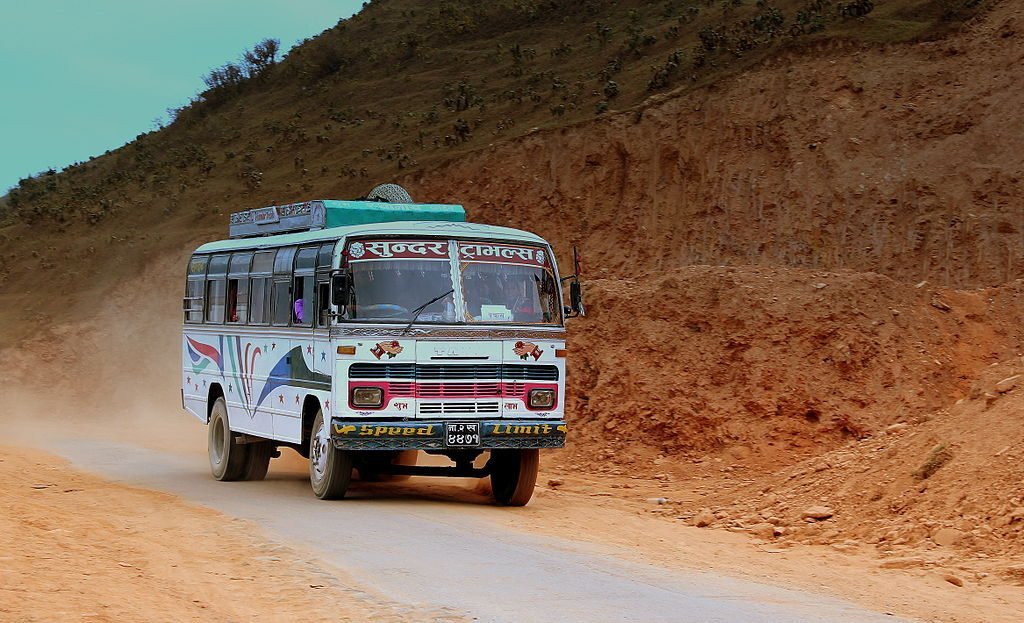
Local buses, shared jeeps, and walking trails connect most of Nepal's villages and the journey itself is part of the experience. Book buses a day ahead during peak season and always ask your host if there is a walking trail nearby. Many of the best views in Nepal are only visible on foot.
Step 4: Keep Your Daily Schedule Open
Plan your arrival, your departure, and your homestay bookings. Then leave everything in between loose. The best slow travel moments in Nepal are never the ones you planned. A packed daily itinerary will make you miss the harvest invitation, the unexpected festival, and the neighbor who stops by with homemade snacks and a life story worth hearing.
Step 5: Learn a Few Words of Nepali
Learning a few Nepali words will change how people treat you and how open conversations become. Nepali people genuinely appreciate when a foreign traveler tries their language, and it often leads to moments that no tour or activity could ever create.
Start Your Slow Travel Journey in Nepal
Nepal does not need to be rushed. The best version of a Nepal trip is one where you stay long enough to feel the place settle around you, share a meal without looking at the time, and leave knowing you actually lived there for a while.
Slow travel in Nepal starts with finding the right village and the right family to welcome you. Explore verified homestays at Nepal Homestays and plan a trip worth taking your time over.
Frequently Asked Questions
What is slow travel in Nepal?
Slow travel in Nepal means staying longer in fewer places, usually in village homestays, and connecting with local people, food, and culture instead of rushing between tourist sights. It is the opposite of a tick-box itinerary and results in a far richer and more meaningful trip.
Is Nepal good for slow travel?
Yes, Nepal is one of the best countries in the world for slow travel. It has hundreds of rarely visited villages, a deeply hospitable culture, incredible food, and a growing network of community homestays built specifically for travelers who want authentic experiences over speed.
What is a Nepal homestay?
A Nepal homestay is accommodation inside a real local family's home, usually in a village or small town. You eat with the family, join in daily life, and experience local culture firsthand. Prices typically range from $15 to $40 per night including all meals, and your money goes directly to the host family.
What are the best slow travel places in Nepal?
The best destinations for slow travel in Nepal are Bandipur, Panauti, Ilam, Bardiya, Rara Lake, and the villages around the Annapurna foothills. Each one offers community homestays, rich culture, and a pace of life that suits slow travel naturally.
How much does a Nepal homestay cost?
A Nepal homestay typically costs between $15 and $40 per night, including home-cooked meals. Your total daily budget for slow travel in Nepal, including transport and activities, usually falls between $20 and $55 per day.
Company Admin
Travel writer sharing authentic stories and experiences from Nepal's beautiful homestays.