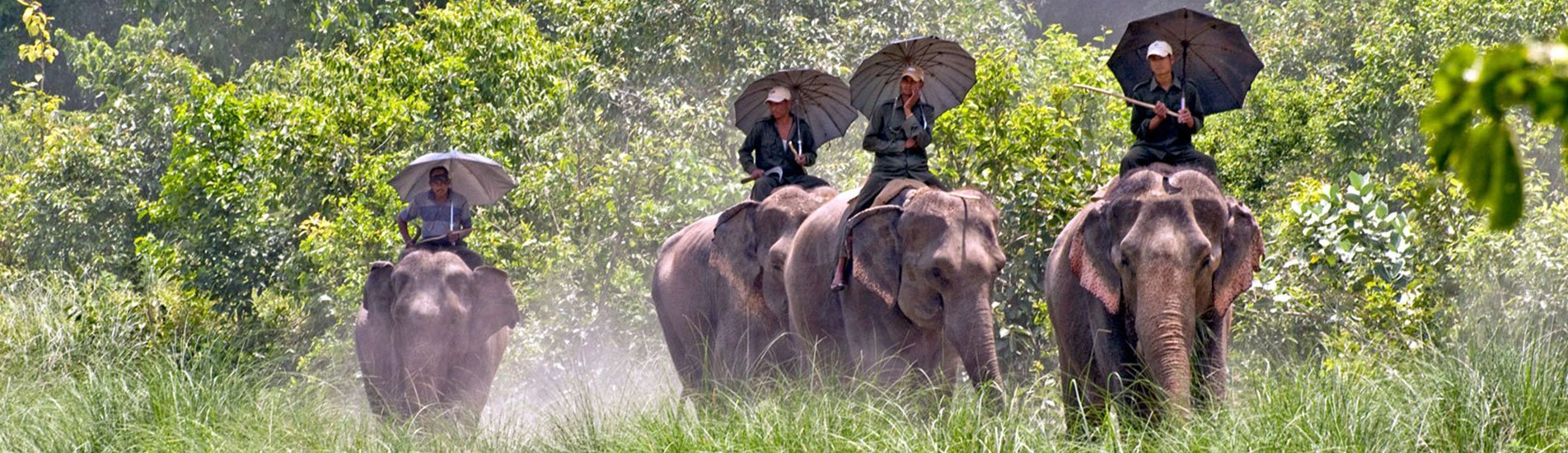
A Tharu community homestay in Nepal's Terai puts you inside a living culture: mud-walled rooms, river fish cooked on wood fires, stick dances in the courtyard. This guide covers Chitwan vs Bardiya, what it costs, and what to expect on the ground.
Down in Nepal's southern plains, the jungle ends where the rice fields begin. On one side you are under sal trees, on the other you are in open farmland with egrets picking through the stubble and a Tharu woman carrying a clay pot on her head without using her hands. This is the Terai, and most people fly over it on the way to Kathmandu.
A Tharu community homestay puts you inside this landscape instead of above it. You sleep in a mud-walled room that stays cool without electricity. You eat fish caught that morning from the Narayani river. In the evening someone's uncle does the stick dance in the courtyard while the kids watch from the roof. Nobody is doing this for you. You are just there when it happens.
This guide covers everything you need to know before you book: what a Tharu homestay actually involves, where to find the best ones, what it costs, and how it compares across different regions.
TL;DR
Tharu community homestays are in Nepal's southern Terai, mostly around Chitwan and Bardiya
You stay with a local family in a traditional mud and timber home
Evenings involve stick dances and home-cooked food from the garden; mornings go toward jungle safaris
Costs run NPR 800 to NPR 2,500 per person per night depending on what is included
Chitwan is easier to reach from Kathmandu; Bardiya is wilder and far less touristy
Best time to visit is October to March
Quick Overview: Tharu Community Homestay Nepal
What Is a Tharu Community Homestay?
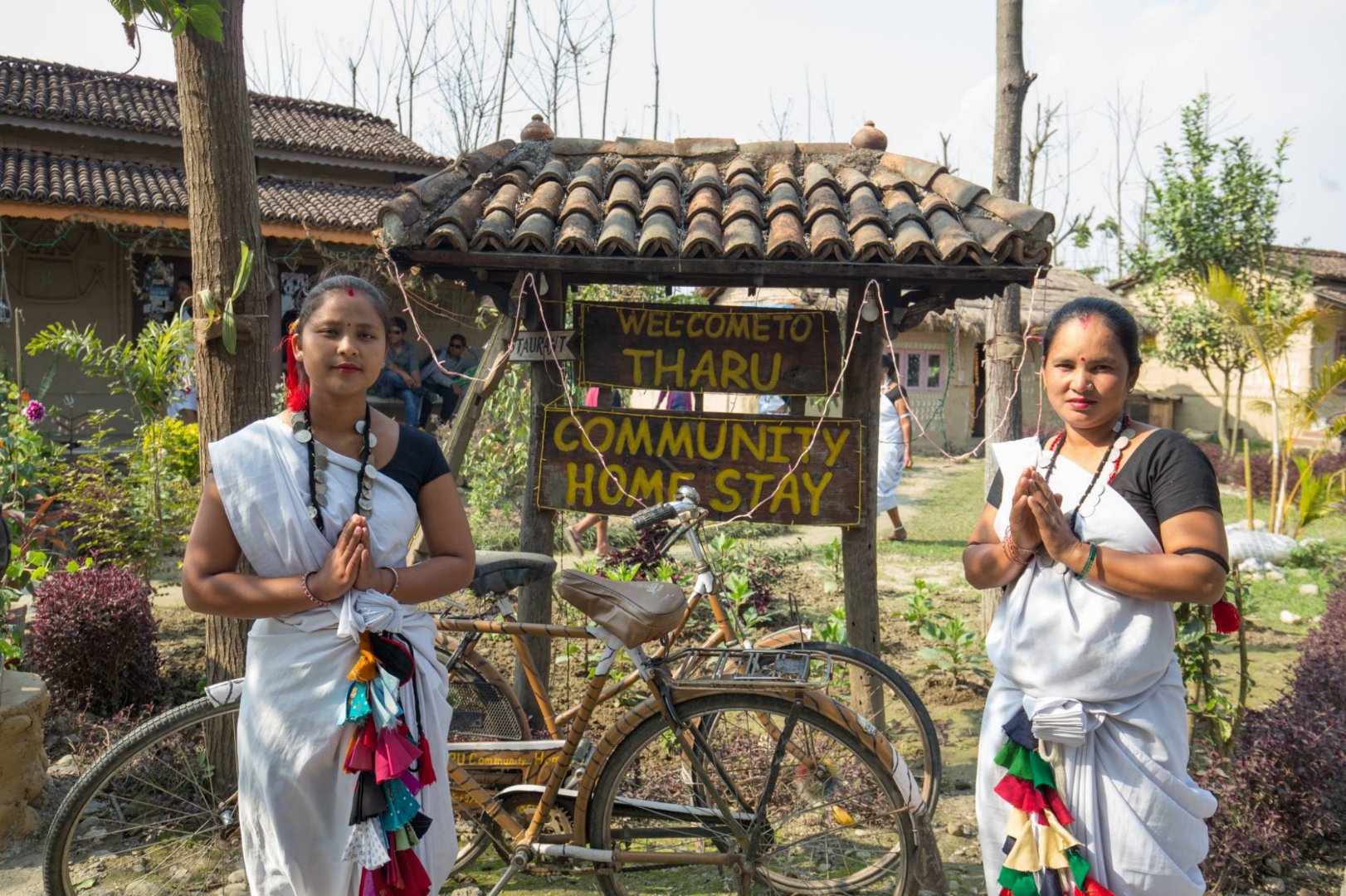
A Tharu community homestay is accommodation run by a Tharu family or village cooperative in the Terai lowlands of Nepal. Guests stay in traditional mud and timber homes, eat meals cooked on wood fires, and spend time with the family rather than behind a hotel door.
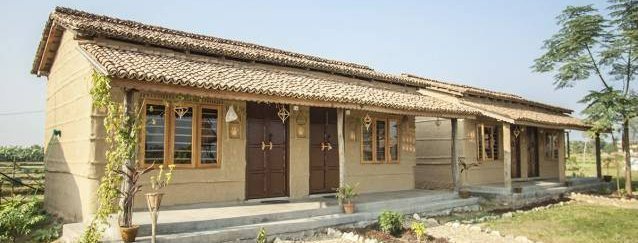
The Tharu are one of Nepal's oldest indigenous groups, believed to be the original inhabitants of the Terai plains. Their culture is distinct from Nepal in almost every way: the language, the food, the architecture, the festivals, and the relationship with the forest and river. A homestay here is not a staged cultural show. It is daily life, and you are a guest inside it.
Most Tharu homestays operate under a community-based tourism model, meaning income is shared among village families rather than going to an outside operator. The Tharu belt is also part of a broader southern Nepal travel circuit that includes Lumbini, Janakpur, and Koshi Tappu, all covered in the top places to visit in southern Nepal guide. If you are new to homestay travel in Nepal, the complete guide to what homestays are and how they work walks through what to expect from booking to arrival.
Chitwan vs Bardiya: Which Tharu Homestay Should You Choose?
Both Chitwan and Bardiya offer Tharu homestay experiences, but they feel very different. Here is an honest comparison:
If you are visiting Nepal for the first time and want a Tharu stay combined with good wildlife access, Chitwan is the easier choice. The best Tharu community homestays in Chitwan covers the top verified family options there. If you want fewer tourists and a stronger sense of genuine village life, Bardiya is worth the longer journey. The best homestays in Bardiya lists vetted properties close to the jungle. For a side-by-side breakdown of both parks, the Bardiya vs Chitwan comparison will help you decide.
What to Expect: Accommodation
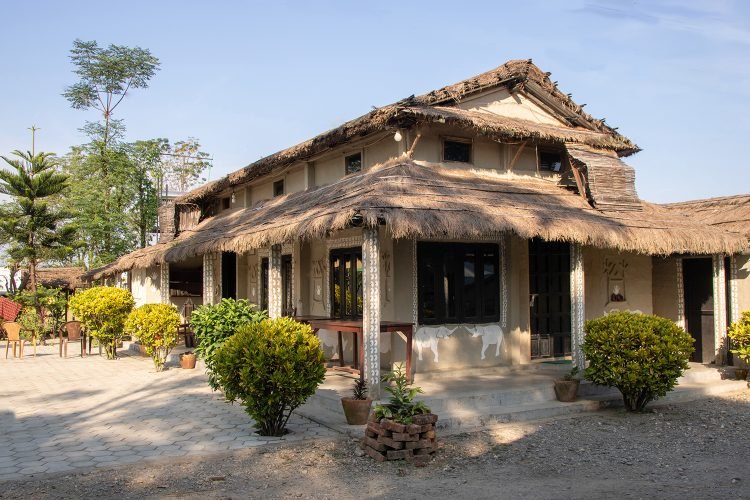
Traditional Tharu homes are built from earth, clay, mud, straw, and timber. The walls stay cool through the hot Terai summers and hold warmth during winter nights. Floors are polished clay. Rooms are simple and clean, with mosquito nets, basic bedding, and usually a shared or attached bathroom depending on the property.
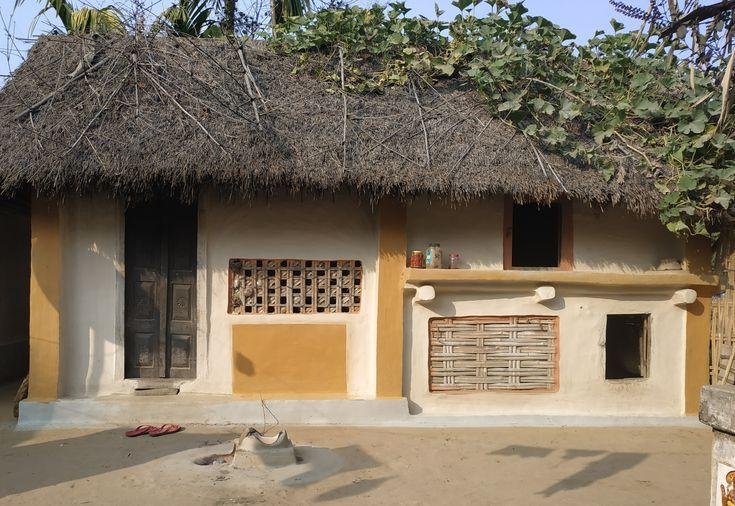
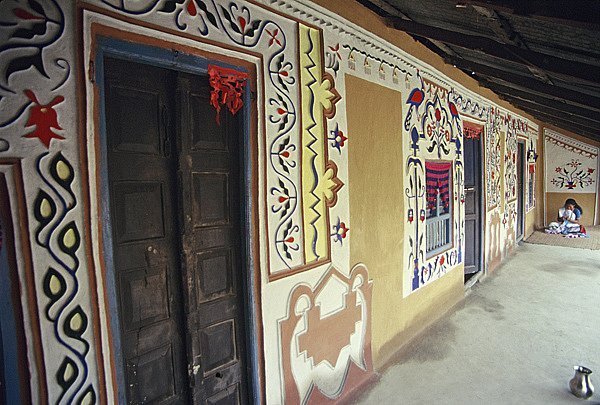
The exterior walls of older Tharu homes are decorated with geometric patterns and handmade murals painted by the women of the household during festivals. These are not painted for tourists. They are part of how the community marks seasons and occasions, and seeing them on your actual room wall is different from seeing them in a museum.
Most community homestays in Chitwan and Bardiya have been set up specifically for guests, with small cottages or rooms built within the village. The accommodation is basic by hotel standards but comfortable and well-maintained. The point is not luxury. The point is waking up to a rooster, stepping outside into a courtyard, and having someone hand you tea.
Before you pack for your Terai stay, the Nepal homestay packing list has a full checklist for rural village stays including what to bring for hot lowland conditions.
What to Expect: Tharu Food
Tharu cuisine is the strongest argument for choosing a homestay over a hotel. The food is cooked fresh from ingredients grown in the family's own field or caught from the river that morning. You will not find this in a Sauraha restaurant.
Staple dishes you will eat during a Tharu homestay:
Dhikri
Steamed rice flour dumplings, eaten during festivals and as a daily snack. Denser than momo, softer than roti, usually served with a thin lentil broth or spiced chutney.
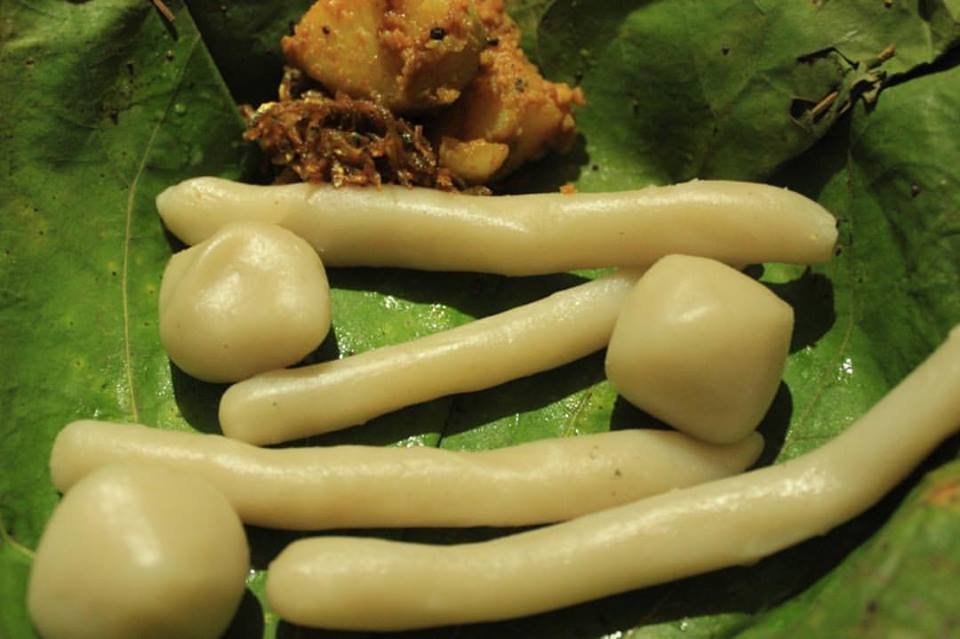
Bagiya
Rice flour dumplings stuffed with spiced lentils, served at celebrations. Look for these at harvest festivals when families make them in batches large enough to feed an entire neighborhood.
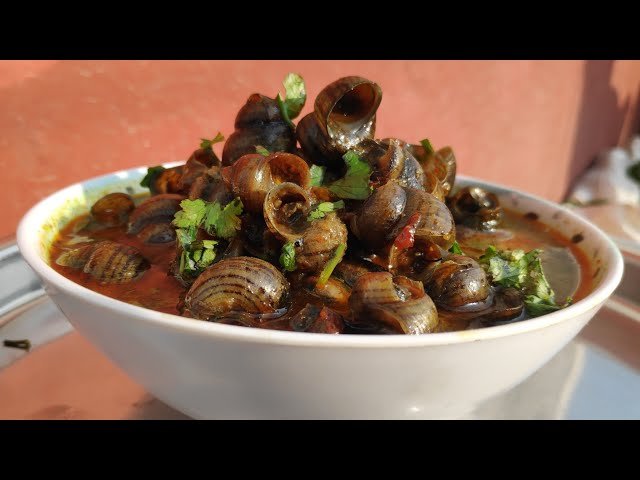
Ghonghi
Small river snails collected from the Narayani or Karnali riverbanks, cooked with turmeric, garlic, and local herbs. Available mostly between June and October when river levels are right. The taste is somewhere between clams and a mild freshwater mussel. Not every family serves it, so ask ahead if this is something you want to try.
Anadi Rice
A sticky variety traditionally farmed by Tharu communities, served with every meal. Slightly sweet, holds together better than standard rice, and is the reason Tharu dal bhat tastes different from what you eat in Kathmandu.
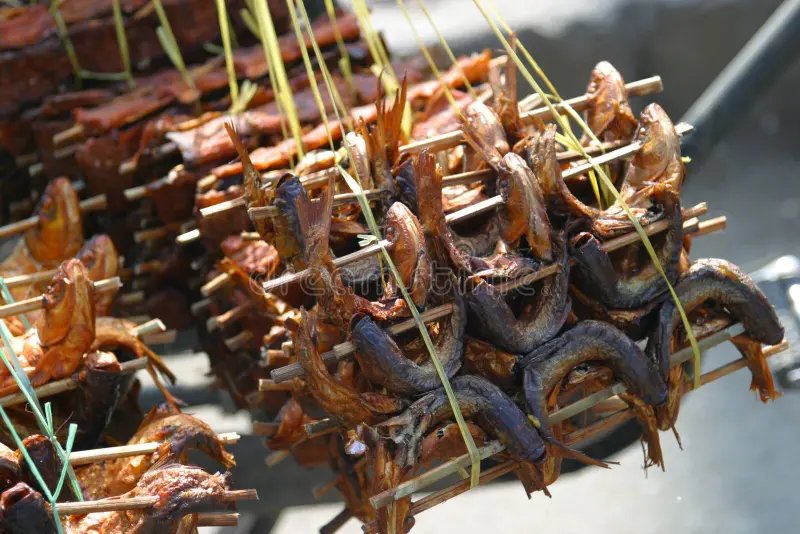
Grilled or Dried Fish
Caught from the Narayani or Karnali rivers and seasoned simply with turmeric and salt, then either grilled over a wood fire or sun-dried for days. The dried version is eaten year-round; fresh grilled fish is a monsoon and post-monsoon staple.
Mustard Greens and Seasonal Curries
Grown in the small kitchen garden just outside the house. What appears on your plate changes by month: mustard greens in winter, bitter gourd in summer, pumpkin leaves through the monsoon.
Guests are usually welcome to sit with the family during cooking, ask questions, and try their hand at the stone grinding tools or the clay stove. It is not a cooking class with a certificate. It is just cooking, and you happen to be there. Tharu food sits within a broader tradition of regional Nepali cooking that varies significantly by geography, something the Nepali homestay food by region guide goes into in detail.
Cultural Activities at a Tharu Homestay
The cultural side of a Tharu stay is what most travelers remember longest. Activities vary by village and season, but a well-run community homestay in Chitwan or Bardiya will typically offer:
Tharu Stick Dance (Danda Nach)
Performed by men in the evening using carved wooden sticks, rhythmic and fast-paced. The sticks crack against each other in patterns that take years to learn. In Bardiya villages near Thakurdwara, this is done in the open courtyard after dinner with a drum keeping time. It is loud and worth staying up for.
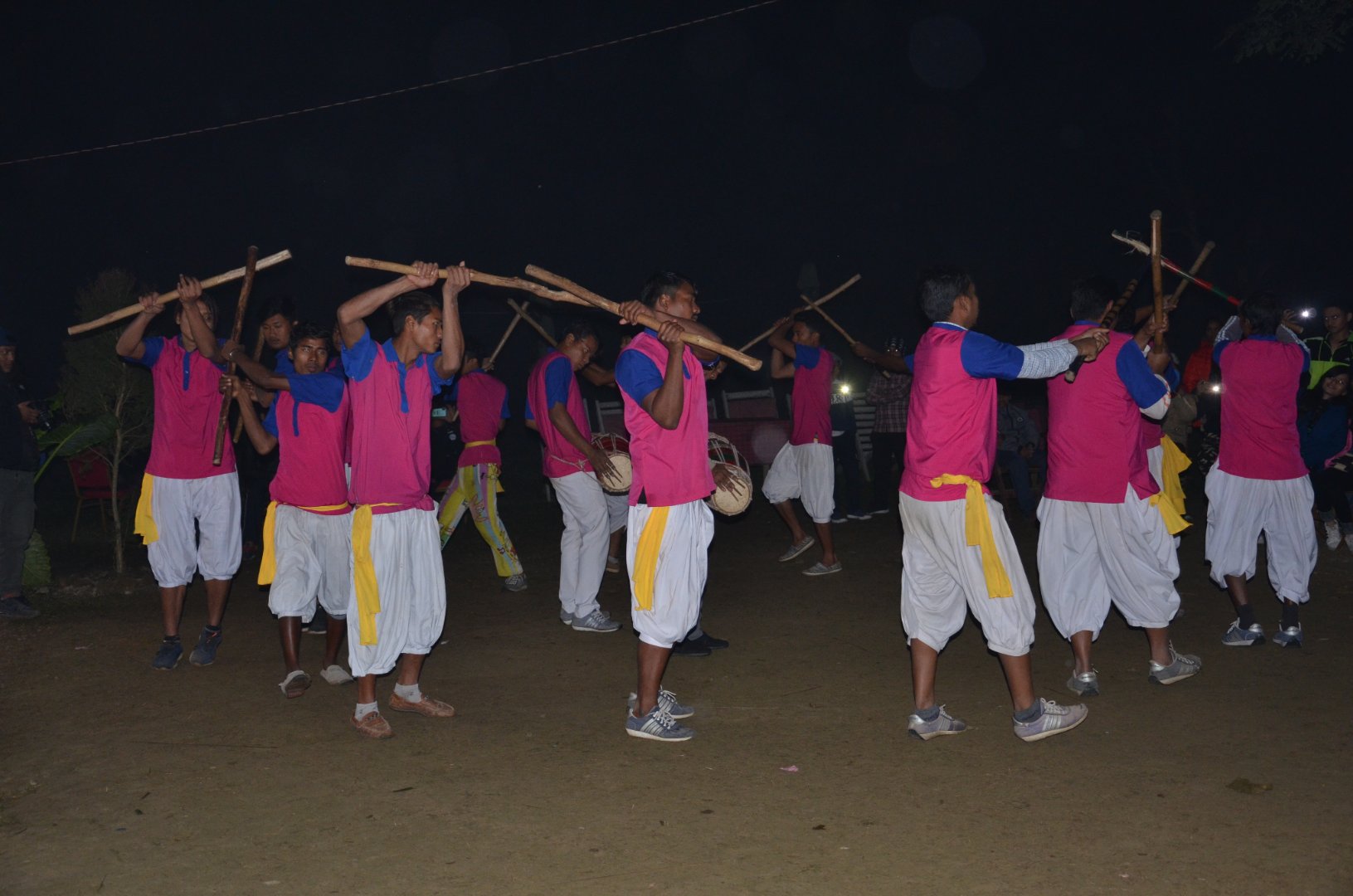
Chitrawan and Dangaura Tharu Dance Styles
Different Tharu communities have distinct dance traditions. Chitwan-area (Chitrawan) and far-western (Dangaura) villages perform different styles, and some homestays near the regional border show both in the same evening.
Basket and Mat Weaving
Women demonstrate traditional weaving techniques using locally harvested grasses and bamboo strips. Guests can try their hand at basic patterns. The finished products, particularly the conical bamboo baskets used for storing grain, are sold at local markets.
Wall Painting Workshop
Guests can try the geometric style used on Tharu home exteriors. The patterns are painted freehand using natural pigments, and no two walls are identical. A short session gives you a working understanding of the symbolic vocabulary behind the designs.
Village Walk
A guided walk through the settlement visiting the community hall, farming fields, and the riverbank. Morning walks are better than afternoon ones. The light is softer, families are starting their day, and you are more likely to see the working rhythm of the village rather than its staged version.
Farming Participation
During harvest season (October to November), some families invite guests to help with rice cutting. It is hard work and genuinely useful, not a performance.
These are not ticketed performances. They happen in the courtyard after dinner, or in a neighbor's yard on a Saturday afternoon. The informal setting is part of what makes them feel real. Many of the women running these cultural programs are also the economic backbone of the homestay operation. The story of how Nepali homestays turn women's work into real income explains how this model works and why it matters.
Nature and Wildlife Access
The biggest reason Tharu homestays in Chitwan and Bardiya attract international travelers is the wildlife. Chitwan National Park is one of Asia's best destinations for one-horned rhinos, Bengal tigers, gharial crocodiles, and over 600 species of birds. Bardiya National Park has, according to Nepal's Department of National Parks and Wildlife Conservation, among the highest tiger densities of any protected area in Nepal.

Tharu guides who have grown up next to these forests know animal behavior, forest trails, and safe river crossing points in a way that city-based guides do not. A jungle walk or canoe trip led by a Tharu local from the homestay village is a genuinely different experience from a packaged safari out of Sauraha.
From a Tharu community homestay you can typically access:
Jeep safaris into the national park (booked through the homestay)
Guided jungle walks on the park buffer zone
Canoe rides on the Narayani or Karnali rivers
Birdwatching at dawn along the forest edge
Elephant grassland walks in Bardiya
The Chitwan National Park guide covers safari costs, realistic wildlife odds, and a 3-day itinerary. The Bardiya National Park travel guide does the same for the western Terai, including how to get there from Kathmandu and what a full stay looks like. If you want a deeper picture of village life in Bardiya specifically, the Bardiya wildlife and Tharu culture guide covers the human side alongside the jungle.
Prices: What Does a Tharu Community Homestay Cost?
Prices vary depending on location, season, and what is included. As a general guide for 2026:
Safari and park entry fees are separate. Chitwan park entry for foreign visitors is around USD 20 per day. A half-day jeep safari costs USD 30 to 50 per person. These are paid directly at the park gate or through your homestay. For travelers looking at Nepal on a tighter budget, the budget travel in Nepal guide shows how community homestays compare in cost to guesthouses across different regions.
The full board plus cultural program package is the best value if you want the complete experience without the hassle of arranging activities separately.
How to Book a Tharu Community Homestay
The easiest way to find a verified Tharu community homestay is through Nepal Homestays. Listings include photos, room details, host information, and available activities so you know exactly what you are booking before you arrive.
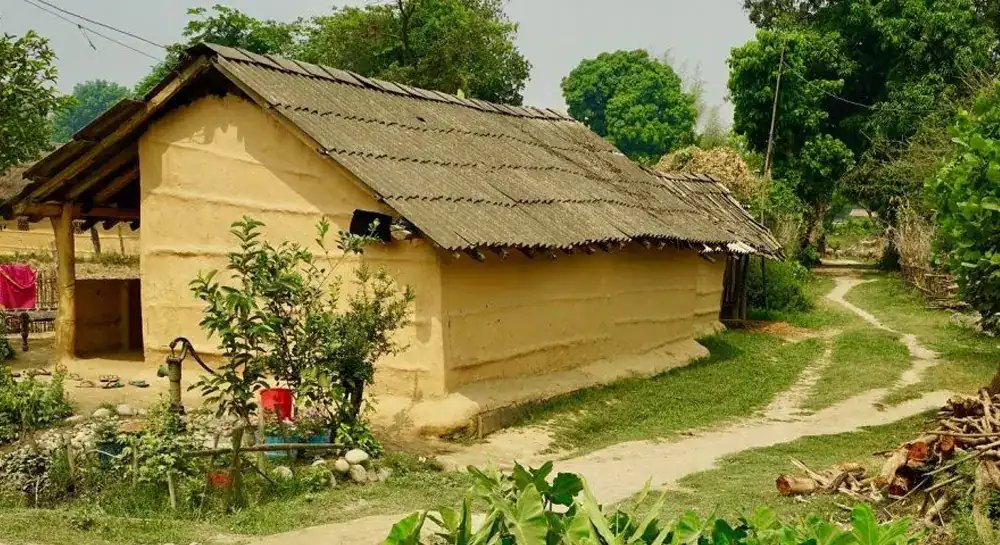
One property worth looking at specifically is Tharu Community Homestay Megauli in Chitwan, which sits on the edge of the park buffer zone and is run by a village cooperative. It offers the full board plus cultural program package and can arrange safari bookings directly.
A few things to confirm when booking:
Whether meals are included and what the kitchen can accommodate for dietary restrictions
Which activities are included vs separately priced
Transport from the nearest bus stop or airport to the village
Most Tharu homestays in Chitwan are accessible from Bharatpur Airport or Sauraha bus stop. Bardiya homestays are typically reached from Ambassa or Thakurdwara. Your host can arrange pickup if you let them know your arrival details in advance. For a broader look at travel times and routes from Kathmandu to different homestay regions across Nepal, the Kathmandu to village homestay travel times guide has region-by-region breakdowns.
Frequently Asked Questions
What is a Tharu community homestay?
A Tharu community homestay is accommodation run by an indigenous Tharu family or village cooperative in Nepal's southern Terai region. Guests stay in traditional homes, eat local food, and participate in village life and cultural activities. Income supports the community directly.
Where are the best Tharu community homestays in Nepal?
The main areas are Chitwan, Bardiya, and Dang. Chitwan is more accessible and better for first-time visitors. Bardiya offers a wilder, less touristed experience with stronger tiger sighting chances.
How much does a Tharu community homestay cost?
Room only starts from around NPR 800 per night. Full board with meals and cultural program runs NPR 2,000 to NPR 2,500 per person per night in Chitwan and slightly less in Bardiya. Safari and park entry fees are additional.
What food is served at a Tharu homestay?
Tharu families serve fresh home-cooked food including rice, lentils, vegetable curries, grilled or dried fish, dhikri, bagiya, and ghonghi (river snails). Meals are made from locally grown or caught ingredients.
What cultural activities can I do at a Tharu homestay?
Common activities include watching or joining the Tharu stick dance, basket weaving, Tharu wall painting, guided village walks, farming participation, and evening cultural programs organized by the community.
Is a Tharu homestay good for families?
Yes. Tharu villages are safe, peaceful, and genuinely welcoming to children. Kids enjoy the animals, open fields, cooking sessions, and the chance to play with village children.
What is the best time to visit a Tharu community homestay?
October to March is ideal. The weather is cool and dry, wildlife is easier to spot as vegetation thins out, and the roads are in good condition. Avoid June to August when monsoon rains make jungle access difficult.
How does staying at a Tharu homestay support the community?
Tharu community homestays operate on a shared income model. Revenue from accommodation and activities goes to village cooperatives, funding education, healthcare, women's groups, and cultural preservation programs.
Company Admin
Travel writer sharing authentic stories and experiences from Nepal's beautiful homestays.